Gardening enthusiasts often seek ways to enhance the growth and yield of their plants, particularly when it comes to zucchinis, which are known for their prolific production under the right conditions. Zucchinis thrive in nutrient-rich environments, and with a few strategic additions to your gardening routine, you can ensure a bountiful harvest that will keep your kitchen stocked with fresh produce all season long.
In this article, we will explore a variety of techniques and natural amendments that can be incorporated into your gardening practices to boost the health and productivity of your zucchini plants. From using common household items like rice and eggshells to implementing effective gardening strategies such as companion planting and crop rotation, these tips will help you cultivate a thriving zucchini patch.
1. The Secret Ingredient: Rice
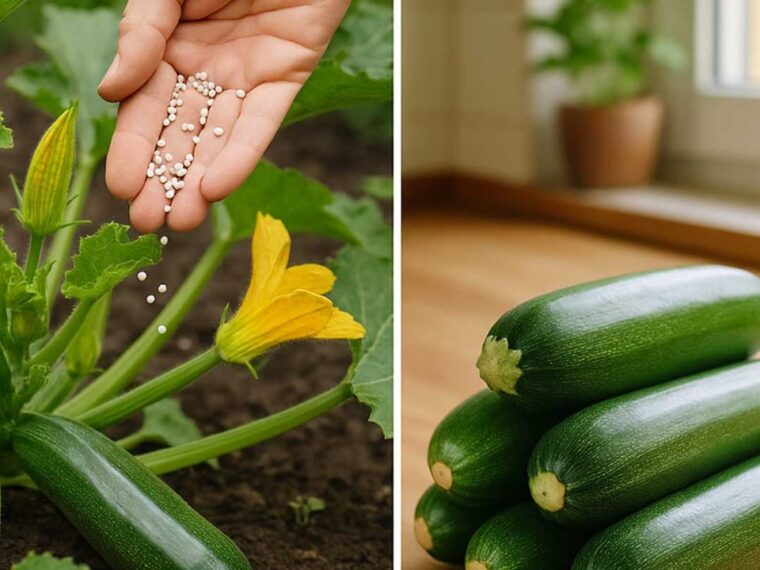
Rice is not just a staple in the kitchen; it can also be a secret weapon in the garden. When scattered under zucchini plants, rice acts as a slow-release fertilizer, providing essential nutrients such as nitrogen, phosphorus, and potassium. To use rice effectively, sprinkle approximately 1 cup of uncooked rice around the base of each zucchini plant. As the rice decomposes, it enriches the soil, promoting healthy root development and vigorous plant growth.
In addition to its nutrient content, rice can help improve soil structure by increasing its organic matter content. This enhances the soil’s ability to retain moisture and nutrients, creating an ideal environment for zucchini plants to thrive. For best results, incorporate rice into your soil at the beginning of the growing season and replenish it every few weeks to maintain nutrient levels.
2. Eggshells: A Nutrient Boost
Eggshells are an excellent source of calcium, a vital nutrient for zucchini plants that helps prevent blossom end rot, a common issue characterized by dark, sunken spots on the fruit. To prepare eggshells for use in the garden, rinse them thoroughly and allow them to dry. Once dry, crush the shells into small pieces or grind them into a fine powder using a food processor.
Scatter the crushed eggshells around the base of your zucchini plants, using about 1/4 cup per plant. As the eggshells break down, they release calcium into the soil, strengthening the plant’s cell walls and promoting healthy fruit development. Additionally, eggshells can help deter certain pests, such as slugs and snails, which are deterred by the sharp edges of the shells.
3. Coffee Grounds for Soil Enrichment
Used coffee grounds are a fantastic addition to your zucchini garden, as they provide a rich source of nitrogen, an essential nutrient for plant growth. To use coffee grounds, simply sprinkle them around the base of your zucchini plants, using about 1/2 cup per plant. The grounds will gradually decompose, releasing nitrogen into the soil and enhancing its fertility.
In addition to their nutrient content, coffee grounds can improve soil structure by increasing its organic matter content. This helps the soil retain moisture and nutrients more effectively, creating an optimal growing environment for zucchinis. Furthermore, coffee grounds can help deter pests such as ants and slugs, making them a valuable addition to your pest management strategy.
4. Companion Planting with Marigolds
Companion planting is a gardening technique that involves growing certain plants together to enhance growth and deter pests. Marigolds are an excellent companion for zucchinis, as they release natural compounds that repel nematodes, aphids, and other common garden pests. Plant marigolds around the perimeter of your zucchini patch, spacing them about 12 inches apart.
In addition to their pest-repelling properties, marigolds can attract beneficial insects such as ladybugs and hoverflies, which help control pest populations by feeding on aphids and other harmful insects. By incorporating marigolds into your garden, you can create a balanced ecosystem that supports the health and productivity of your zucchini plants.
5. Mulching for Moisture Retention
Mulching is a crucial practice for maintaining soil moisture and temperature, both of which are essential for healthy zucchini growth. Apply a 2-3 inch layer of organic mulch, such as straw, shredded leaves, or wood chips, around the base of your zucchini plants. This will help retain moisture, suppress weeds, and regulate soil temperature.
Mulching also contributes to soil health by gradually breaking down and adding organic matter to the soil. This improves soil structure and fertility, providing a nutrient-rich environment for your zucchini plants. Be sure to keep the mulch a few inches away from the plant stems to prevent rot and allow for proper air circulation.
6. The Benefits of Crop Rotation
Crop rotation is a practice that involves changing the location of your crops each growing season to prevent soil depletion and reduce the risk of disease. Zucchinis, like many other vegetables, are susceptible to soil-borne diseases and pests that can accumulate over time if the same crops are grown in the same location year after year.
To implement crop rotation, avoid planting zucchinis in the same spot for at least three years. Instead, rotate them with crops from different plant families, such as legumes or brassicas, which can help replenish soil nutrients and break pest and disease cycles. This practice not only enhances soil health but also promotes a more diverse and resilient garden ecosystem.
7. Proper Spacing for Optimal Growth
Proper spacing is essential for zucchini plants to receive adequate sunlight, air circulation, and nutrients. When planting zucchinis, space them about 24-36 inches apart in rows that are 3-4 feet apart. This allows each plant enough room to grow and spread without competing with its neighbors.
Ample spacing also helps reduce the risk of disease by improving air circulation around the plants, which can prevent the buildup of moisture and the spread of fungal infections. By giving your zucchinis the space they need, you can ensure they have the best possible conditions for healthy growth and abundant fruit production.
8. Watering Techniques for Zucchinis
Zucchinis require consistent moisture to thrive, but overwatering can lead to root rot and other issues. To strike the right balance, water your zucchini plants deeply once or twice a week, providing about 1-1.5 inches of water each time. This encourages deep root growth and helps the plants withstand dry spells.
Water zucchinis at the base of the plant to avoid wetting the foliage, which can promote fungal diseases. Early morning is the best time to water, as it allows any excess moisture on the leaves to evaporate quickly. By following these watering techniques, you can ensure your zucchini plants receive the hydration they need without risking disease.
9. Pest Control with Natural Remedies
Natural pest control methods can help protect your zucchini plants without the use of harmful chemicals. One effective remedy is neem oil, which can be sprayed on the leaves to deter aphids, whiteflies, and other common pests. Mix 2 tablespoons of neem oil with 1 gallon of water and apply it to the plants every 7-14 days.
Another natural pest control method is the use of diatomaceous earth, a fine powder that can be sprinkled around the base of the plants to deter slugs and snails. The sharp edges of the diatomaceous earth particles damage the exoskeletons of these pests, effectively controlling their populations. By using these natural remedies, you can protect your zucchini plants while maintaining a healthy garden ecosystem.
10. Pruning for Increased Yield
Pruning zucchini plants can help increase air circulation, reduce disease risk, and promote higher yields. Begin by removing any yellowing or damaged leaves, as well as any leaves that are shading the fruit. This allows more sunlight to reach the developing zucchinis and encourages better fruit production.
Additionally, prune any excess foliage that may be crowding the plant or restricting airflow. Be careful not to remove too many leaves, as they are essential for photosynthesis and overall plant health. By carefully pruning your zucchini plants, you can enhance their growth and ensure a more abundant harvest.
11. Harvesting Tips for Maximum Bounty
To maximize your zucchini harvest, it’s important to pick the fruits regularly and at the right size. Zucchinis are best harvested when they are about 6-8 inches long, as they are tender and flavorful at this stage. Use a sharp knife or pruning shears to cut the fruit from the plant, leaving a small portion of the stem attached.
Regular harvesting encourages the plant to produce more fruit, so check your plants every few days during the peak growing season. Be sure to handle the plants gently to avoid damaging the vines or leaves. By following these harvesting tips, you can enjoy a continuous supply of fresh zucchinis throughout the growing season.