Gardening is full of tricks passed down from grandparents, farmers, and old homesteaders who learned to work with nature using whatever they had on hand.
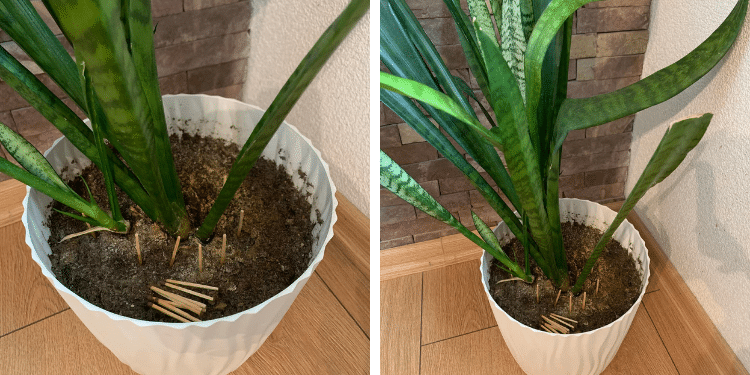
One of the most surprising of these old-fashioned remedies is the matchstick trick: simply scattering unused matchsticks in the soil or placing them point-down around the base of plants.
It may sound strange at first, but gardeners around the world swear by it – and science actually backs up several of the benefits.
1. Matchsticks Add Sulfur to the Soil – a Vital Nutrient Many Plants Lack
One of the main reasons gardeners use matchsticks in soil is because matches contain sulfur, a mineral that plants need for healthy growth. Sulfur plays a key role in:
- Chlorophyll formation
- Disease resistance
- Root development
- Enzyme function
- Nutrient absorption
- Flavor improvement in crops like onions, garlic, cabbage, and broccoli
Plants that lack sulfur often look sickly or pale, very similar to nitrogen deficiency. Leaves turn yellow between veins, new growth becomes weak, and the plant becomes more susceptible to pests and disease.
When matchsticks are placed in the soil and exposed to moisture, the sulfur in their tips slowly breaks down and becomes available to plant roots.
This gentle, slow release can help correct mild sulfur deficiencies naturally – especially in container gardens where nutrients wash out quickly.
This is one of the reasons gardeners often put matchsticks into:
- Tomato soil
- Pepper containers
- Potted herbs
- Houseplants
- Cabbage and broccoli beds
- Onion and garlic rows
These plants greatly benefit from sulfur in the root zone.
2. Matchsticks Help Fix Yellowing Leaves in Houseplants
Many people use matchsticks as a quick fix for yellowing leaves, particularly in indoor plants where soil nutrients are limited and watering flushes minerals away over time.
The sulfur and phosphorus in match heads can help resolve:
- Pale, yellowing new leaves
- Slow or stunted growth
- Weak stems
- Leaf drop due to nutrient depletion
- Pale or washed-out foliage
While matchsticks won’t fix severe nutrient imbalance, they can help restore color and vitality when a plant simply lacks trace minerals.
Many houseplant owners report that within a few weeks of adding matchsticks, their plants appear greener and more vibrant.
3. They Help Deter Soil Pests Like Fungus Gnats and Ants
One of the biggest hidden benefits of scattering matchsticks in the soil is their ability to repel soft-bodied pests. The smell and breakdown of sulfur are unpleasant for many insects, particularly pests that thrive in moist soil.
Gardeners use matchsticks to repel:
- Fungus gnats
- Ants
- Aphids
- Soil mites
- Whiteflies
- Slugs and snails (around outdoor pots)
Fungus gnats are especially common in overwatered houseplants, often laying eggs in damp soil. When matchsticks are placed in the soil, sulfur helps make the environment less attractive for egg-laying and can interrupt the pest life cycle.
Sulfur has long been recognized as a natural pest repellent and is used in many organic gardening sprays and powders. Using matchsticks is simply an old-fashioned way to apply a similar concept on a smaller scale.
4. They Provide a Slow, Gentle Boost of Phosphorus
In addition to sulfur, match heads contain small amounts of phosphorus – another essential nutrient for plant health. Phosphorus supports:
- Flower production
- Strong root growth
- Fruit formation
- Seed development
If your plants are struggling to bloom, producing small fruits, or growing slowly, phosphorus might be the missing element.
A few matchsticks won’t replace proper fertilization, but they can supplement phosphorus levels in nutrient-poor soil.
Tomatoes, peppers, flowering houseplants, and fruiting plants particularly appreciate extra phosphorus, making the matchstick trick especially effective around these crops.
5. They Improve Soil Aroma and Discourage Mold Growth
Gardeners have also noticed that matchsticks help reduce musty, moldy smells in overwatered soil. This is because sulfur inhibits fungal growth. While matchsticks won’t cure severe mold problems, they can:
- Reduce surface mold
- Freshen soil in humid homes
- Lower the risk of fungal spread
- Improve aeration as wooden sticks slowly decompose
This gentle antifungal effect makes matchsticks helpful for:
- Overwatered pots
- Plants kept in dark corners
- Seed-starting trays that tend to mold
- Humid indoor environments
The matchsticks don’t sterilize the soil, but they can slow fungal growth enough to give the plant a healthier environment.
Bonus: Matchsticks Help You Diagnose Soil Moisture Problems
When stuck into the soil point-down, matchsticks act like moisture indicators. Many gardeners use them the same way they use wooden skewers.
If the wood tip turns dark or soggy, the soil is too wet. If it stays dry and clean, it’s time to water.
This simple test helps prevent one of the biggest killers of houseplants: overwatering.
How to Use Matchsticks in Soil
The method is incredibly simple and takes only a few seconds.
For potted plants:
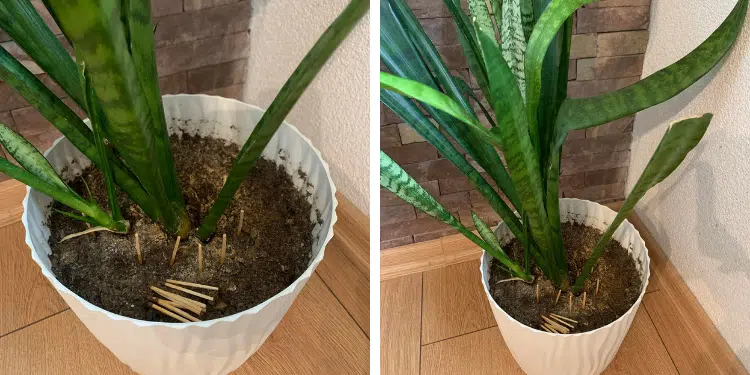
Insert 3–6 matchsticks into the soil with the sulfur tip pointing down, depending on pot size.
For large outdoor plants:
Scatter 10–12 matchsticks around the base of the plant or push them into the soil evenly spaced.
For seed trays:
Use only a few broken match heads, lightly mixed into the soil surface.
For pest control:
Place matchsticks around the rim of pots or in the top 2–3 cm of soil.
They break down slowly and can be replaced every 2–3 months.
Common Myths About the Matchstick Trick
Because this hack has been passed down for generations, a few myths have formed around it.
Myth 1: Matchsticks can replace fertilizer
They can’t. They add trace minerals but not enough macronutrients for long-term growth.
Myth 2: Matches burn roots
Unused matchsticks do not burn plant roots. They decompose slowly and gently.
Myth 3: Matchsticks acidify soil
The effect on pH is minimal. They are safe for most plants, including vegetables.
Myth 4: You must light the match first
Do not light the match. Used, burnt matches offer almost no benefit.
Which Plants Benefit Most?
Although almost any plant can benefit mildly from sulfur and phosphorus, matchsticks are especially useful around:
- Tomatoes
- Peppers
- Eggplants
- Roses
- Citrus trees
- Herbs
- Blueberries
- Potted houseplants
- Cabbage family crops (broccoli, cauliflower, kale)
- Garlic and onions
Plants suffering from yellowing leaves, fungal problems, and pest issues see the fastest improvement.
Are Matchsticks Safe for Plants?
Yes – when used in moderation. The wooden body decomposes like any organic material, and the match head contains very small amounts of sulfur and phosphorus that release slowly.
Avoid overloading the soil; a few matchsticks go a long way.
The only caution is for extremely sensitive seedlings or hydroponic systems – where you should avoid supplementing with matchsticks altogether.
Scattering matchsticks around your plants might sound like folklore, but the benefits are rooted in science.