Most people know rosemary as a delicious culinary herb… but few realize how powerful it can be in the garden.
Fresh or dried, rosemary contains natural oils and compounds that work like nature’s own pesticides and soil boosters. And the best part?
You don’t need to grow rosemary – just scattering the dried herb you already have in your pantry can completely transform the health of your garden.
If you’re looking for an inexpensive, organic trick to protect your plants, repel pests, and boost soil health, dried rosemary is about to become your new secret weapon.
Why Rosemary Works So Well in the Garden
Rosemary isn’t just aromatic – it’s chemically powerful. Its leaves contain high levels of:
- Camphor
- Cineole
- Rosmarinic acid
- Essential oils
- Antioxidants
These compounds create a natural defense system that repels insects, disrupts their reproductive cycles, reduces fungal spread, and even protects soil life.
Unlike synthetic pesticides, rosemary does all of this without harming beneficial insects like bees, butterflies, and ladybugs.
Whether you’re growing vegetables, herbs, ornamentals, or houseplants, dried rosemary is one of the easiest all-around protectors you can add to your garden.
1. Rosemary Repels Pests That Destroy Crops
Sprinkling dried rosemary around your plants creates a natural pest-repelling barrier. Its strong aroma and essential oils are especially effective against:
- Aphids
- Cabbage moths
- House flies
- Carrot flies
- Mosquitoes
- Spider mites
- Whiteflies
- Tomato hornworms
- Slugs (smell deters feeding)
- Some species of beetles
Because rosemary is so strongly scented, insects avoid it instinctively. They can sense its antibacterial and antifungal compounds and will refuse to lay eggs or feed near it.
How to Use It:
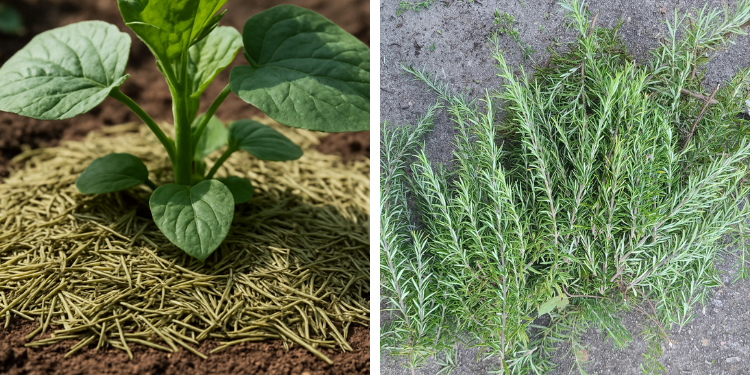
Just crumble dried rosemary around the base of plants, on top of soil, or along garden borders. Reapply every few weeks or after rain.
This simple step alone can dramatically reduce pest problems – especially on tender plants like lettuce, cabbage, tomatoes, and peppers.
2. It Helps Prevent Fungal Disease and Rot
Dried rosemary still contains antimicrobial oils that inhibit fungal growth. If you struggle with issues like:
- Powdery mildew
- Root rot
- Damping off in seedlings
- Botrytis (gray mold)
- Leaf spot
- Early plant decline
…rosemary can help break the cycle before it spreads.
Unlike chemical fungicides that kill everything – including beneficial microbes – rosemary suppresses harmful fungi while allowing beneficial bacteria to thrive in the soil.
Best Use:
Sprinkle dried rosemary at the base of plants or brew a rosemary tea spray by steeping dried rosemary in boiling water, then allow it to cool and spray it on leaves.
This trick is especially useful for cucumbers, squash, tomatoes, roses, beans, and houseplants prone to mold.
3. Rosemary Drives Away Ants & Their Harmful Partners
Ants aren’t always the problem – but they “farm” aphids and scale insects by protecting them and using their honeydew as food. If you eliminate the ants, the aphid population becomes easier to control.
The strong scent and essential oils in rosemary confuse the ant trail and disrupt communication between colonies.
How to Use It:
Scatter dried rosemary along:
- Entry points
- Garden beds
- Base of fruit trees
- Container rims
- Cracks & walkways
Reapply after rain for continuous protection.
Your fruit trees, berry bushes, and leafy greens will thank you.
4. Rosemary Masks Plant Smells from Predators
Some pests track plants by scent – especially cabbage worms, carrot flies, and tomato pests. Rosemary acts as a scent barrier that confuses them.
Think of it as camouflaging your plants. Instead of smelling a cabbage, the pest only smells rosemary and moves on.
This is one of the biggest reasons rosemary works well when sprinkled:
- In vegetable rows
- Around root crops
- In new raised beds
- Around seedlings
This natural scent masking is extremely valuable when your crops are at their most vulnerable.
5. Dried Rosemary Enriches Soil & Helps Beneficial Microbes
When dried rosemary breaks down, it slowly releases trace minerals and organic compounds back into the soil.
As a mild slow-release amendment it:
- Improves soil structure
- Adds organic matter
- Supports beneficial microbes
- Helps suppress harmful bacteria while boosting good bacteria
- Lightly raises soil pH (great for acidic or compact soil)
- Helps repel soil-dwelling pests like fungus gnats
Think of it like adding a micro-dose of protective herbal compost.
Where to Use:
- Seedling soil
- Compost piles
- Near root zones
- Top dressing for containers
- Around herbs, veggies & flowers
Even after its scent fades, rosemary continues to feed and protect the soil ecosystem.
BONUS: Rosemary Protects Stored Harvests Too
If you dry your own garlic, grains, beans, or seeds, storing them with dried rosemary prevents:
- Weevils
- Moths
- Pantry bugs
- Mold growth
Traditional farmers have used rosemary this way for centuries – and it still works just as well today.
Put a handful of dried rosemary in a cloth pouch and store it near your harvested crops.
How to Use Dried Rosemary in Your Garden (Quick Guide)
Sprinkle It Dry
Crush lightly so the oils release and scatter around plant bases or soil surface.
Add It to Compost
Improves microbial activity and discourages pests.
Make Rosemary Spray
Steep 1–2 cups dried rosemary in boiling water → cool → strain → spray on leaves.
Spread Around Borders
Creates a pest wall around beds and greenhouse entrances.
Mix Into Potting Soil
Especially for indoor plants prone to fungus gnats.
How Often to Apply
- Every 2–4 weeks during growing season
- After heavy rain
- After watering in container gardens
- Anytime you replant or refresh soil
You don’t need a large amount – a tablespoon or two per plant is usually enough.
Fresh vs. Dried Rosemary: Which Is Better?
Both work – but dried rosemary is more concentrated because water has evaporated, leaving behind stronger aromatic oils.
Dried rosemary lasts longer and can be stored for months in a jar. It also crumbles more easily and spreads finer across the soil.
So if you don’t grow rosemary yet, dried rosemary from the kitchen is perfect.
Plants That Benefit Most From Rosemary Scatter
This method is especially helpful for:
- Tomatoes
- Peppers
- Cabbage family crops
- Basil
- Beans
- Lettuce
- Kale
- Cucumbers
- Strawberries
- Squash
- Roses
- Citrus trees
- Houseplants
- Seedlings and young plants
Frequently Asked Questions
Can I use powdered rosemary?
Yes – powdered rosemary works the same but may break down faster. It’s great for seedlings.
Will it harm earthworms or pollinators?
No. Rosemary only affects pests that chew or suck sap. Pollinators are safe.
Can I mix rosemary with other herbs?
Absolutely. It pairs well with mint, basil, thyme, sage, lavender, and bay leaves.
Dried rosemary might not look powerful – but the compounds inside it are potent.
Instead of relying on chemical sprays, you can use something natural, safe, and already sitting in your spice cabinet.