Rosemary is one of the most beloved herbs in the world – prized for its fragrance, healing properties, and rich history stretching back thousands of years.
Most people grow rosemary in pots, kitchen gardens, or herb beds, but there’s an old tradition that recommends planting rosemary along the fence line of a home.
At first it may sound symbolic, even mystical – but this practice has both cultural meaning and practical benefits.
From ancient Mediterranean villages to early European homesteads, families planted rosemary around boundaries, gates, and fences for protection, purification, and good fortune.
Today, gardeners are rediscovering this old custom not just for its folklore, but for the remarkable gardening benefits rosemary provides when planted along fences or property edges.
Here’s the real reason behind this timeless practice – and why planting rosemary around your fence line is more powerful than you might think.
Rosemary’s Deep History: A Plant of Protection and Memory
Long before modern gardening trends existed, rosemary was considered a sacred plant. Its rich scent and evergreen nature symbolized strength, loyalty, and remembrance.
Ancient cultures believed rosemary protected the home from both physical and spiritual harm.
Across different traditions, rosemary was used to:
- keep negative energy away
- protect homes from illness
- guard entrances and property boundaries
- honor ancestors
- symbolize loyalty, love, and remembrance
Because fences marked the edge of personal land, people planted rosemary around them as a living shield – a protective herb that watched over the home.
This custom became deeply rooted in Mediterranean, Greek, Roman, Celtic, and later European folklore.
But beyond symbolism, rosemary offers practical, biological benefits that make it perfect for boundary planting.
1. Rosemary Helps Repel Pests Naturally
One of the strongest practical reasons to plant rosemary along fence lines is its ability to repel unwanted pests. Rosemary releases aromatic oils that many insects dislike.
Planting rosemary creates a fragrant, protective barrier that helps keep away:
- mosquitoes
- ticks
- flies
- beetles
- cabbage moths
- carrot flies
- tomato hornworms
The fence line becomes a natural shield that prevents pests from entering garden beds and outdoor living spaces.
The scent lingers on warm days and travels with breezes – making it an excellent first line of defense around the perimeter of your property.
2. It Deters Small Animals From Entering Your Yard
Small animals rely heavily on smell to detect food sources. Rosemary’s strong, pine-like aroma creates a sensory wall that many creatures avoid.
Rosemary is known to deter:
- rabbits
- squirrels
- deer (especially when combined with other herbs)
- voles
- groundhogs
When planted along the fence, rosemary masks garden scents such as vegetables or tender flowers that usually attract hungry wildlife.
This helps reduce nibbling damage, digging, and plant destruction – all without harmful chemicals.
3. Rosemary Attracts Beneficial Pollinators
While pests dislike rosemary’s scent, beneficial insects absolutely love it. Rosemary flowers produce nectar that attracts:
- honeybees
- native bees
- butterflies
- hoverflies
- ladybugs
By lining your fence with rosemary, you create a pollinator corridor – a steady source of nectar that supports the ecosystem and improves pollination in your vegetable garden.
This results in:
- better fruit set
- larger harvests
- healthier garden biodiversity
Rosemary blooms for long periods, giving pollinators consistent food throughout the season.
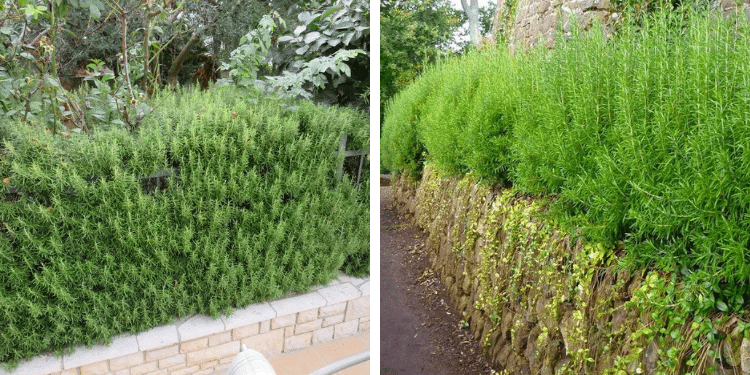
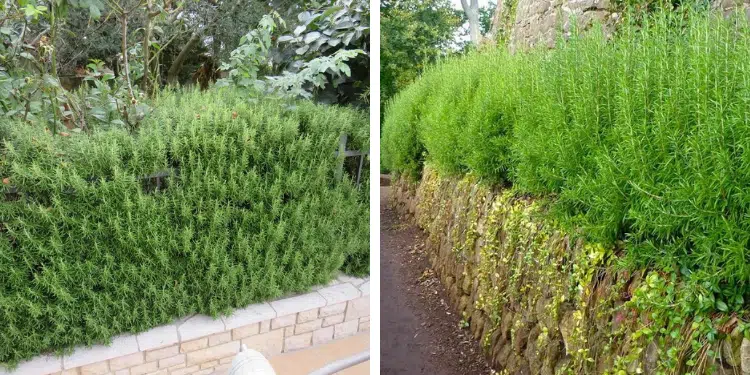
4. It Creates a Beautiful, Evergreen Border
Rosemary is evergreen, meaning it stays lush, green, and full all year long. When grown along a fence, it creates a natural living border that adds beauty and structure.
Benefits include:
- year-round greenery
- fragrant foliage
- seasonal blue or purple flowers
- neat, sculpted shape with simple pruning
- visual softness along wooden or metal fences
Some rosemary varieties even grow tall enough to create a hedge effect, adding privacy and charm.
5. Rosemary Helps Prevent Erosion Around Fences
Fence lines often suffer from soil erosion due to wind, water runoff, or poor topsoil. Rosemary’s robust root system helps stabilize soil naturally.
Rosemary roots:
- anchor the soil
- prevent washouts
- maintain structure on slopes
- improve overall soil quality over time
If your fence sits on uneven ground or near a slope, rosemary is one of the best plants to help hold everything together.
6. It Acts as a Wind Barrier for Delicate Plants
Because rosemary grows dense and bushy, planting it along a fence creates a natural windbreak. This protects fragile plants inside your garden, especially in areas with harsh winds.
A rosemary border helps:
- reduce wind stress
- slow down soil drying
- prevent broken stems
- shield young seedlings
- maintain warmer microclimates
This is particularly beneficial in vegetable gardens or flower beds that need gentler environments.
7. Rosemary Improves Air Quality Around Your Home
Rosemary releases aromatic oils that not only smell incredible but also help purify the air. This creates a cleaner, more fragrant garden environment.
Its scent helps:
- reduce airborne bacteria
- refresh stale air
- add natural aromatherapy to your outdoor spaces
- create a calming, uplifting atmosphere
Walking along a rosemary-lined fence is like entering a natural outdoor spa.
8. Rosemary Is Extremely Low-Maintenance
Few plants offer so many benefits with so little care. Rosemary thrives with minimal attention and is perfect for fence lines that tend to be neglected.
Rosemary is:
- drought-tolerant
- heat-loving
- hardy in poor soil
- resistant to many diseases
- long-lived when established
Once planted, rosemary grows steadily for years with just occasional pruning.
9. It Creates a Natural Herb Supply for Your Kitchen
Having rosemary along the fence means you’ll always have fresh sprigs for cooking. This herb enhances dozens of dishes:
- roasted vegetables
- chicken and lamb
- stews and soups
- potatoes
- homemade bread
- infused oils
You get a constant supply of a flavorful, aromatic herb right at your fingertips.
10. Rosemary Carries Symbolic Protection in Modern Homes Too
Even today, many people appreciate the traditional meaning behind rosemary. Planting it along a fence can bring:
- a sense of grounding
- continuity with ancient wisdom
- a symbolic “protective line” around the home
- a deeper spiritual connection to your garden
Whether you appreciate folklore or simply love the idea of a home protected by nature, rosemary still holds powerful symbolic charm.
How to Plant Rosemary Along Your Fence Line
Planting rosemary is simple, but a few tips help ensure strong growth.
Choose the right variety:
- Upright rosemary (grows taller, good for fences)
- Tuscan blue rosemary (very hardy and fragrant)
- Blue spires rosemary (excellent vertical habit)
Plant spacing:
- space plants 2 to 3 feet apart
- give them room to grow wide and tall
- create an unbroken fragrant border over time
Soil and sunlight:
- rosemary loves full sun
- prefers well-draining soil
- thrives in rocky or sandy areas
Watering:
- water newly planted rosemary deeply for the first few weeks
- once established, water sparingly
Pruning:
- prune lightly to shape
- avoid cutting into woody stems
- encourage bushier growth
With a little care, your rosemary fence can last a decade or more.
Planting rosemary along your fence line may seem like a charming old tradition – and it is – but it’s also a powerful gardening strategy with real practical benefits.