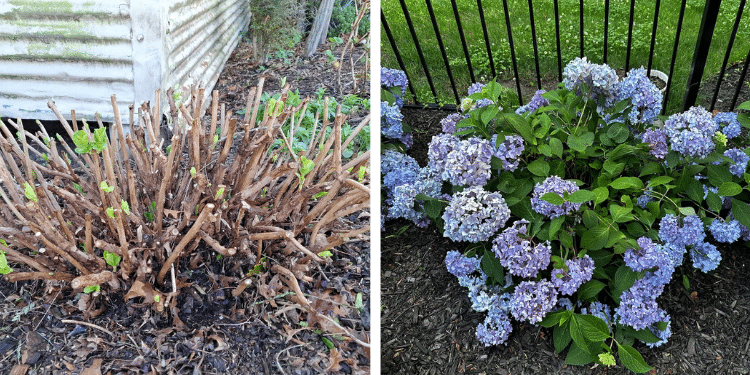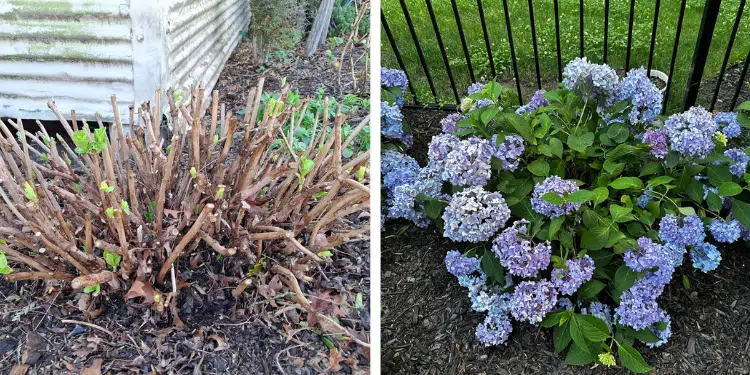
Hydrangeas are one of the most beloved flowering shrubs in home gardens, yet they are also one of the most misunderstood when it comes to pruning.
Every year, countless gardeners accidentally remove all their future blooms with a single well-intentioned winter trim.
The mistake usually comes down to one simple misunderstanding: not all hydrangeas bloom on the same type of wood.
Some hydrangeas form their flower buds on old growth from the previous year. Others bloom on new growth that hasn’t even appeared yet.
Prune the wrong type at the wrong time, and you won’t see a single flower that season.
If you prune hydrangeas before March, it can be one of the best things you do for their health and flowering – but only for specific types.
Why Timing Matters So Much With Hydrangeas
Hydrangeas set their flower buds either:
• On old wood (last year’s growth)
• On new wood (this year’s growth)
If a hydrangea blooms on old wood and you prune it in late winter, you remove the flower buds that were formed the previous summer and fall. The plant may grow leaves just fine in spring, but it won’t bloom.
If a hydrangea blooms on new wood, pruning in late winter actually improves flowering. It forces fresh shoots to grow, and those new shoots carry the blooms.
This is why hydrangea pruning advice often sounds contradictory. The rules change depending on the species.
Hydrangeas You Should Prune Before March
These hydrangeas bloom on new wood, meaning they form flower buds on fresh spring growth. Late-winter pruning won’t remove blooms. In fact, it usually increases them.
1. Panicle Hydrangeas (Hydrangea paniculata)
This is one of the safest hydrangeas to prune before March.
Popular varieties include:
• ‘Limelight’
• ‘Pinky Winky’
• ‘Little Lime’
• ‘Vanilla Strawberry’
Panicle hydrangeas bloom on new growth and produce their large cone-shaped flowers in summer.
Why late winter pruning works:
Pruning while the plant is dormant stimulates strong, upright shoots that hold heavy flower heads without flopping.
How to prune:
Remove dead wood first. Then reduce last year’s growth by about one-third to one-half. Shape the plant and thin crowded branches.
2. Smooth Hydrangeas (Hydrangea arborescens)
This group includes the famous ‘Annabelle’ hydrangea.
Smooth hydrangeas bloom entirely on new wood and respond beautifully to hard pruning.
Why late winter pruning works:
Cutting them back encourages thicker stems and larger flower clusters.
How to prune:
Cut back to 12–18 inches tall. For even stronger stems, leave 18–24 inches instead of cutting all the way to the ground.
3. Mountain Hydrangeas (Some Varieties)
Some newer mountain hydrangea cultivars bloom on both old and new wood.
These hybrids are more forgiving and can be lightly pruned in late winter without losing all blooms.
How to prune:
Remove dead wood and lightly shape the plant. Avoid heavy pruning unless you know the specific variety blooms on new wood.
Hydrangeas You Should Not Prune Before March
These hydrangeas bloom primarily on old wood. If you prune them in late winter, you remove the flower buds and lose an entire season of blooms.
1. Bigleaf Hydrangeas (Hydrangea macrophylla)
These are the classic blue and pink mophead hydrangeas.
Most traditional varieties bloom on old wood.
Why winter pruning ruins blooms:
The buds that become flowers were formed the previous summer. Cutting branches in late winter removes those buds.
What to do instead:
Only remove dead wood in late winter. Do major pruning immediately after flowering in summer.
2. Lacecap Hydrangeas
These are a subtype of bigleaf hydrangeas with flatter, lace-like flowers.
They follow the same rule: they bloom on old wood.
What to do instead:
Do not prune before March. Prune only after flowering if needed.
3. Oakleaf Hydrangeas (Hydrangea quercifolia)
Oakleaf hydrangeas bloom on old wood and set their buds the year before.
They rarely need pruning at all.
Why winter pruning is harmful:
You remove next season’s flowers.
What to do instead:
Only remove dead or damaged branches. Do any shaping right after flowering.
Why Newer “Reblooming” Hydrangeas Are Confusing
Some modern hydrangea varieties are marketed as reblooming or “blooming on old and new wood.”
These include many Endless Summer–type hydrangeas.
These plants can bloom even if winter buds are damaged, but heavy pruning before March still reduces flowering dramatically.
Best approach:
Treat reblooming hydrangeas like old-wood bloomers. Avoid late-winter pruning unless you’re only removing dead wood.
The One Rule That Prevents Bloom Loss
Before pruning any hydrangea, ask:
Does this variety bloom on new wood or old wood?
If it blooms on new wood:
Late winter pruning is safe and beneficial.
If it blooms on old wood:
Late winter pruning removes your flowers.
When in doubt, don’t prune before March.
Why Late-Winter Pruning Helps the Right Hydrangeas
For panicle and smooth hydrangeas, late-winter pruning:
• Stimulates strong spring growth
• Improves flower size and number
• Prevents floppy stems
• Improves airflow and light
• Reduces disease risk
• Maintains shape and size
These benefits don’t apply to old-wood bloomers because their buds are already formed.
The Biggest Hydrangea Pruning Mistake
The most common mistake is pruning all hydrangeas at the same time.
Gardeners often cut everything back in late winter, thinking they’re helping.
For old-wood hydrangeas, this guarantees a flowerless season.
Signs It’s Safe to Prune Before March
You can safely prune hydrangeas that bloom on new wood when:
• The plant is dormant
• Buds haven’t started swelling heavily
• No extreme cold is expected immediately after pruning
Avoid pruning during hard freezes.
What Happens If You Skip Pruning New-Wood Hydrangeas
If you don’t prune panicle or smooth hydrangeas:
• Growth becomes weak and leggy
• Flowering decreases
• Plants become top-heavy
• Blooms appear only at branch tips
Late-winter pruning resets the plant for a stronger growing season.
Tools and Technique Matter
- Always use sharp, clean pruners.
- Make cuts just above a healthy bud.
- Remove dead, damaged, and crossing branches first.
- Never tear or crush stems.
- Disinfect tools between plants.
Why Weather Matters
Pruning during warm spells followed by hard freezes can damage fresh cuts.
Wait until late winter when the worst cold has passed but growth hasn’t started yet.
Pruning hydrangeas before March can be one of the best things you do for your garden – or the worst.
It all depends on the type of hydrangea you have.