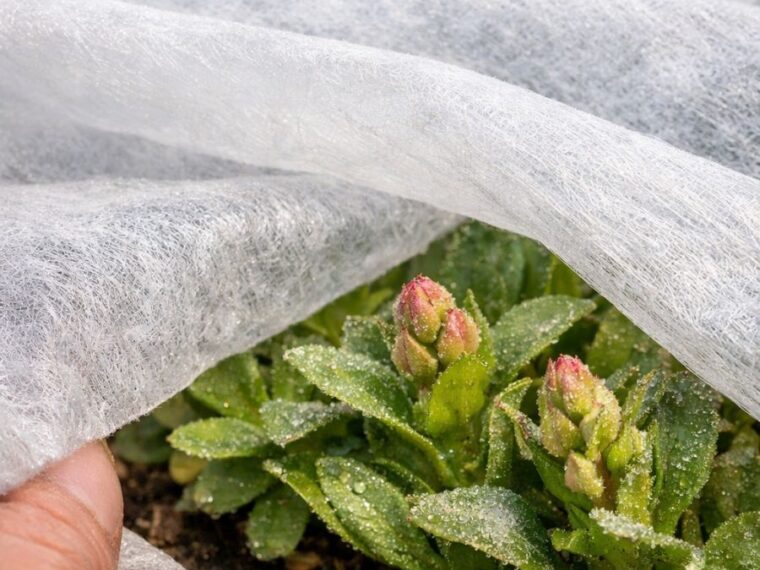
Gardening can be both a rewarding and challenging endeavor, especially when unexpected weather changes threaten to damage your plants. One of the most common challenges gardeners face is protecting tender buds from surprise frosts, which can occur unexpectedly in early spring or late autumn. These frosts can wreak havoc on young plants, causing damage that can hinder their growth or even kill them if left unprotected.
Fortunately, there are various simple and effective methods to shield your plants from frost damage. In this article, we will explore different types of covers that can be used to protect your tender buds from surprise frosts. Whether you’re a seasoned gardener or a beginner, these tips will help you safeguard your garden and ensure that your plants thrive despite unpredictable weather.
1. Why Frost Threatens Tender Buds Overnight
Frost occurs when the temperature drops to 32°F (0°C) or below, causing ice crystals to form on exposed surfaces, including plant leaves and buds. These ice crystals can damage plant cells, leading to wilting and browning of foliage. Tender buds are particularly vulnerable because they are in the early stages of development and have not yet built up the protective layers of more mature plant parts.
When frost forms on these buds, it can cause cellular damage that interrupts the plant’s growth cycle. The water inside the plant cells freezes, expanding and causing the cell walls to rupture. This not only affects the appearance of the plant but can also impede its ability to photosynthesize, resulting in stunted growth or even death. Therefore, it is crucial for gardeners to take preventative measures to protect their plants during periods of frost risk.
2. When To Expect Surprise Frosts In Your Garden
Surprise frosts are most likely to occur during transitional seasons, specifically in early spring and late autumn, when daytime temperatures can be warm, but nighttime temperatures can plummet unexpectedly. The risk is higher in areas with a continental climate, where temperature fluctuations are more pronounced.
To anticipate frost, gardeners should keep an eye on local weather forecasts, particularly the nighttime lows. A sudden drop in temperature to near freezing levels, coupled with clear skies and calm winds, is a typical precursor to frost. Additionally, gardeners can use tools like frost blankets or thermal covers preemptively when a frost advisory is issued.
3. Using Old Bedsheets And Tablecloths As Instant Frost Covers
Old bedsheets and tablecloths are excellent materials for creating makeshift frost covers. These items are readily available in most households and can be quickly deployed when a frost warning is issued. Simply drape the fabric over the plants, ensuring it extends all the way to the ground to trap the heat radiating from the soil.
It’s important to secure the edges with rocks or stakes to prevent the covers from blowing away in the wind. This method is most effective for low-growing plants and shrubs, as the fabric should not directly touch the foliage to avoid frost damage through contact.
4. Protecting Buds With Buckets, Bins, And Upturned Pots
Buckets, bins, and upturned pots can serve as protective covers for individual plants or small clusters. These containers create a barrier against frost by trapping warm air from the soil around the plants. Use containers made of materials like plastic or metal, as they provide better insulation.
When placing these covers, ensure that they completely enclose the plant without pressing on any foliage. Weigh down the edges with rocks or sandbags to prevent them from being moved by wind. Remember to remove them in the morning once the temperature rises to prevent overheating.
5. DIY Cloche Covers From Recycled Bottles And Jugs
To make your own cloche covers, you can use recycled plastic bottles and jugs, which are perfect for protecting individual plants. Cut the bottom off a large plastic bottle or jug and place it over the plant, pushing the cut edge slightly into the soil to secure it.
These DIY cloches act as mini-greenhouses, trapping heat and moisture around the plant. They are particularly useful for smaller seedlings and can be easily adjusted as the plant grows by removing the bottle cap to allow ventilation.
6. Building Simple Frame Tents With Stakes And Plastic
For larger areas or more delicate plants, constructing simple frame tents using stakes and plastic sheeting can provide effective frost protection. Insert stakes around the perimeter of the plant bed and drape clear plastic sheeting over them, securing the edges to the ground.
This creates a barrier that protects plants from frost while allowing light to penetrate. Ensure that the plastic does not touch the plants directly, as it can transfer the cold and cause damage. Provide ventilation during the day by lifting the sides of the plastic when temperatures rise.
7. Floating Row Covers For Ongoing Spring Frost Protection
Floating row covers are lightweight fabric sheets designed to be laid directly over plants, providing a layer of protection without the need for a frame. These covers allow air, light, and water to pass through while insulating the plants against cold temperatures.
They are ideal for use in spring when frosts are frequent but not severe. The covers are held in place by burying the edges in soil or using landscape pins. Since they are permeable, they can remain in place for extended periods, providing ongoing protection as plants grow.
8. Insulating Buds With Cardboard Boxes And Newspaper
Cardboard boxes and newspaper can provide temporary frost protection by creating an insulating layer around plants. Place a box over the plant and weigh it down with a stone or brick. For added insulation, line the box with crumpled newspaper.
This method is particularly useful for small plants and seedlings. It is important to remove these covers early in the morning to allow sunlight to reach the plants and prevent overheating, especially as temperatures rise during the day.
9. Anchoring And Ventilating Covers So Plants Don’t Overheat
Proper anchoring and ventilation are crucial to ensuring that frost covers are effective and do not harm the plants. Use stakes, rocks, or sandbags to secure the covers tightly to the ground, preventing them from being blown away by wind.
Ventilation is essential during the day to prevent the buildup of heat and moisture under the covers. Open the covers or lift them slightly during the day to allow air circulation and reduce the risk of fungal diseases. Always monitor temperature changes to adjust the covers as needed.
10. Morning-After Care: Removing Covers And Checking Damage
Once the frost threat has passed, usually by mid-morning, it’s important to remove the covers to allow plants to receive sunlight and fresh air. Carefully lift the covers to avoid damaging the plants, particularly if frost has caused any brittleness.
After removing the covers, inspect the plants for any signs of frost damage, such as blackened leaves or wilted buds. Prune any damaged parts to prevent disease and encourage healthy growth. Keep an eye on the weather forecast for any further frost warnings and be prepared to cover the plants again if necessary.
11. Smart Storage And Prep So Frost Covers Are Always Ready
To ensure that you are always prepared for a surprise frost, store your frost protection materials in an easily accessible location. Keep items like bedsheets, plastic bottles, and stakes organized in a storage bin or garden shed.
Having these materials ready and within reach will allow you to quickly cover your plants when a frost warning is issued. Additionally, check your supplies periodically to ensure they are in good condition and replace any worn or damaged items. Being prepared will help you protect your garden effectively with minimal stress.