As winter approaches, indoor conditions change dramatically for both humans and houseplants. Dry air from heaters and closed windows can cause your home’s indoor humidity levels to plummet, often reaching as low as 10% to 20%. This is a stark contrast to the ideal humidity levels of 40% to 60% that many tropical houseplants thrive in. For plant enthusiasts, maintaining optimal conditions for their green companions can pose a significant challenge.
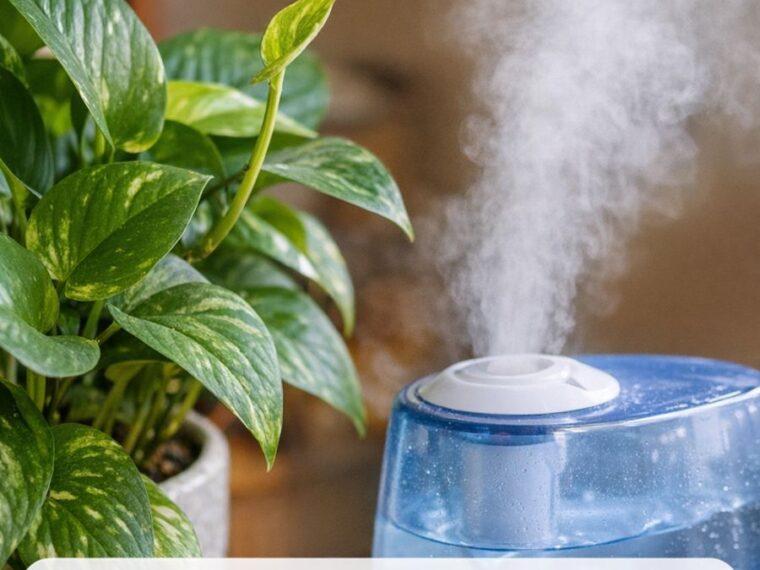
One effective solution to counteract the effects of dry indoor air in winter is the use of a humidifier. By placing your plants near a humidifier, you can create a more hospitable environment that mimics their natural habitat. Here are ten ways this simple adjustment can positively affect the health and appearance of your plant leaves during the cold months.
1. How Winter Air Dries Out Houseplants
During the winter months, the air inside our homes becomes significantly drier. This is primarily due to the use of heating systems that strip moisture from the air. For example, a central heating system can reduce indoor humidity to levels as low as 10% to 20%, which is far below the 40% to 60% that is ideal for most houseplants. This dry air can lead to increased evaporation of moisture from the leaves, a process known as transpiration, which in excess can cause plants to suffer from dehydration.
Without adequate humidity, the stomata (tiny openings on the leaves) close to conserve water, thus reducing the plant’s ability to photosynthesize effectively. Over time, this can lead to wilting, leaf drop, and even plant death if not addressed. Therefore, understanding the drying effects of winter air is crucial for maintaining healthy houseplants.
2. Humidifiers Reduce Leaf Water Loss and Wilting
Using a humidifier can help maintain a stable humidity level around your plants, significantly reducing the rate of water loss through transpiration. By increasing the humidity from a low 20% to a more suitable 50%, a humidifier helps ensure that plant leaves retain moisture, preventing them from wilting. This is particularly beneficial for tropical plants that are accustomed to high humidity environments.
When plants are able to retain moisture more effectively, their cells remain turgid, keeping the leaves firm and upright. This reduced water stress allows the plant to allocate more resources towards growth and nutrient uptake, rather than simply surviving.
3. Fewer Crispy, Brown Leaf Edges
One of the most common symptoms of low humidity in plants is the development of crispy, brown edges on leaves. This occurs when the leaf tips and margins lose moisture faster than it can be replaced, causing cell death in those areas. By using a humidifier to maintain higher humidity levels, you can prevent the rapid moisture loss that leads to this unsightly condition.
In a more humid environment, water loss is minimized, which helps keep the leaf margins hydrated and healthy. This not only improves the aesthetic appearance of the plant but also ensures that the leaves can continue to photosynthesize efficiently.
4. Stronger, More Resilient Leaf Structure
Consistent humidity levels help maintain optimal cell turgor pressure, which is essential for a strong leaf structure. When leaves have sufficient internal pressure, they are less prone to bending, tearing, or other structural damage. This resilience is particularly important for plants with large or delicate leaves, which can be more susceptible to physical stress in low humidity conditions.
Moreover, a strong leaf structure helps the plant withstand other environmental stressors, such as fluctuations in temperature or occasional neglect in watering. With a humidifier providing consistent moisture in the air, your plants are better equipped to thrive even during the challenging winter months.
5. Brighter Color and Improved Leaf Sheen
Humidity plays a key role in maintaining the vibrant color and natural sheen of plant leaves. In dry conditions, leaves can become dull and lose their luster due to the accumulation of dust and the closing of stomata, which limits water movement within the plant. By increasing humidity, a humidifier helps keep the stomata open, allowing for better gas exchange and moisture movement.
This enhanced internal moisture not only supports better photosynthesis but also allows leaves to maintain their natural shine. Furthermore, the increased moisture in the air helps wash off dust and debris, contributing to a cleaner, brighter appearance.
6. Reduced Leaf Drop and Seasonal Shock
Plants often experience leaf drop as a response to stress, such as sudden changes in temperature or humidity. This is particularly common during the transition into winter, when indoor conditions change dramatically. By using a humidifier, you can create a stable environment that minimizes these stressors, thereby reducing the likelihood of leaf drop.
Maintaining consistent humidity levels helps prevent the seasonal shock that many plants face during the colder months. As a result, plants are better able to hold onto their foliage, which is crucial for maintaining energy levels and overall plant health.
7. Lower Risk of Spider Mites and Other Dry-Loving Pests
Spider mites and other pests thrive in dry conditions, making them a common issue for indoor plants during winter. These pests can cause significant damage to plant leaves, often leading to discoloration and leaf drop. By increasing humidity with a humidifier, you create an environment that is less conducive to the survival and reproduction of these pests.
Higher humidity levels disrupt the lifecycle of spider mites and help keep their populations in check. This natural form of pest control reduces the need for chemical treatments and helps maintain the health of your plant leaves.
8. Healthier New Growth and Larger Leaves
Plants that are kept in optimal humidity conditions tend to produce healthier and larger new leaves. This is because adequate moisture levels support vigorous growth by facilitating efficient nutrient uptake and photosynthesis. As plants expand their foliage, they require more moisture, which a humidifier can provide.
In a more humid environment, plants allocate more resources to new growth, resulting in larger leaves that can capture more sunlight. This, in turn, supports further growth and the overall vitality of the plant.
9. Better Recovery From Stress, Repotting, and Pruning
Plants often undergo stress from activities such as repotting, pruning, or environmental changes. During these times, they can benefit greatly from increased humidity, which aids in recovery by ensuring that the plant tissues remain hydrated and functional.
A humidifier provides a consistent source of moisture that helps plants heal faster by keeping the leaves and stems supple and preventing dehydration. This supportive environment encourages faster root development and reduces the risk of transplant shock, ensuring that your plants bounce back quickly from any stress.
10. When Extra Humidity Backfires on Leaf Health
While increased humidity offers numerous benefits, it’s important to recognize that too much humidity can lead to problems such as mold, mildew, and fungal diseases. These issues arise when the air becomes overly saturated with moisture, often exceeding 80% humidity
To avoid these problems, it’s crucial to monitor and maintain appropriate humidity levels for your specific plant species. Some plants, particularly those native to arid environments, may not require as much humidity and could suffer from excess moisture. By carefully balancing humidity levels, you can ensure that your plants receive the benefits without the drawbacks.