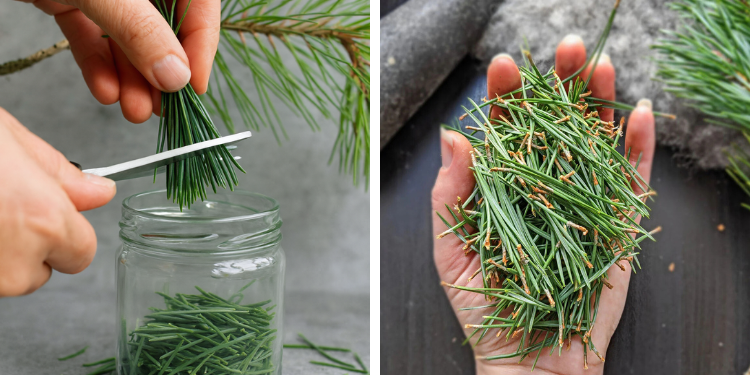
When pine trees shed their needles, most people see a mess to be raked and bagged – but gardeners, herbalists, and DIY naturalists know better.
Those fragrant, resilient needles that blanket the forest floor are far from waste. In fact, pine needles are one of nature’s most versatile materials – useful for gardening, cleaning, crafting, healing, and even cooking.
1. Pine Needles Make Excellent Mulch for Gardens
Pine needles, often called pine straw, are one of the best natural mulching materials available – especially for flower beds, vegetable patches, and pathways.
They’re lightweight, easy to spread, and break down slowly, giving your soil long-lasting protection.
Benefits of pine needle mulch:
- Regulates soil temperature: Keeps roots cool in summer and warm in winter.
- Retains moisture: Their airy texture allows water to penetrate but reduces evaporation.
- Prevents weeds: A thick layer (2–3 inches) suppresses weed growth naturally.
- Enriches soil: As pine needles decompose, they improve soil structure and add organic matter.
- Perfect for acid-loving plants: Pine needles slightly acidify the soil, making them ideal for blueberries, azaleas, hydrangeas, and rhododendrons.
How to use:
Rake up fallen needles, shake off debris, and spread them evenly around plants, leaving a few inches of space around stems or trunks.
Pro Tip: Contrary to popular myth, pine needle mulch doesn’t make soil too acidic – it has only a mild effect and is perfectly safe for most plants.
2. Natural Air Freshener and Deodorizer
Few scents are as clean and calming as pine. Those aromatic compounds you smell in a pine forest – mainly pinene and limonene – are natural air purifiers that reduce airborne bacteria and neutralize odors.
How to use pine needles to freshen your home:
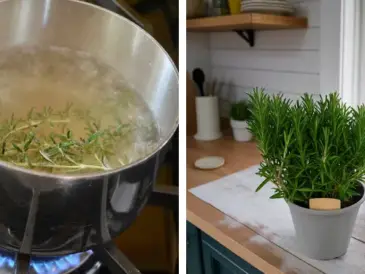
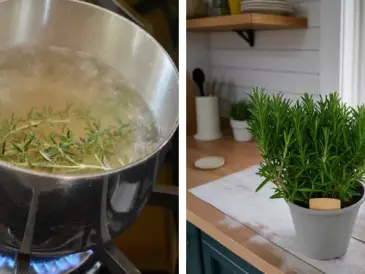
- Simmer pot: Add a handful of pine needles, orange peels, and cinnamon sticks to a pot of simmering water. Let it release a refreshing, forest-like fragrance through your home.
- Scent sachets: Dry the needles and fill small cloth bags. Place them in closets, drawers, cars, or shoes to keep things smelling fresh.
- DIY pine spray: Steep pine needles in vodka or witch hazel for a few days, strain, and add to a spray bottle. Use it as a natural air or linen spray.
Not only do pine needles make your home smell amazing, but their scent also promotes relaxation and reduces stress and mental fatigue.
3. Pine Needle Tea for Immunity and Detox
Yes, pine needles can be used to make tea – and it’s surprisingly delicious!
Pine needle tea has been consumed for centuries by Indigenous peoples and herbal healers for its immune-boosting, anti-inflammatory, and respiratory-clearing benefits.
It’s rich in vitamin C, vitamin A, and antioxidants, which help support the immune system, reduce fatigue, and aid in recovery from colds.
How to make pine needle tea:
- Gather young, bright-green pine needles from chemical-free trees (avoid yew, Norfolk Island, or other non-pine conifers – they are toxic).
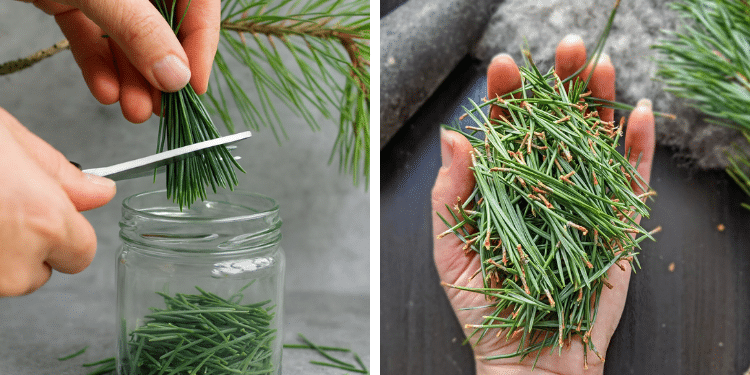
- Rinse well and chop into small pieces.
- Add one tablespoon of needles per cup of hot water.
- Steep for 10–15 minutes, strain, and add honey or lemon.
Health benefits:
- Boosts immunity and reduces inflammation
- Clears sinuses and congestion
- Supports respiratory health
- Enhances mood and mental clarity
The tea has a mild citrus-pine flavor that’s both soothing and revitalizing – perfect for cold weather or seasonal fatigue.
4. Pine Needle Vinegar for Cleaning and Cooking
Pine needles can be infused into vinegar to create a powerful natural cleaner or herbal tonic.
For cleaning:
Combine pine needles with white vinegar in a glass jar, seal, and let steep for 2–3 weeks. Strain and dilute 1:1 with water before using.
This DIY cleaner cuts grease, disinfects surfaces, and leaves behind a fresh woodland scent – no synthetic chemicals needed.
For cooking:
Infuse apple cider vinegar with fresh pine needles for 2–4 weeks. The result is a tangy, aromatic infusion perfect for salad dressings, marinades, or digestive tonics.
Pine vinegar pairs wonderfully with roasted vegetables, root dishes, and citrus-based recipes.
5. Pine Needle Crafts and Holiday Decorations
If you love crafting or decorating naturally, pine needles are a dream material – flexible, aromatic, and timeless.
Creative ideas:
- Wreaths and garlands: Bundle fresh or dried needles around a wire frame and secure with twine for a rustic wreath.
- Pine needle baskets: Longleaf pine needles are ideal for weaving durable, earthy baskets.
- Scented ornaments: Fill mesh balls or fabric sachets with dried pine and hang them around your home for a natural air freshener.
- Potpourri: Mix pine needles with dried orange peels, cloves, and cinnamon for a seasonal centerpiece.
These projects not only repurpose what nature provides but also bring the scent and spirit of the forest into your living space.
6. Fire Starters and Kindling
Dry pine needles catch fire quickly, making them perfect for campfires, fireplaces, or outdoor grills.
How to make:
Gather dry needles and mix them with wax shavings or wood chips. Place in cardboard egg cartons and pour melted wax over each compartment.
Once cooled, break them apart – you’ll have long-burning, all-natural fire starters.
Their resinous oils help ignite flames fast without the need for chemical lighter fluids. Always use in moderation and store safely in a dry place.
7. Natural Pest Repellent for Garden and Home
Pine needles aren’t just useful for plants – they also help deter pests naturally.
In the garden:
Spread pine needles around your plants to repel slugs, snails, and some soil pests. The slightly acidic scent and texture make it difficult for crawling insects to navigate.
Around the home:
Dried pine bundles can be placed near windows, doors, or attics to discourage mice and certain insects.
Their strong, resinous aroma masks scent trails that attract pests.
For extra protection, mix pine needles with cedar shavings or rosemary sprigs for a long-lasting repellent blend.
8. Soil Erosion Control and Pathway Cover
Because pine needles interlock and decompose slowly, they form a natural mat that prevents soil erosion on slopes and walkways.
They’re a fantastic eco-friendly alternative to gravel or bark mulch.
How to use:
Spread a thick layer (3–4 inches) on garden paths or hilly areas. This prevents mud, reduces runoff, and keeps weeds from spreading.
Pine needles allow air and water to flow while holding soil in place – a perfect solution for sustainable landscaping.
Bonus: They’re lightweight, easy to move, and don’t compact the soil.
9. Compost Accelerator and Carbon Source
Pine needles are carbon-rich, making them a valuable “brown” material for compost piles.
Their structure helps aerate the compost, improving airflow and decomposition.
How to use:
Add pine needles in thin layers mixed with “green” materials like kitchen scraps or grass clippings.
Because they break down slowly, shred or crush them first to speed up the process.
Tip: Pine needles won’t make your compost too acidic – once decomposed, they become nearly neutral and contribute valuable organic matter to your garden.
10. Natural Floor Freshener or Pet Bedding
Pine needles can freshen and purify indoor spaces naturally.
For cleaning floors:
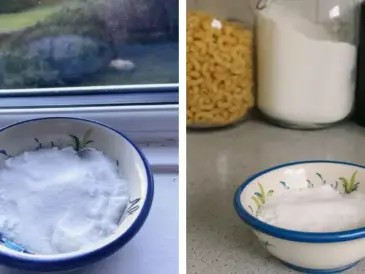
Sprinkle dried, crushed needles on floors or mix with baking soda for a natural carpet deodorizer. Vacuum after a few minutes – your home will smell like a forest.
For pet areas:
Dried pine needles (especially longleaf or white pine) make excellent pet bedding for outdoor shelters.
They repel fleas and ticks naturally, stay dry longer than straw, and release a subtle, clean aroma.
Note: Avoid fresh, resin-heavy needles for small pets, as the oils can be too strong – use aged or dried ones instead.
Bonus: Pine Needle Oil for Healing and Aromatherapy
If you enjoy herbal remedies, you can create your own pine-infused oil at home.
How to make:
- Fill a clean glass jar with fresh pine needles.
- Pour in carrier oil (like olive, almond, or jojoba) until covered.
- Let it sit in a sunny window for 2–3 weeks.
- Strain and store in a dark bottle.
Uses:
- As a chest rub for colds and congestion.
- In bath soaks to ease sore muscles and refresh the skin.
- As an aromatic massage oil for relaxation and mood lifting.
The oil captures the essence of pine’s natural healing power – refreshing, antibacterial, and deeply grounding.
Sustainability Bonus: How Collecting Pine Needles Helps the Ecosystem
Raking and reusing pine needles doesn’t just benefit you – it helps your environment too.
- Prevents fire hazards: Collecting excess dry needles reduces wildfire risk in forested areas.
- Encourages healthy soil: Using them as mulch returns nutrients back to the earth.
- Zero waste: Every part of the pine tree serves a purpose – from needles to cones.
By reusing pine needles instead of discarding them, you’re practicing a form of eco-conscious recycling that honors nature’s natural cycles.
What many see as yard debris is actually a multi-purpose gift from the forest. Pine needles can nourish your soil, freshen your home, fuel your fire, and support your health – all without costing a cent.