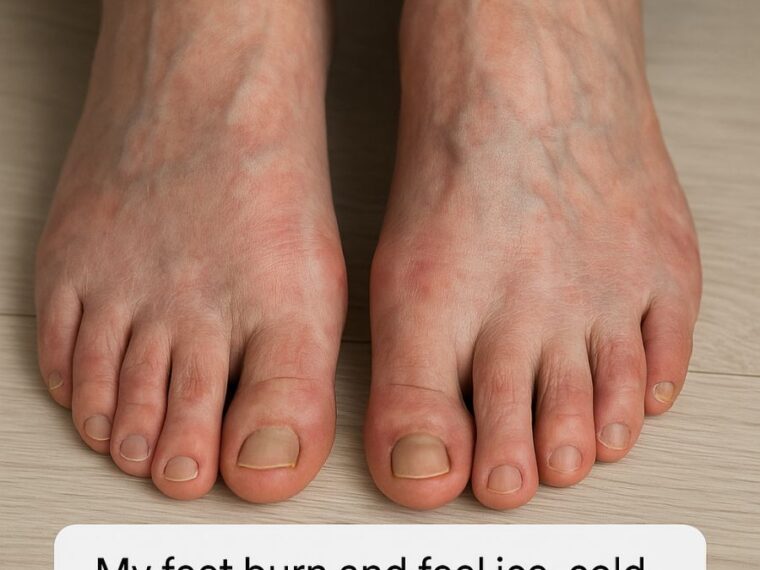
Experiencing feet that simultaneously burn and feel ice-cold can be perplexing and distressing. These sensations can disrupt daily life, making it difficult to focus on tasks or even relax. While awaiting a doctor’s appointment, it’s natural to feel anxious about what might be causing these symptoms.
Understanding the potential causes and what actions you can take in the meantime is crucial. This article will explore various reasons behind mixed nerve signals in the feet, potential underlying conditions, and practical steps to manage these symptoms until you can consult with a healthcare professional.
1. Why Feet Can Feel Burning Hot and Ice-Cold at the Same Time
The paradoxical sensation of feet feeling both burning hot and ice-cold is often the result of mixed signals in the peripheral nerves. Nerves transmit information about temperature and pain to the brain, but when they are damaged or dysfunctional, they can send incorrect or conflicting messages. This miscommunication can result in bizarre sensory experiences such as feeling hot and cold simultaneously.
Temperature dysregulation can also be influenced by external factors such as ambient temperature and circulation issues, which can exacerbate the confusing signals from the nerves, leading to heightened sensations.
2. Peripheral Neuropathy: The Most Common Culprit Behind Mixed Nerve Signals
Peripheral neuropathy is a condition where the peripheral nerves are damaged, often leading to burning, tingling, or numbness in the extremities. It is the most common cause of these mixed nerve signals. This condition can affect one or more types of nerves, including sensory, motor, and autonomic nerves.
Factors contributing to peripheral neuropathy include diabetes, infections, and exposure to toxins. The severity and location of symptoms depend on which nerves are affected. Diagnosis typically involves a combination of physical examinations, nerve function tests, and sometimes, nerve biopsies.
3. Diabetes and Prediabetes: Silent Damage to the Nerves in Your Feet
Diabetes is a leading cause of peripheral neuropathy, affecting nearly 50% of people with diabetes, according to the American Diabetes Association. High blood sugar levels over time can damage the small blood vessels that supply the nerves in the feet, leading to symptoms such as burning, tingling, or numbness.
Even those with prediabetes can experience neuropathy, often referred to as ‘prediabetic neuropathy.’ Early detection and management of blood sugar levels are crucial in preventing further nerve damage and alleviating symptoms.
4. Pinched Nerves in the Back or Legs: When the Problem Starts Higher Up
A pinched nerve in the lower back or legs can lead to referred pain or sensations in the feet. Conditions such as sciatica, where the sciatic nerve is compressed, can cause burning or tingling sensations that travel down the leg into the foot.
Effective treatment of pinched nerves often involves physical therapy, exercises to relieve pressure on the nerve, and sometimes surgical intervention if conservative methods fail. Identifying the source of the pinched nerve is crucial in managing the symptoms effectively.
5. Circulation Problems: When Blood Flow Makes Feet Feel Frozen and on Fire
Poor circulation can lead to feet feeling cold due to inadequate blood flow. Conditions such as peripheral artery disease (PAD) can cause these symptoms, as narrowed arteries reduce blood supply to the limbs.
Conversely, when circulation improves, it can cause a burning sensation as the nerves react to the sudden influx of blood. Lifestyle changes, medications, and in some cases, surgical procedures are used to improve circulation and alleviate symptoms.
6. Vitamin Deficiencies, Alcohol, and Toxins: Overlooked Causes of Nerve Damage
Deficiencies in vitamins such as B12, B6, and E can lead to nerve damage and neuropathy. These vitamins are crucial for nerve health, and their deficiency can result in symptoms like tingling or burning in the feet.
Excessive alcohol consumption and exposure to toxins such as heavy metals or certain medications can also damage peripheral nerves. Addressing these deficiencies through dietary changes or supplements and reducing exposure to harmful substances can help alleviate symptoms.
7. Autoimmune and Inflammatory Conditions That Attack the Nerves
Autoimmune diseases like lupus, rheumatoid arthritis, and Guillain-Barre syndrome can lead to nerve inflammation and damage. These conditions cause the body’s immune system to mistakenly attack its own tissues, including nerves.
Treatment often involves managing the underlying autoimmune condition with medications such as corticosteroids and immunosuppressants, alongside therapies to address the neuropathy symptoms.
8. Red-Flag Symptoms: When Burning and Cold Feet Are an Emergency
While burning and cold sensations in the feet are often not emergencies, certain symptoms warrant immediate medical attention. These include sudden and severe pain, muscle weakness, loss of bladder or bowel control, or symptoms following an injury.
These signs may indicate a more serious condition such as a stroke, spinal cord injury, or severe nerve compression and require urgent evaluation and intervention.
9. What You Can Safely Try at Home While You Wait for Your Appointment
While waiting for a doctor’s appointment, there are several safe measures you can take to manage symptoms. These include maintaining good foot hygiene, wearing comfortable shoes, and using temperature-appropriate socks to provide comfort.
Gentle foot exercises and massages can help improve circulation and alleviate discomfort. Over-the-counter pain relievers and topical creams containing capsaicin or menthol may provide temporary relief of burning sensations.
10. Popular Online Hacks for Burning Feet—What Helps and What to Avoid
Many online remedies claim to alleviate burning foot symptoms, but not all are effective or safe. Some useful methods include soaking feet in cool water (not ice-cold) and using a foot roller for massage.
However, it’s important to avoid extreme temperature treatments, such as ice baths or heating pads, which can exacerbate symptoms. Consulting with a healthcare professional before trying new remedies is always recommended.
11. What to Ask Your Doctor: Tests and Treatments for Peripheral Neuropathy
When you meet with your doctor, it’s important to discuss your symptoms in detail and ask about potential tests such as nerve conduction studies or blood tests to identify underlying causes. You should also inquire about different treatment options, including medications like gabapentin or pregabalin for nerve pain.
Discuss lifestyle modifications and possible referrals to specialists, such as a neurologist or endocrinologist, for further evaluation and management of your condition.
12. Long-Term Nerve Care: Protecting Your Feet and Preventing Progression
Long-term management of nerve health involves regular monitoring and control of underlying conditions, such as diabetes or vitamin deficiencies. Maintaining a healthy lifestyle, including a balanced diet rich in essential nutrients and regular exercise, supports nerve health
Regular foot examinations, proper footwear, and avoiding exposure to toxins and excessive alcohol can prevent further nerve damage. Collaborating with healthcare providers for ongoing assessment and adjustment of treatment plans is crucial for managing symptoms and preventing progression.