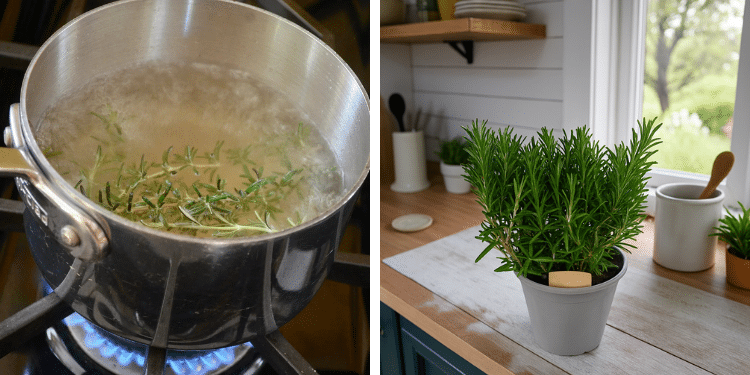
Rosemary is one of the most powerful herbs in the world – yet most people only use it to season roasted potatoes or chicken.
What many don’t realize is that rosemary has been used for thousands of years as a natural remedy for memory, mood, digestion, inflammation, and even pain relief.
Ancient Greeks burned rosemary in their temples to sharpen concentration, Roman healers used it to stimulate circulation, and medieval herbalists recommended it for headaches, fatigue, and low immunity.
Today, modern research confirms what traditional medicine always knew: rosemary is packed with antioxidants, anti-inflammatory compounds, essential oils, and unique phytochemicals that support nearly every system in the body.
When used daily – whether as tea, oil, aromatherapy, or fresh leaves – rosemary can help ease many of the small but frustrating problems people deal with every day.
Here are 17 daily complaints rosemary can surprisingly help fix – and why this simple herb deserves a permanent place in your home.
1. Brain Fog and Poor Concentration
One of rosemary’s most famous benefits is its ability to boost mental clarity. The herb contains cineole, a compound that increases blood flow to the brain and enhances neurotransmitter activity.
People who use rosemary regularly often notice:
- clearer thinking
- improved focus
- sharper memory
- quicker mental processing
Even the scent of rosemary can stimulate the brain – which is why students in ancient Greece wore rosemary crowns during study sessions.
2. Low Energy and Constant Fatigue
Rosemary naturally stimulates circulation and helps the body deliver oxygen more efficiently. Instead of reaching for caffeine, breathing in rosemary essential oil or drinking rosemary tea can gently lift energy levels without jitters or crashes.
It helps the body feel:
- more awake
- refreshed
- motivated
- physically lighter
It’s especially helpful during afternoon slumps or long workdays.
3. Digestive Discomfort and Bloating
Rosemary has carminative (gas-reducing) and digestive-stimulating properties. It encourages the production of bile and digestive enzymes, helping the stomach break down food more efficiently.
Daily use may help ease:
- bloating
- indigestion
- constipation
- sluggish digestion
- stomach cramps
This makes rosemary tea a perfect after-meal drink.
4. Frequent Headaches
Rosemary’s essential oils help relax blood vessels and reduce inflammation – two major causes of headaches.
Using rosemary oil on the temples or inhaling its aroma may help:
- reduce tension headaches
- ease sinus headaches
- calm stress-related migraines
- improve blood flow to the head
The scent alone can bring noticeable relief.
5. Stress and Anxiety Overload
Rosemary contains calming compounds that help regulate the nervous system. While stimulating for the mind, it is soothing for stress-related tension.
It may help:
- reduce restlessness
- ease nervous tension
- calm racing thoughts
- promote emotional balance
A simple rosemary steam or warm tea can shift the entire mood of the day.
6. Muscle Aches and Tension
Rosemary is widely used in muscle balms and massage oils because it increases circulation and reduces inflammation in muscles and joints.
Applying rosemary-infused oil may help ease:
- sore muscles
- back tension
- stiffness from long hours sitting
- post-workout soreness
It’s a natural, warming herb that encourages relaxation and recovery.
7. Joint Stiffness and Mild Arthritis
Because rosemary has strong anti-inflammatory properties, it is effective for soothing joint discomfort.
Consistent use of rosemary oil or tea may help:
- reduce morning stiffness
- increase mobility
- support joint function
- ease flare-ups of mild arthritis
It gently supports long-term joint health.
8. Slow Hair Growth and Thinning Hair
Rosemary’s ability to stimulate circulation makes it one of the best herbs for hair growth. It increases blood flow to hair follicles and strengthens roots.
Daily use may help:
- reduce shedding
- encourage new growth
- improve scalp circulation
- thicken hair strands
- reduce dandruff
Rosemary oil has even been compared to minoxidil in effectiveness.
9. Poor Sleep Quality
Rosemary helps calm the nervous system and ease tension – two essential factors for deep, restful sleep.
Drinking rosemary tea in the evening or inhaling its aroma may help:
- quiet the mind
- relax the body
- reduce nighttime restlessness
- promote deeper sleep cycles
It helps the body shift from stress mode into recovery mode.
10. Low Immunity and Frequent Illness
Rosemary contains antioxidants, flavonoids, and antimicrobial compounds that strengthen the immune system.
Daily use may help:
- reduce the frequency of colds
- fight viruses and bacteria
- support faster recovery
- protect cells from damage
It works as a protective herbal tonic during seasonal changes.
11. Bad Breath
Because of its antibacterial oils, rosemary is an excellent natural breath freshener.
Chewing a fresh sprig or drinking rosemary tea may help:
- reduce odor-causing bacteria
- freshen the mouth
- improve oral health
It’s better for the mouth than sugary mints or gum.
12. Inflammation Throughout the Body
Inflammation leads to many everyday problems, from headaches and joint pain to fatigue and skin irritation.
Rosemary’s powerful anti-inflammatory compounds – especially rosmarinic acid – help reduce swelling and soothe irritated tissues.
Daily use can support overall inflammation balance.
13. Sluggish Circulation
Rosemary stimulates blood flow, making it a helpful herb for cold hands and feet, slow healing, and low energy.
Incorporating it into your routine may help:
- improve circulation
- warm the extremities
- support cardiovascular function
This was one of rosemary’s earliest traditional uses.
14. Brain Aging and Memory Loss
Rosemary contains antioxidants that protect brain cells from oxidative stress and inflammation – two major causes of cognitive decline.
Long-term benefits may include:
- improved memory
- sharper thinking
- protection against age-related decline
- better neural communication
Even inhaling rosemary scent has been shown to improve memory performance.
15. Skin Irritation and Breakouts
Rosemary has antimicrobial and anti-inflammatory benefits that support clearer skin. It helps fight acne-causing bacteria and reduces redness.
Used consistently, rosemary may help:
- reduce blemishes
- calm irritation
- support skin repair
- improve circulation to the skin
Rosemary steam treatments are especially effective.
16. Frequent Colds or Congestion
The herb has expectorant properties that help open airways and clear mucus. Rosemary steam inhalation was used for centuries to relieve respiratory issues.
It may help with:
- sinus congestion
- blocked nose
- chest tightness
- lingering coughs
Its essential oils help cleanse and soothe the respiratory tract.
17. Low Mood and Feeling Mentally Stuck
Rosemary is uplifting and energizing. Its aroma stimulates areas of the brain associated with motivation and positive mood.
Daily use may help:
- lift mental fatigue
- improve emotional balance
- boost motivation
- support mental resilience
Simply rubbing fresh rosemary between your fingers and inhaling the scent can shift your mindset.
The Best Ways to Use Rosemary Daily
Rosemary is versatile and easy to incorporate into daily life.
Popular methods include:
- rosemary tea
- rosemary-infused olive oil
- hair rinses
- essential oil aromatherapy
- rosemary bath soaks
- cooking with fresh or dried leaves
- rosemary steam inhalation
Used consistently, its effects accumulate and support long-term well-being.
Rosemary is far more than a culinary herb. It’s a powerful medicinal plant capable of easing many daily complaints – from stress, brain fog, and headaches to inflammation, poor digestion, and sluggish circulation.