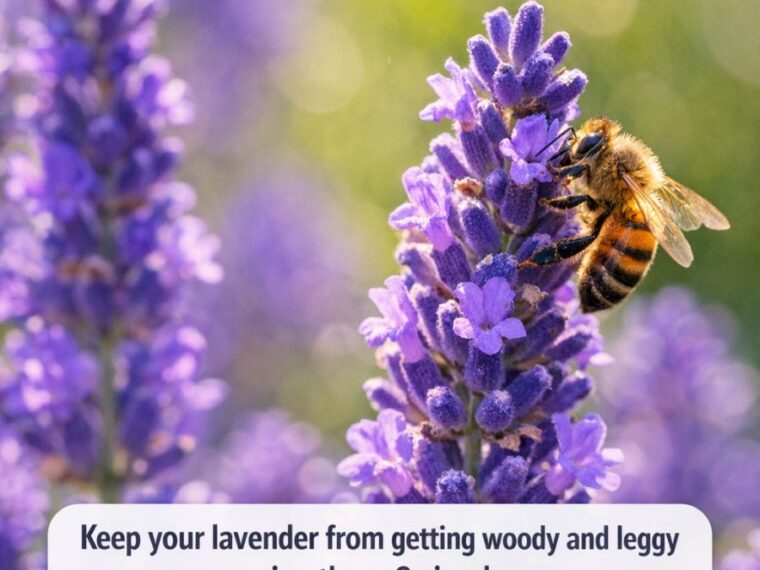
Lavender is a delightful plant cherished for its soothing fragrance and charming appearance. However, without proper care, lavender can become woody and leggy, leading to decreased blooms and an unsightly garden presence. To maintain the beauty and vigor of your lavender plants, it’s essential to adopt a routine of simple maintenance practices.
These practices not only ensure that your lavender remains compact and healthy but also encourage prolific blooming. By implementing these nine straightforward techniques, you can keep your lavender from becoming overgrown and maintain its lush, aromatic appeal all season long.
1. Start With the Right Lavender Variety and Planting Spot
Choosing the right variety of lavender is crucial as different types have varying growth habits. English lavender (Lavandula angustifolia) is known for its compact growth, making it ideal for garden beds. When selecting a planting spot, prioritize areas with full sun exposure, ideally 6 to 8 hours of sunlight per day. Ensure the soil is well-draining; lavender thrives in slightly sandy or loamy soils with a pH of 6.5 to 7.5. Avoid planting in areas with heavy clay soil as this can lead to root rot and poor growth.
2. Prune Young Lavender Hard to Prevent Woody Bases
Pruning young lavender plants hard encourages bushy growth and prevents the development of woody bases. In the first year, trim back the plant by about one-third after the initial flowering. This helps establish a strong framework and promotes dense foliage. Be careful not to cut into the woody part of the stems, as this can damage the plant and impede regrowth.
3. Follow the Ideal Seasonal Pruning Schedule
Timing your pruning correctly is vital for maintaining healthy lavender. In the early spring, remove any dead or damaged stems to make way for new growth. After the summer flowering, prune back the plants by one-third to one-half, depending on the size of the plant. This post-bloom pruning encourages a second flush of flowers and keeps the plant from becoming leggy. Always use clean, sharp pruning shears to minimize stress and disease risk.
4. Use the One-Third Rule to Shape Bushy, Compact Plants
The one-third rule is an effective guideline for shaping lavender. By trimming back about one-third of the plant’s foliage, you encourage a compact shape and prevent legginess. This method allows the plant to focus its energy on developing strong new stems rather than extending existing ones. Regularly applying this rule after flowering helps maintain a dense, attractive form.
5. Deadhead Spent Blooms to Stop Plants From Getting Leggy
Removing spent blooms, or deadheading, prevents lavender from expending energy on seed production and encourages bushier growth. After the initial blooms fade, use scissors or pruning shears to snip off the flower spikes. This simple act redirects the plant’s resources back into foliage production, reducing legginess and promoting a robust appearance.
6. Avoid Cutting Into Old Wood So Stems Regrow Strongly
Lavender does not regenerate well from old wood, so it’s important to avoid cutting into the woody parts of the plant. Focus on pruning the green, flexible stems instead. Cutting into old wood can lead to poor regrowth and may eventually kill the plant. When shaping or rejuvenating, always leave some green growth to ensure the plant can continue to photosynthesize and thrive.
7. Water and Feed Sparingly to Curb Weak, Stretchy Growth
Lavender is drought-tolerant and prefers dry conditions. Overwatering can lead to weak, leggy growth and root rot. Water your lavender only when the soil is completely dry, typically once every two weeks in dry climates. Similarly, avoid excessive fertilization; too much nitrogen encourages rapid, weak growth. A light feed with a balanced fertilizer in early spring is sufficient for healthy development.
8. Give Lavender Full Sun and Good Airflow to Keep It Dense
Lavender thrives in full sunlight and requires good airflow to prevent fungal diseases. Plant your lavender in open areas where it can receive at least 6 hours of direct sun each day. Space plants adequately, about 12 to 18 inches apart, to ensure air circulation. Proper spacing and sunlight exposure help maintain dense foliage and vibrant blooms
9. Rejuvenate Overgrown, Woody Plants With Gradual Renewal Pruning
For older, woody lavender plants, rejuvenation is possible through gradual renewal pruning. Over the course of three years, prune back one-third of the oldest branches each year. This method allows new growth to replace the old without shocking the plant. Avoid cutting back all woody stems at once, as this can lead to plant death. Patience and careful pruning will restore the plant’s vitality and appearance.