Mental and emotional well-being is deeply influenced by our environment. Light, scent, color, air quality, and even the presence of living plants can shape how we feel on a daily basis.
Among all indoor plants, jasmine stands out as one of the most powerful for emotional health.
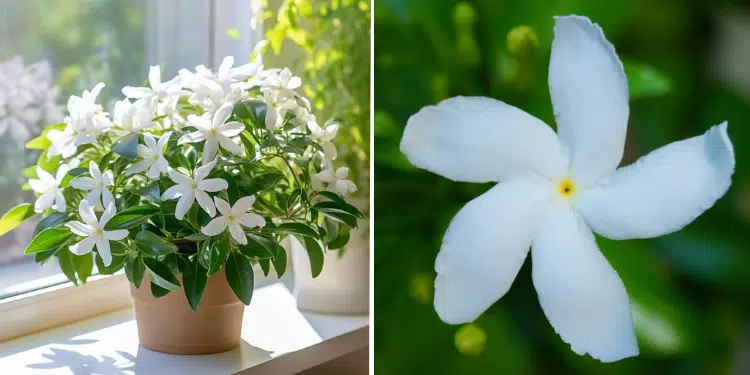
Its delicate white flowers and naturally calming fragrance have been used for centuries to ease the mind, calm the nervous system, and promote emotional balance.
Modern research and traditional practices increasingly agree on one thing: keeping a jasmine plant in your room – especially the bedroom – can help reduce anxiety, panic attacks, stress, and symptoms of depression.
Why Jasmine Has a Powerful Effect on the Mind
Jasmine is not just a beautiful ornamental plant. Its scent contains natural aromatic compounds that directly influence brain chemistry.
Key reasons jasmine affects mental health:
- Acts on the limbic system (the emotional center of the brain)
- Reduces stress hormone levels
- Promotes relaxation without sedation
- Enhances mood and emotional stability
- Encourages deeper, calmer breathing
Unlike artificial fragrances, living jasmine releases its scent gently and continuously, creating a subtle therapeutic environment rather than an overwhelming stimulus.
How Jasmine Helps Reduce Anxiety Naturally
Anxiety often stems from an overactive nervous system. Jasmine works by gently slowing that system down.
How it helps:
- Calms overstimulation of the brain
- Encourages parasympathetic (rest-and-digest) activity
- Reduces racing thoughts
- Lowers physical symptoms such as tension and restlessness
Studies comparing jasmine aroma to some anti-anxiety medications have shown that jasmine’s scent can produce similar calming effects without causing drowsiness or dependence.
Placing a jasmine plant in your room allows your body to absorb these calming signals naturally – especially during rest and sleep.
Jasmine and Panic Attacks: Why the Scent Can Help
Panic attacks are often triggered by sudden spikes in stress hormones and irregular breathing patterns. Jasmine helps address both.
Jasmine may help panic attacks by:
- Slowing breathing and heart rate
- Reducing feelings of impending danger
- Promoting a sense of emotional safety
- Supporting oxygen flow through calmer respiration
Many people report that jasmine’s scent creates a grounding effect, helping the mind return to the present moment – an essential part of panic management.
While jasmine is not a medical treatment, it can be a powerful supportive tool when used consistently in a calming environment.
Jasmine’s Role in Reducing Symptoms of Depression
Depression often involves low mood, lack of motivation, disrupted sleep, and emotional fatigue. Jasmine addresses several of these areas simultaneously.
Benefits for depressive symptoms:
- Naturally elevates mood
- Encourages positive emotional responses
- Reduces mental heaviness
- Improves sleep quality
- Enhances daytime alertness
Unlike sedative scents, jasmine helps people feel calm yet mentally clear, making it particularly useful for those dealing with emotional exhaustion rather than agitation.
Jasmine Improves Sleep Quality Without Sedation
Poor sleep worsens anxiety and depression. Jasmine has been shown to improve sleep quality by calming the nervous system while keeping the mind clear.
Sleep benefits include:
- Faster time falling asleep
- Fewer nighttime awakenings
- Deeper sleep cycles
- More refreshed mornings
Unlike synthetic sleep aids, jasmine doesn’t “knock you out.” Instead, it creates the conditions for natural, restorative sleep.
For best results, place the plant near a bed or window where airflow gently spreads its fragrance at night.
Why a Living Jasmine Plant Works Better Than Oils or Sprays
While jasmine essential oil is popular, a live jasmine plant offers unique advantages:
- Continuous, gentle fragrance
- No chemical processing
- Visual calming effect from greenery and flowers
- Improves indoor air quality
- Creates a natural routine and sense of care
Caring for the plant itself also has mental health benefits – watering, observing growth, and tending flowers promotes mindfulness and emotional grounding.
Best Types of Jasmine for Indoor Mental Wellness
Not all jasmine varieties are ideal for indoor use. The following are best for rooms and bedrooms:
Best indoor jasmine types:
- Jasminum polyanthum – Strong fragrance, excellent for anxiety relief
- Jasminum sambac – Soft, soothing aroma, traditional calming plant
- Jasminum grandiflorum – Gentle scent, good for mood balance
Night-blooming varieties are especially effective for sleep and nighttime anxiety.
Where to Place Jasmine in Your Room
Placement plays a major role in how effective jasmine will be.
Best locations:
- Near a bedroom window with indirect light
- On a bedside table or shelf (not directly next to your face)
- In a quiet corner where airflow spreads the scent
Avoid placing jasmine:
- Directly above heating sources
- In dark, stagnant corners
- In places with strong drafts
Proper placement ensures consistent scent release without overwhelming the senses.
How to Care for Jasmine Indoors (So It Thrives and Blooms)
A healthy jasmine plant produces the strongest calming effect.
Basic indoor care:
- Light: Bright, indirect sunlight
- Water: Keep soil slightly moist, never soggy
- Temperature: 18–24°C (65–75°F)
- Humidity: Moderate to high (mist occasionally)
- Pruning: Light pruning encourages more blooms
A blooming jasmine plant releases more aroma—this is when its mental health benefits are strongest.
Emotional Benefits Beyond Anxiety and Depression
Keeping jasmine in your room can also support:
- Emotional balance during stressful periods
- Reduced irritability
- Improved concentration
- Enhanced sense of comfort and safety
- Better emotional resilience
Many people describe jasmine’s presence as emotionally stabilizing, especially during times of grief, burnout, or chronic stress.
Who Can Benefit Most From Jasmine in the Bedroom?
Jasmine is especially helpful for:
- People with anxiety or panic symptoms
- Those experiencing mild to moderate depression
- Individuals with stress-related insomnia
- People sensitive to artificial fragrances
- Anyone seeking a natural emotional support tool
It’s safe for most people and gentle enough for long-term use.
Important Considerations
While jasmine is beneficial, keep in mind:
- Strong fragrance may not suit everyone – start with one plant
- Pets should be kept from chewing leaves
- Jasmine supports mental health but does not replace medical care
Use jasmine as a complementary wellness practice, not a standalone treatment.
A jasmine plant is more than décor – it’s a natural emotional support system.
Its calming fragrance, gentle presence, and ability to influence the nervous system make it one of the best plants to keep in your room for mental well-being.