Every spring, the same frustration hits gardeners at the same time.
Seeds get planted in March. Seedlings look fine at first. But by the time summer heat arrives, plants are small, stressed, late to flower, or slow to produce.
Harvests feel rushed. Blooms are underwhelming. And gardeners wonder what went wrong.
The hard truth is this: by the time March arrives, many of the most important seeds are already behind schedule.
Some plants need a long head start. Others grow slowly in cold soil. Many benefit from early indoor warmth and light long before outdoor conditions are ready. Waiting until March doesn’t ruin your garden – but it limits its potential.
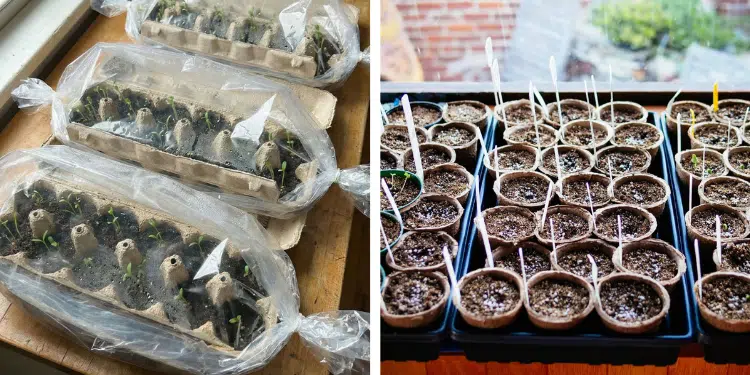
Experienced gardeners know that late winter is when the best gardens are quietly built. While the ground may still be frozen outside, the real growing season has already started indoors.
If you want stronger plants, earlier harvests, heavier blooms, and less stress later, these are the seeds you should be starting now, not in March.
Why Starting Seeds Early Changes Everything
Seeds don’t all grow at the same speed.
Some sprout quickly and race ahead. Others take weeks just to germinate, then grow slowly for months before they’re strong enough to thrive outdoors. When slow growers are started too late, they never fully catch up.
Starting seeds early allows plants to:
- Develop deeper root systems
- Grow sturdy stems before heat stress
- Flower earlier and longer
- Produce more fruit
- Handle transplant shock better
- Outcompete pests and weeds
This early advantage compounds over the entire season. A plant that’s two weeks ahead in spring often stays two weeks ahead all summer.
Why March Is Already Late for Certain Seeds
March feels early – but biologically, it isn’t for many plants.
By March:
- Light levels are increasing, but still inconsistent
- Indoor temperatures fluctuate
- Outdoor soil is cold and wet
- Slow-growing plants lose valuable time
- Cool-season crops miss optimal growth windows
Starting now – in late winter – means seedlings are ready when conditions finally align, not scrambling to catch up.
Seeds You Should Start Now (Not in March)
These plants either grow slowly, need early warmth, or benefit enormously from a long indoor start.
Peppers
Peppers are one of the slowest warm-season crops to develop.
From seed to transplant-ready plant can take 8–10 weeks. From transplant to harvest can take another 8–12 weeks. If you wait until March to start peppers, you often won’t see strong production until late summer.
Starting peppers now allows them to:
- Build thick stems
- Develop strong roots
- Flower earlier
- Set fruit before extreme heat
This applies to all peppers – sweet, bell, chili, and hot varieties.
Eggplant
Eggplants are closely related to peppers and share the same slow growth habit.
They need consistent warmth and time to mature. Cold soil stunts them badly. Early-started eggplants establish faster, flower sooner, and produce larger fruit.
Waiting until March often results in small plants that struggle all season.
Tomatoes (Especially Indeterminate Types)
While tomatoes grow faster than peppers, many varieties – especially indeterminate tomatoes – benefit from an early start.
Large-fruited heirlooms, beefsteaks, and long-season varieties need extra time to build structure before flowering.
Starting tomatoes early allows:
- Thicker stems
- Stronger root systems
- Earlier flowering
- Heavier fruit sets
March-started tomatoes often rush growth and stay weaker.
Onions (From Seed)
Onions grown from seed absolutely must be started early.
Bulb size depends on day length, not planting date. If onions aren’t large enough by the time days lengthen, bulbs remain small no matter how long they grow.
Starting onion seeds now allows them to:
- Develop leaf mass early
- Trigger large bulb formation
- Produce better storage onions
Waiting until March almost guarantees smaller bulbs.
Leeks
Leeks are one of the slowest-growing vegetables in the garden.
They take months to size up and benefit enormously from early indoor starts. Late-started leeks stay thin and weak.
Starting now ensures thick, flavorful stems by fall.
Celery
Celery is notoriously slow and fussy.
Seeds take a long time to germinate and grow into sturdy transplants. Cold soil stalls growth completely. Early starts give celery the long, steady growth period it needs.
March-started celery is often disappointing.
Artichokes
Artichokes are long-season plants that need early establishment to produce well, especially in cooler climates.
Starting seeds now allows plants to mature enough to form buds during the first season.
Waiting until March often delays production by an entire year.
Herbs That Grow Slowly
Some herbs take their time.
Start now:
- Rosemary
- Thyme
- Oregano
- Sage
- Lavender
These herbs grow slowly from seed and benefit from early root development. March-started herbs often remain small and fragile.
Perennial Flowers That Need a Head Start
Many perennials require long establishment periods before flowering.
Start now:
- Delphinium
- Foxglove
- Echinacea
- Shasta daisies
- Yarrow
- Coreopsis
Early-started perennials build roots instead of rushing weak top growth.
Brassicas for Early Spring Harvest
If you want early harvests of cool-season crops, you can’t wait until March.
Start now:
- Broccoli
- Cabbage
- Cauliflower
- Kale
These crops grow best in cool weather. Delayed starts push harvest into warmer temperatures, reducing quality and increasing pest pressure.
Why Early Seedlings Don’t “Get Too Big”
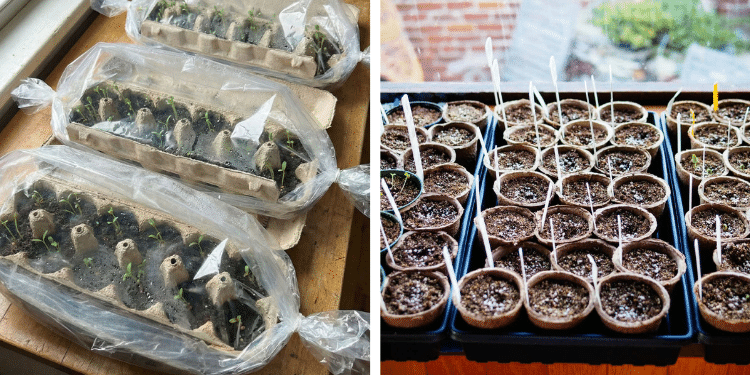
A common fear is that early seedlings will outgrow their containers.
This only happens when light, temperature, and pot size aren’t managed properly.
Healthy early seedlings are:
- Compact
- Strong
- Well-rooted
- Easy to up-pot
Leggy growth is caused by low light and high heat – not early timing.
How to Start Seeds Now Successfully
Starting early doesn’t mean starting recklessly.
You need:
- Bright light (grow lights or strong windows)
- Consistent warmth (65–75°F)
- Light, well-draining seed mix
- Proper spacing
- Air circulation
Good conditions matter more than the calendar.
The Biggest Mistakes People Make When Starting Early
- Using poor lighting
- Overwatering seedlings
- Starting in cold rooms
- Crowding seedlings
- Skipping pot upgrades
- Letting soil dry completely
Avoid these and early starts thrive.
Why Early-Started Plants Handle Transplanting Better
Plants started early indoors experience:
- Less shock
- Stronger root systems
- Better recovery
- Faster establishment
When moved outside, they transition smoothly instead of stalling.
What Happens If You Wait Until March
Waiting doesn’t mean failure – but it does mean compromise.
Plants may:
- Flower later
- Produce fewer fruits
- Stay smaller
- Struggle in heat
- Face more pest pressure
- Finish later in the season
You lose time you can’t get back.
The Quiet Advantage of Early Gardeners
The best gardens aren’t built in April.
They’re built quietly in January and February – when seeds are sprouting on windowsills while snow still falls outside.
Early gardeners aren’t rushing in spring.
They’re calmly transplanting strong plants while others are just getting started.
If you wait until March, you aren’t failing – but you are already late for many of the most rewarding plants in the garden.