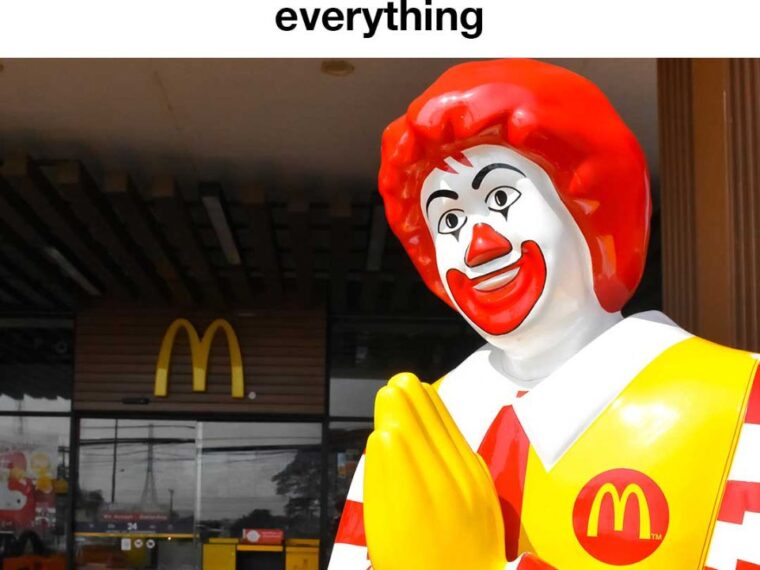
Once a ubiquitous figure in the world of fast food, Ronald McDonald, the iconic clown mascot of McDonald’s, has quietly faded from the forefront of the company’s branding. His disappearance from advertisements, events, and promotions has left many wondering why such a recognizable character would be sidelined. This article explores the reasons behind the vanishing act of Ronald McDonald, delving into cultural shifts, public opinion, and corporate strategy that have contributed to this change.
The Birth of a Fast-Food Icon: Ronald McDonald’s Origins
Ronald McDonald was first introduced in 1963, created to be the friendly face of McDonald’s and to appeal to children. The character was originally portrayed by Willard Scott, who also played Bozo the Clown. Ronald quickly became a symbol of the brand, embodying the fun and family-friendly atmosphere that McDonald’s sought to promote. Over the years, Ronald McDonald became a staple in advertising campaigns, appearing in commercials, print ads, and even his own television show.
The Golden Era: Ronald McDonald’s Rise to Fame
During the 1970s and 1980s, Ronald McDonald reached the height of his popularity. He was not only a marketing tool but also a cultural icon, recognized by children and adults alike. McDonald’s leveraged his image to create Ronald McDonald Houses, which provided housing for families of children receiving medical treatment. This philanthropic effort further cemented Ronald’s place in the hearts of many, associating him with both joy and charity.
Cultural Shifts: Changing Perceptions of Clowns
In recent years, societal perceptions of clowns have shifted. Once seen as whimsical and entertaining, clowns have increasingly been associated with fear and unease, partly due to their portrayal in horror films and media. This cultural shift has impacted the effectiveness of Ronald McDonald as a mascot. As public sentiment towards clowns became more negative, McDonald’s faced the challenge of maintaining Ronald’s appeal without alienating their audience.
The Role of Public Opinion: Concerns and Criticisms
Public opinion has played a significant role in the decline of Ronald McDonald’s presence. Criticisms have emerged regarding the marketing of fast food to children, with Ronald McDonald often at the center of these debates. Health advocates have argued that using a clown to promote unhealthy food choices to impressionable young audiences is irresponsible. This criticism has pressured McDonald’s to reevaluate their marketing strategies and the role of Ronald McDonald in them.
Corporate Strategy: McDonald’s Shift in Marketing Focus
In response to changing public opinion and cultural trends, McDonald’s has shifted its marketing focus away from Ronald McDonald. The company has increasingly emphasized healthier menu options, digital engagement, and modernizing its brand image. This strategic pivot aims to appeal to a broader demographic, including health-conscious consumers and millennials, who may not resonate with the traditional mascot-driven advertising.
Official Statements: McDonald’s Explanation for the Change
McDonald’s has been relatively quiet about the specific reasons for Ronald McDonald’s reduced presence. However, official statements have suggested that the company is focusing on evolving its brand to meet the needs of contemporary consumers. McDonald’s has emphasized its commitment to corporate responsibility and adapting to changing consumer preferences, which may not align with the traditional use of a clown mascot.
The Impact on Brand Identity: McDonald’s Without Ronald
The absence of Ronald McDonald has undoubtedly impacted McDonald’s brand identity. While the company continues to thrive, the nostalgic connection many had with Ronald is no longer a central part of its marketing. This shift reflects a broader trend in branding where companies are moving away from mascots and towards more lifestyle-oriented marketing. However, Ronald McDonald’s legacy remains a part of McDonald’s history, and his influence is still felt in the company’s charitable endeavors.
Conclusion: The Legacy of Ronald McDonald
Although Ronald McDonald may no longer be at the forefront of McDonald’s branding, his legacy endures. He remains a symbol of the company’s history and its commitment to community service through the Ronald McDonald House Charities. As McDonald’s continues to evolve, Ronald McDonald’s influence will be remembered as a significant chapter in the brand’s story, illustrating the complex interplay between cultural trends, public opinion, and corporate strategy.