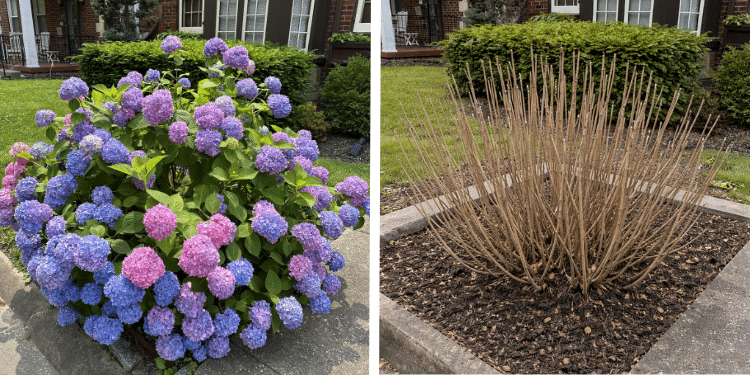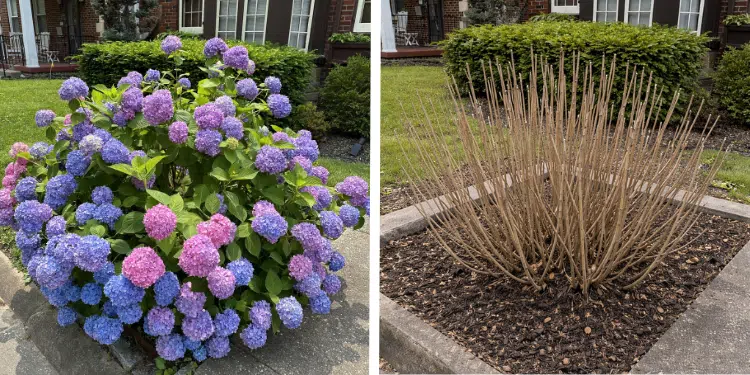
Hydrangeas are one of the most beloved flowering shrubs in any garden, known for their large, showy blooms and lush foliage. But if you want bigger, fuller, and more vibrant flowers, what you do in April makes all the difference.
April is a critical transition month – your hydrangeas are waking up from dormancy, preparing to grow, and setting the stage for the entire blooming season.
The care you provide now directly affects bud formation, stem strength, and overall flower size.
Why April Is So Important for Hydrangeas
By April, soil temperatures begin to rise, and hydrangeas start pushing out new growth. This is the moment when:
- Roots become active again
- New stems begin forming
- Flower buds start developing (especially in certain varieties)
If you support your plants properly during this stage, you’ll encourage strong growth and abundant blooms. If you neglect them, you may end up with weak plants and fewer flowers.
1. Clean Up Winter Damage and Dead Growth
The first step in April is giving your hydrangea a fresh start.
What to do:
- Remove dead stems, broken branches, and winter-damaged wood
- Cut back to healthy green growth or strong buds
- Clear away fallen leaves and debris around the base
Why it matters:
Dead material blocks airflow and can harbor pests and diseases. Removing it helps your plant focus energy on new, productive growth.
Pro tip:
Scratch the bark lightly – if it’s green underneath, the stem is alive. If it’s brown and dry, it’s safe to remove.
2. Know Your Hydrangea Type Before Pruning
One of the biggest mistakes gardeners make is pruning at the wrong time.
Hydrangeas fall into two main categories:
Old wood bloomers:
- Bigleaf hydrangea (Hydrangea macrophylla)
- Oakleaf hydrangea
- Mountain hydrangea
These form buds on last year’s growth.
Do NOT heavily prune in April, or you risk removing this year’s flowers.
New wood bloomers:
- Panicle hydrangea (Hydrangea paniculata)
- Smooth hydrangea (Hydrangea arborescens)
These bloom on new growth. You can prune more freely in early spring.
What to do in April:
- Light shaping only for old wood types
- Moderate pruning for new wood types if needed
Pro tip:
When in doubt, prune lightly. It’s better to have slightly messy plants than no blooms at all.
3. Feed with the Right Fertilizer
Hydrangeas are hungry plants, especially in spring.
What to use:
- Balanced fertilizer (10-10-10 or 12-4-8)
- Slow-release fertilizer is ideal
How to apply:
- Spread around the base (not touching the stems)
- Water thoroughly after feeding
Why it matters:
Proper nutrition supports:
- Larger flower heads
- Strong stems (preventing drooping blooms)
- Healthy leaf growth
Pro tip:
Avoid high-nitrogen fertilizers – they produce more leaves and fewer flowers.
4. Improve Soil and Mulch Properly
Hydrangeas love moist, rich, well-drained soil.
What to do in April:
- Add compost or well-rotted manure around the base
- Apply a 5–7 cm layer of mulch (bark, compost, or leaf mold)
Benefits:
- Retains moisture
- Regulates soil temperature
- Prevents weeds
- Improves soil structure over time
Pro tip:
Keep mulch a few centimeters away from the stems to prevent rot.
5. Adjust Soil pH for Flower Color (Bigleaf Hydrangeas)
If you’re growing bigleaf hydrangeas, April is the perfect time to adjust bloom color.
How it works:
- Acidic soil (pH < 6) → Blue flowers
- Alkaline soil (pH > 7) → Pink flowers
What to add:
- For blue blooms: aluminum sulfate
- For pink blooms: garden lime
Important note:
This only works on certain hydrangeas (mainly Hydrangea macrophylla).
Pro tip:
Changes take time – start early and maintain consistently.
6. Water Consistently (But Don’t Overdo It)
Hydrangeas need steady moisture, especially as they start growing.
April watering rules:
- Water deeply 1–2 times per week
- Keep soil consistently moist, not soggy
Signs of problems:
- Wilting leaves → underwatering
- Yellow leaves → overwatering
Pro tip:
Morning watering is best – it reduces disease risk and helps plants absorb moisture efficiently.
7. Protect New Growth from Late Frost
April weather can be unpredictable, especially in cooler regions.
Why this matters:
Late frost can damage tender new shoots and destroy developing flower buds.
How to protect:
- Cover plants overnight with:
- Garden fleece
- Old sheets
- Mulch heavily to insulate roots
Pro tip:
If frost damages new growth, don’t panic – some hydrangeas will recover and still bloom (especially new wood types).
Bonus Tips for Bigger Hydrangea Blooms
Give Them Enough Sun
- Most hydrangeas prefer morning sun + afternoon shade
- Too much shade = fewer flowers
Space Them Properly
- Good airflow prevents disease and supports strong growth
Avoid Overcrowding
- Crowded plants compete for nutrients and light
Support Heavy Blooms
- Large flowers can weigh stems down—use supports if needed
Common Mistakes to Avoid in April
Pruning too much
Removes future blooms (especially old wood types)
Over-fertilizing
Leads to leafy growth instead of flowers
Ignoring soil quality
Poor soil = weak plants and smaller blooms
Letting soil dry out
Hydrangeas are not drought-tolerant during active growth
USDA Zone Tips for April Hydrangea Care
Zones 3–5 (Cool Climates)
- Wait until late April for major work
- Protect from frost carefully
- Start fertilizing once growth begins
Zones 6–8 (Moderate Climates)
- Ideal time for pruning, feeding, and mulching
- Watch for temperature swings
Zones 9–11 (Warm Climates)
- Hydrangeas may already be actively growing
- Water more frequently as temperatures rise
- Provide afternoon shade
If you want huge, vibrant hydrangea blooms, April is the month that sets everything in motion.
The difference between average blooms and stunning, oversized flowers often comes down to these simple April steps.