Lavender is one of the most beautiful and rewarding plants you can grow, but without proper shaping, it can quickly become woody, leggy, and uneven.
Many gardeners struggle with lavender plants that look sparse in the center, flop outward, or lose their neat, rounded appearance after a few seasons.
The good news is that lavender responds extremely well to the right pruning techniques.
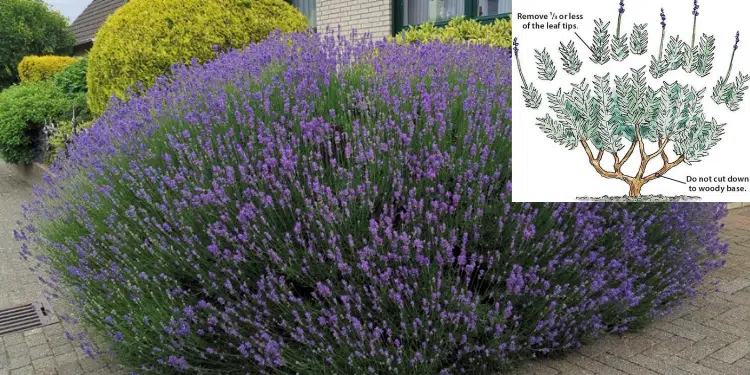
When shaped correctly, it develops into a dense, compact, rounded bush that produces more flowers, lasts longer, and looks stunning year after year.
Learning how to shape lavender properly isn’t complicated, but timing, technique, and consistency are essential.
Lavender grows differently from many shrubs, and incorrect pruning is the most common reason plants fail.
This guide explains exactly how to shape lavender into a bushy, rounded form while keeping it healthy and productive.
Why Lavender Becomes Leggy Without Shaping
Lavender is a semi-woody perennial. Each year, new soft green growth emerges from the plant’s base and older stems, while the lower portions slowly harden into woody tissue.
If left unpruned, lavender directs its energy upward and outward, producing long stems with flowers only at the tips.
Over time, this causes the plant to split open, lose its compact shape, and stop producing dense blooms.
Regular shaping encourages lavender to branch instead of stretch. Every cut signals the plant to send out multiple new shoots, creating the bushy, rounded form gardeners love.
The Best Time to Shape Lavender
Timing is the most important factor in shaping lavender successfully. Pruning at the wrong time can reduce flowering or even kill the plant.
The main shaping prune should be done immediately after flowering, usually in late spring or early summer, depending on your climate and lavender variety.
This is when the plant has finished its major bloom cycle and is ready to redirect energy into new growth.
A light second shaping can be done in mid to late summer after a second bloom flush, and a final gentle tidy may be done in early fall in mild climates.
However, heavy pruning late in the season should always be avoided, especially in colder regions.
Never hard-prune lavender in winter, as the plant needs its foliage to protect itself from cold and moisture.
Understanding Where to Cut Lavender
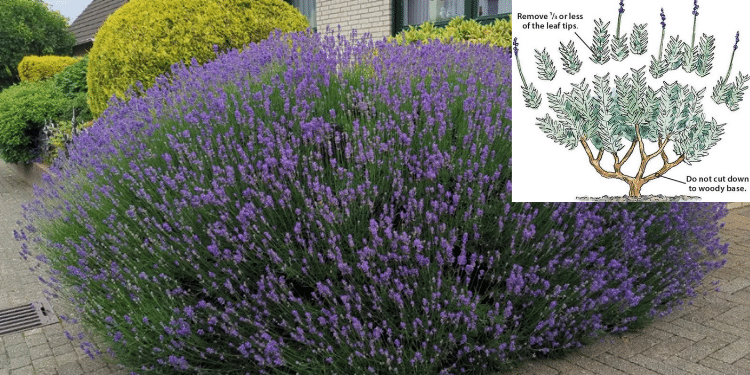
Lavender must always be pruned above green, flexible growth. The woody base does not reliably produce new shoots. Cutting into hard, brown wood often results in bare stems that never regrow.
When shaping, look closely at each stem and identify where green growth begins.
This is your safe cutting zone. Ideally, cuts should be made just above a leaf node or side shoot, which encourages branching.
As a general rule, never remove more than one-third of the plant at a time.
How to Shape Lavender Into a Rounded Bush
To create a compact, dome-shaped lavender plant, pruning must be done evenly and intentionally.
Begin by stepping back and looking at the overall shape of the plant. Imagine a soft mound or half-sphere. The goal is to remove excess height while encouraging side growth.
Start by trimming the tallest stems first, working your way around the plant. Make small, even cuts rather than large, aggressive ones. Rotate around the plant as you prune so that all sides remain balanced.
Always cut slightly deeper on the outer edges than in the center. This encourages side branching and prevents the plant from opening up in the middle. A gentle inward taper helps sunlight reach the center while maintaining a rounded silhouette.
Once the main shape is established, lightly trim stray stems sticking out beyond the mound. The plant should look neat but not scalped.
Why Regular Shaping Makes Lavender Bushier
Every time lavender is pruned correctly, it responds by producing multiple new shoots at each cut point.
Over time, this repeated branching creates a dense structure instead of long, single stems.
This bushier growth results in:
- more flower spikes
- a longer blooming season
- improved air circulation
- reduced disease risk
- a stronger, longer-lived plant
Lavender that is shaped annually can remain productive and attractive for ten years or more.
How to Shape Young Lavender Plants
Young lavender plants benefit greatly from early shaping. Even though it feels counterintuitive, pruning a small plant helps it establish a strong structure from the start.
During the first growing season, pinch or trim the tips of new growth once the plant reaches about 6–8 inches tall.
This encourages branching near the base and prevents the plant from becoming tall and thin.
Removing early flower buds in the first year also helps redirect energy into root development and bushy growth, resulting in a stronger plant long-term.
How to Fix a Woody or Misshapen Lavender Plant
If your lavender has already become woody, shaping must be done gradually. Never attempt to cut it back hard in one season.
Instead, prune lightly each year, cutting just above the woody section into green growth. Over two to three seasons, this approach slowly rejuvenates the plant without shocking it.
In severe cases where no green growth remains above the woody base, replacement is often the best option.
Tools and Technique for Clean Shaping
Always use sharp, clean pruning shears. Clean cuts heal faster and reduce the risk of disease. Disinfect tools between plants, especially if you notice signs of fungal issues.
Avoid tearing or crushing stems, which stresses the plant and slows recovery.
Aftercare: Helping Lavender Regrow Strongly
After shaping, lavender benefits from bright sunlight and excellent drainage. Avoid heavy watering after pruning, as lavender prefers slightly dry soil and excess moisture can cause root rot.
Do not apply high-nitrogen fertilizer, which causes soft growth and fewer flowers. Lavender thrives in lean soil. If needed, a light compost top-dressing is sufficient.
Within a few weeks, new shoots will appear, filling in the rounded shape naturally.
Common Shaping Mistakes to Avoid
Many lavender problems come from well-meaning but incorrect pruning. Avoid these mistakes:
- cutting into woody stems
- pruning too late in the season
- removing too much at once
- leaving the center too tall
- allowing flowers to go unharvested for years
Consistent, gentle shaping is far more effective than infrequent heavy cuts.
Why Rounded Lavender Plants Flower Better
A rounded lavender bush receives even sunlight on all sides, which promotes uniform flowering. Improved airflow reduces humidity around the stems, lowering the risk of fungal diseases.
The plant also directs energy more efficiently into bloom production rather than excessive woody growth.
Well-shaped lavender plants produce thicker flower spikes, stronger fragrance, and longer-lasting blooms.
Shaping lavender into a bushy, rounded form is one of the most important steps in maintaining a healthy, beautiful plant.
With the right timing and technique, lavender responds generously, becoming fuller, stronger, and more floriferous with each season.