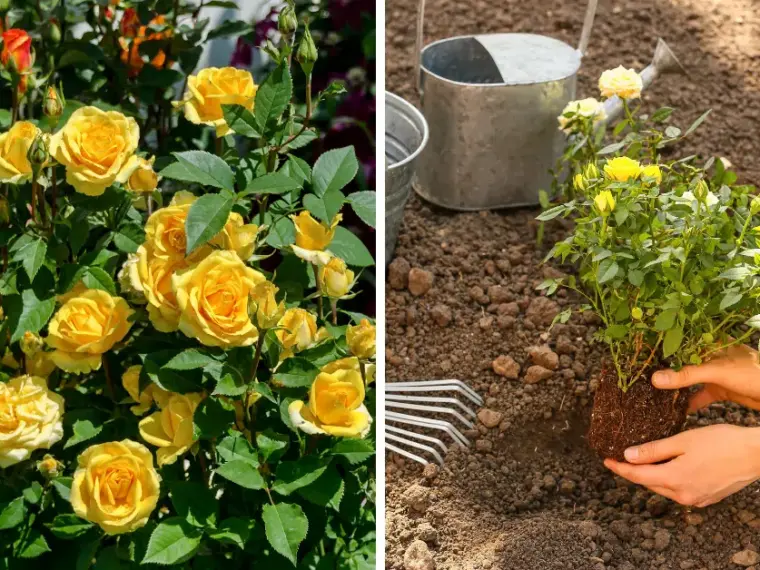
Fall is one of the best seasons to plant roses. While spring planting gets much of the attention, planting roses in autumn offers a head start on establishing strong root systems, producing more vigorous and resilient plants when spring arrives.
Cooler temperatures, consistent rainfall, and reduced transplant shock all make fall the ideal time to settle roses into the garden.
Whether you’re a first-time gardener or a seasoned rose enthusiast, planting roses in fall can lead to spectacular blooms the following year.
This comprehensive guide covers everything you need to know to choose, plant, and care for roses in the fall season so you can enjoy a garden full of vibrant color and sweet fragrance come spring and summer.
Why Fall is a Great Time to Plant Roses
Planting roses in the fall allows the roots to establish in cool, moist soil without the stress of intense summer heat.
While the top growth slows down, the roots continue to develop well into winter in most regions. This head start means better drought resistance, faster flowering, and less maintenance next season.
Fall-planted roses typically experience less transplant shock, benefit from natural rainfall, and grow with fewer pest issues.
In addition, nurseries often offer end-of-season discounts, making it an economical time to expand your rose garden.
Best Types of Roses for Fall Planting
Most types of roses can be planted successfully in fall, but some adapt better depending on your climate. Choose hardy, disease-resistant varieties for the best results.
Popular fall-friendly rose types include:
- Hybrid Tea Roses
- Floribunda Roses
- Shrub Roses
- Climbing Roses
- Grandiflora Roses
- David Austin English Roses
Bare-root roses, container-grown roses, and field-grown roses are all suitable for fall planting. In warmer climates (zones 7–10), you can plant any of these well into late fall.
In colder regions (zones 3–6), container-grown roses are best, and you should aim to plant six to eight weeks before the ground freezes.
How to Select the Right Site for Your Roses
Roses thrive in full sun and well-drained soil. Before planting, choose a location that meets the following criteria:
- Receives at least six hours of direct sunlight daily
- Has good air circulation to prevent disease
- Offers slightly acidic to neutral soil (pH 6.0–7.0)
- Has well-draining soil to prevent root rot
Avoid planting too close to buildings, fences, or other plants that could shade your roses or hinder airflow.
If you’re planting a climber, pick a space with vertical support like a trellis, arbor, or fence.
Preparing the Soil for Rose Planting
Fall soil preparation is crucial for giving your roses a strong start. Begin by clearing the area of weeds, rocks, and old roots. Loosen the soil to a depth of 18–24 inches and a width of about 18 inches.
Amend the soil with compost, aged manure, or leaf mold to boost fertility and improve drainage.
You can also mix in a handful of bone meal or rock phosphate to encourage root development.
If the native soil is heavy clay or compacted, consider building a raised bed to improve drainage. In sandy soils, add organic matter to increase moisture retention.
How to Plant Roses in Fall
Dig the Hole – Dig a planting hole that is twice as wide and about as deep as the rose’s root ball or the length of its bare roots. This allows roots to spread easily and encourages better establishment.
Prepare the Rose – If using a bare-root rose, soak the roots in water for several hours before planting. For container-grown roses, gently remove the plant from the pot and tease out any circling roots to prevent girdling.
Position the Rose – Place the rose in the center of the hole. For grafted roses, position the graft union (swollen area where the rose is budded onto rootstock) just below soil level in cold climates and just above in warmer regions.
Backfill and Water – Refill the hole with the amended soil, firming gently around the roots. Water thoroughly to eliminate air pockets and settle the soil. Continue watering every few days for the first few weeks unless rainfall is sufficient.
Mulch and Protect – Apply a 2–4 inch layer of mulch such as shredded bark, pine straw, or compost around the base of the plant, keeping it a few inches away from the stem. Mulch insulates the roots, retains moisture, and prevents weeds.
In colder climates, create a mound of mulch or soil around the base of the plant to protect the graft union from freezing temperatures. This can be removed in early spring as growth resumes.
Essential Fall Rose Care After Planting
Once your roses are in the ground, follow these post-planting care tips to ensure they establish successfully before winter:
- Water Regularly: Keep the soil evenly moist but not soggy until the ground begins to freeze.
- Do Not Fertilize: Avoid using high-nitrogen fertilizers in fall, which encourage soft new growth vulnerable to frost. Instead, focus on root development.
- No Pruning Needed: Only prune dead or broken branches. Major pruning is best left for late winter or early spring.
- Protect from Wind: In exposed areas, use burlap or a rose cone to protect young plants from drying winds.
Winterizing Your Fall-Planted Roses
As temperatures drop, take steps to shield your roses from winter extremes. In colder regions, mound 8–12 inches of soil or compost over the base of each plant to insulate roots and the graft union.
You can also use rose collars or protective cones filled with mulch or leaves.
In heavy snow regions, avoid staking roses tightly – allow branches to bend under snow without breaking. Secure climbers loosely to their supports and insulate the base as needed.
For container-grown roses, move pots to a protected area such as an unheated garage or against a south-facing wall and wrap the container in burlap or bubble wrap for insulation.
Benefits of Fall-Planted Roses in Spring
Roses planted in fall enjoy a head start on growth when spring arrives. While spring-planted roses are just starting to establish, fall-planted ones already have a robust root system.
This results in:
- Earlier flowering
- Faster growth
- Better drought tolerance
- Improved disease resistance
- Stronger, more vibrant blooms
By giving roses time to settle in before winter, you’re setting the stage for long-term success and a spectacular floral display in the months to come.
Common Mistakes to Avoid When Planting Roses in Fall
- Planting too late: Don’t wait until after your region’s first frost. Aim for 6–8 weeks before the ground freezes.
- Overwatering: Water regularly, but ensure good drainage to avoid root rot.
- Poor site selection: Choose a sunny, well-drained location for best results.
- Neglecting protection: Cold damage to roots and graft unions can be prevented with timely mulching and mounding.
- Using quick-release fertilizer: Focus on root health, not top growth, in the fall.
Fall planting is an excellent way to give your roses a solid foundation for lush growth and brilliant blooms.
With the right timing, soil preparation, and care, your fall-planted roses will thrive in the months ahead and reward you with vibrant color, intoxicating fragrance, and strong performance for years to come.
Whether you’re planting your first rose or expanding an established collection, autumn offers the perfect window of opportunity to get ahead of next year’s garden goals.