Clove has been treasured as a healing spice for thousands of years. Ancient cultures valued it as highly as gold because of its powerful ability to numb pain, kill bacteria, support digestion, and heal infections.
Long before chemical antiseptics and painkillers existed, clove was the go-to remedy for everything from toothaches to wounds.
Today, modern science continues to validate what traditional medicine always knew: clove oil is one of the most effective natural first-aid essentials you can keep at home.
Clove oil contains a compound called eugenol, which acts as a natural anesthetic, anti-inflammatory, antibacterial, antiviral, and antifungal agent.
This makes it incredibly useful for pain relief, infection control, wound care, immunity, and even digestive support.
While essential oil versions are sold in stores, homemade clove oil is gentle, safe when properly diluted, and easy to prepare using simple ingredients you already have in your kitchen.
Once made, a small bottle can serve as toothache relief, a disinfectant, a muscle rub, an antifungal treatment, an immune booster, and so much more.
How to Make Clove Oil at Home
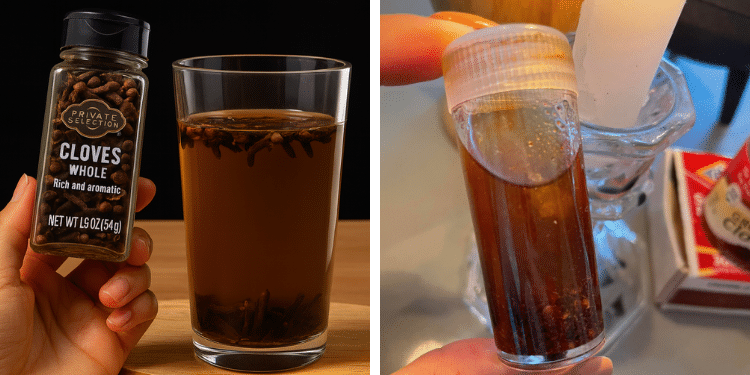
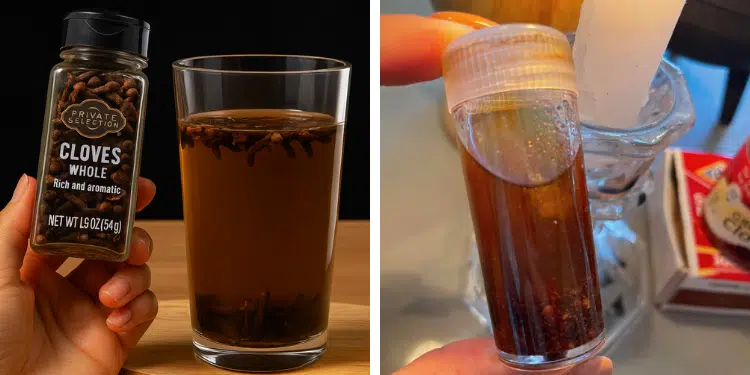
Making clove oil is surprisingly simple. The traditional method involves steeping dried cloves in a carrier oil to slowly extract the beneficial compounds.
You’ll need whole dried cloves, a mild oil such as olive, almond, coconut, jojoba, or grapeseed oil, and a clean glass jar.
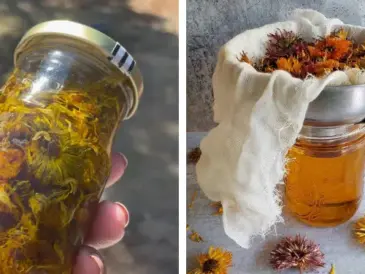
Lightly crush the cloves to release their natural oils, place them in the jar, and cover completely with your chosen oil. Seal the jar and leave it in a dark place for two to four weeks, shaking it occasionally.
The longer it infuses, the stronger it will become. When ready, strain the oil through a fine cloth or mesh and store it in a dark glass bottle.
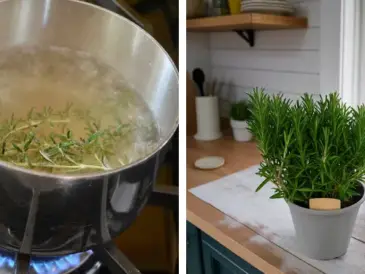
If you need clove oil immediately, you can speed up the process using a warm-infusion method. Place the cloves and oil in a heat-safe jar or double boiler and warm over low heat for one to two hours.
Avoid boiling the oil, as high heat damages the medicinal compounds. Once cooled and strained, it is ready for use.
Either method creates a potent natural remedy that can last six months to a year if properly stored in a cool, dark place.
Why Homemade Clove Oil Works So Well
The power of clove oil comes from its rich concentration of eugenol and other active plant compounds. Eugenol can numb nerve endings, making it one of the best natural pain relievers available.
It also works as a strong antibacterial and antifungal agent, which is why clove oil has been used to disinfect wounds and prevent infection for centuries.
The oil contains antioxidant compounds that reduce inflammation, accelerate healing, and support immune defense. It is a complete natural pharmacy inside a single spice.
Because homemade clove oil is infused into a carrier oil, it’s already diluted to a safer concentration than pure essential oil, making it better suited for household first-aid use such as skin application, massage, and wound care.
It remains strong enough to be effective but gentle enough to use without complicated equipment.
How to Use Clove Oil for Natural First Aid
One of the most popular uses for clove oil is toothache relief. If a sudden sharp pain strikes at night and you can’t get to a dentist, applying diluted clove oil to the affected tooth can temporarily numb the pain and reduce swelling.
Its antibacterial properties also help fight the infection within the gum or tooth. This same property makes it useful for mouth ulcers, inflamed gums, and teething discomfort in older children when properly diluted.
Clove oil is also excellent for arthritis and muscle pain. Massaging it into sore joints or stiff muscles stimulates blood flow, reduces inflammation, and eases tension.
Many people use it as a natural alternative to over-the-counter creams for back pain, neck stiffness, sciatica, and general muscular tension.
Because it increases circulation and warms the tissue, it can offer relief where conventional painkillers struggle.
As a wound disinfectant, clove oil can protect small cuts, scrapes, and bites from bacterial infection. Its antifungal properties make it helpful for athlete’s foot, nail fungus, and ringworm.
Applying it regularly can stop the spread of fungal infections while soothing irritated skin. Many natural healers use it in place of synthetic antifungal creams and ointments.
Clove oil’s benefits aren’t limited to the skin. When used in a chest rub or steam inhalation, it helps loosen mucus and open airways, making it useful for coughs, colds, and sinus congestion.
You can also massage it over the stomach to relieve bloating, gas, nausea, and digestive discomfort. In traditional medicine, clove was widely used as a remedy for indigestion, parasites, and motion sickness.
Because of its strong antiviral and antibacterial qualities, clove oil also supports immune health. Many people use it during flu season as a natural defense.
It can even be used as a household disinfectant for toothbrushes, kitchen counters, moldy corners, and germ-prone areas – all without harsh chemicals.
Why Clove Oil Belongs in Every First Aid Kit
One small bottle of clove oil replaces an entire shelf of products. It works as a painkiller, anesthetic, antiseptic, antifungal, antiviral, anti-inflammatory, and immune booster.
It offers immediate relief for tooth pain when no dentist is available, calms infections when you don’t have antibiotic ointment, relieves aching muscles after a strain, clears chest congestion during a cold, and even repels biting insects.
Unlike many herbal products, clove oil is not just folklore – it is backed by scientific research and widely used in modern medicine, especially in dentistry.
That makes it one of the rare home remedies that bridges both ancient wisdom and clinical relevance. It is strong, long-lasting, versatile, and inexpensive to make.
Because it has such a wide range of uses, clove oil can be stored in emergency kits, travel bags, camping gear, and home first aid boxes with excellent shelf stability.
Safety and Storage
Clove oil is powerful, and because of its strength, it should always be used with care. It must be properly diluted before skin application, especially for children or people with sensitive skin.
Like all herbal extracts, it should be kept away from eyes and mucous membranes. A small patch test is wise before using it on large areas.
When stored in a tightly sealed glass bottle away from heat and light, clove oil can last many months without losing potency.
Clove oil is a rare example of a traditional remedy that has never gone out of style. It is just as useful today as it was hundreds of years ago, and perhaps even more valuable now that people are rediscovering natural health solutions.
It is easy to make, inexpensive, and incredibly powerful, offering relief for pain, infection, inflammation, and discomfort all from a single homemade extract.