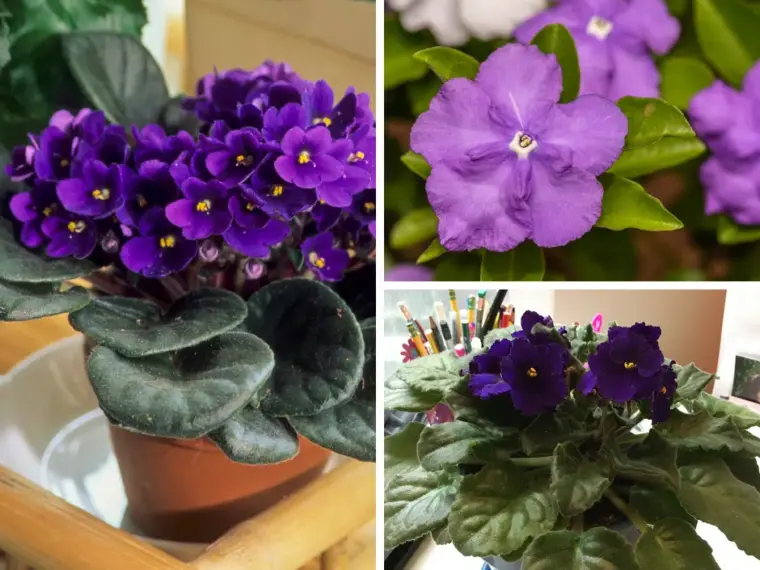
African violets (Saintpaulia) are among the most beloved houseplants worldwide. Their velvety leaves and vibrant, delicate blooms make them a favorite for windowsills and indoor gardens.
Yet, while they’re relatively easy to grow, many plant lovers struggle to get their African violets to bloom reliably and abundantly.
If your African violet sports healthy foliage but refuses to flower – or produces only a few blossoms – it’s often a sign that one or more care factors need adjustment. Fortunately, African violets are quick to respond once given the right conditions.
In this comprehensive guide, you’ll discover how to make African violets bloom beautifully, covering everything from light and watering to feeding, repotting, and special blooming tricks.
Understanding African Violet Flowering Habits
Before diving into specific care tips, it’s essential to understand how African violets naturally grow and bloom.
Native Habitat: African violets originate from the cloud forests of East Africa, where they thrive under dappled light, high humidity, and mild temperatures.
Blooming Frequency: Under ideal indoor conditions, they can bloom several times a year – or even continuously.
Bloom Duration: Individual flowers can last 2–3 weeks, and new buds often replace faded blooms when plants are well cared for.
When they’re not blooming, it’s usually due to:
- Insufficient light
- Improper watering
- Nutrient deficiencies
- Wrong soil or potting practices
- Temperature or humidity issues
Let’s explore each factor in detail.
1. Provide Bright, Indirect Light
Light is the single most important factor in getting African violets to bloom. Without enough light, they may produce abundant leaves but no flowers.
How Much Light Do African Violets Need?
- They require bright but indirect light for about 10–14 hours daily.
- Direct sunlight can scorch leaves, while low light prevents flowering.
- Leaves should appear medium green – very dark leaves may indicate insufficient light, while pale or yellowing leaves can signal excessive light.
Best Locations
North- or east-facing windows are ideal.
In low-light homes, use grow lights:
- Keep lights about 12 inches above the plant.
- Use fluorescent or LED tubes designed for plant growth.
- Provide 12–14 hours of light daily, with a dark period for rest.
Signs Your Violet Needs More Light
- Leggy or elongated leaf stems.
- No blooms for several months.
- Smaller, sparse leaves in the center.
Tip: Rotate your violet a quarter turn weekly to ensure even light exposure and symmetrical growth.
2. Water Correctly – and Avoid the Biggest Mistakes
Overwatering is the most common cause of African violet problems, including lack of blooms. Yet, underwatering can also stress the plant.
The Right Way to Water
- Soil moisture: Keep soil lightly moist but never soggy.
- Water when the top inch feels dry, or the pot feels slightly light when lifted.
- Use room-temperature water – cold water can cause leaf spots.
How to Water African Violets
Top Watering:
- Pour water gently onto the soil surface, avoiding the leaves.
- Empty saucers after 15–20 minutes to prevent root rot.
Bottom Watering:
- Place the pot in a shallow tray of water.
- Let it absorb moisture for 30 minutes.
- Discard any excess water.
Important: Avoid splashing water on leaves, which can cause spotting or crown rot.
3. Feed Your African Violet Properly
African violets are heavy feeders during blooming cycles. Without regular fertilizer, they may produce leaves but no flowers.
Best Fertilizer for African Violets
- Use a balanced formula such as 20-20-20 or one specifically for African violets.
- Look for fertilizers labeled “bloom booster” with higher phosphorus (middle number).
Feeding Schedule
- Fertilize every 2–4 weeks during active growth.
- Dilute fertilizer to ¼ or ½ strength to prevent salt buildup.
- Reduce feeding in winter if growth slows.
Signs of Nutrient Deficiency
- No blooms despite healthy leaves.
- Pale or yellowish new leaves.
- Slowed growth.
Tip: Occasionally flush the soil with plain water to prevent fertilizer salt accumulation.
4. Maintain Ideal Temperatures
Temperature extremes can halt blooming.
- African violets prefer 65–75°F (18–24°C).
- Avoid drafts, heaters, or cold windowsills.
- Sudden temperature drops below 60°F (15°C) can cause leaf damage and flower loss.
5. Keep Humidity Levels High
African violets hail from humid environments. Dry air can discourage flowering.
Boost Humidity
- Group plants together to create a humid microclimate.
- Use a room humidifier.
- Place the pot on a pebble tray filled with water (keep pot base above water level).
- Ideal humidity: 40–60%.
Avoid misting leaves directly, which may cause spotting.
6. Repot Regularly to Refresh Soil
African violets prefer slightly crowded roots – but old, compacted soil can inhibit blooming.
When to Repot
Repot every 6–12 months.
Signs you need to repot:
- Water drains too quickly or too slowly.
- Roots circling the pot.
- Soil appears crusty or hard.
How to Repot
- Use a light, airy mix: Equal parts peat moss, perlite, and vermiculite.
- Choose a pot no more than one-third the diameter of the plant’s leaf spread.
- Repot gently to avoid damaging roots.
7. Remove Spent Blooms and Yellow Leaves
Deadheading (removing old blooms) signals the plant to produce new flowers.
- Snip faded blooms with sterilized scissors.
- Remove yellow or damaged leaves.
This keeps the plant healthy and directs energy to new growth.
8. Encourage Blooming with Leaf Pruning
Sometimes African violets get “leaf bound,” producing lush leaves but few flowers.
How to Prune for Blooms
- Remove outer row of leaves (the largest, oldest leaves).
- This allows more light and airflow to the crown, encouraging flowering.
Note: Don’t remove too many leaves at once – about 2–3 per session is safe.
9. Provide a Rest Period
African violets occasionally need a break between blooming cycles.
- Reduce watering slightly for a few weeks.
- Maintain bright light.
- Resume regular care, and plants often respond with fresh blooms.
10. Propagate for New, Vigorous Plants
If your violet remains stubborn, consider propagating new plants. Young African violets tend to bloom more readily.
How to Propagate
- Take a healthy leaf cutting with 1–2 inches of stem.
- Place in water or directly into moist soil.
- Roots and new plantlets appear in 4–8 weeks.
Transplant babies into small pots once they’re large enough.
Common African Violet Blooming Problems – and Solutions
| Problem | Possible Cause | Solution |
|---|---|---|
| No blooms | Low light | Increase light exposure with grow lights or relocate to brighter spot. |
| Yellow leaves | Overwatering or salt buildup | Adjust watering and flush soil. |
| Brown leaf tips | Low humidity | Increase humidity around plant. |
| Leggy growth | Insufficient light | Provide bright indirect light. |
| Leaves curled under | Cold drafts | Move plant away from windows or AC vents. |
Advanced Tips for Encouraging African Violet Blooms
Use Epsom Salt
Magnesium sulfate can stimulate flower production.
- Mix 1 teaspoon of Epsom salt per gallon of water.
- Use monthly as a supplement.
Try Bloom Boosters
Bloom booster fertilizers have higher phosphorus content, promoting bud formation.
- Example ratio: 15-30-15.
Use sparingly to avoid overfertilizing.
Provide Gentle Air Circulation
African violets benefit from gentle airflow, preventing mold and encouraging sturdy growth.
- Use a small fan on low, not blowing directly on plants.
Frequently Asked Questions
How long does it take African violets to bloom?
Under good conditions, new plants may bloom within 8–12 months from a leaf cutting. Mature plants can bloom several times per year.
Why do African violet buds dry up before opening?
This often results from:
- Dry air.
- Sudden drafts.
- Under- or overwatering.
- Pests like thrips.
Can African violets bloom year-round?
Yes! With consistent light, warmth, and feeding, many African violets bloom continuously.
African violets are joyful houseplants, offering a burst of color even during dreary winter days.
By tuning into your plant’s needs and adjusting your care, you’ll be rewarded with vibrant flowers and a thriving, happy African violet