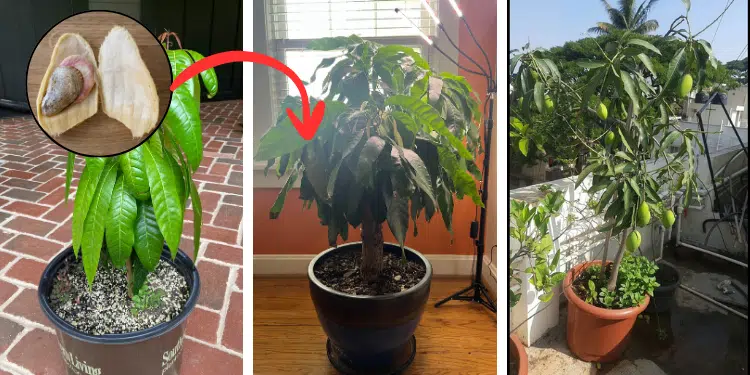
Sometimes the best gardening experiments happen by accident. One afternoon, after enjoying a perfectly ripe, juicy mango, I looked at the large pit left behind and wondered: “Could I grow this into a plant?”
On a whim, I cleaned the seed, tried a simple germination trick, and tucked it into a pot of soil. Weeks later, a sprout emerged.
Months later, I had a thriving, leafy mango houseplant that filled my living room with lush greenery and a faint tropical scent.
Growing a mango from seed might sound complicated, but it’s surprisingly easy – and incredibly rewarding.
You don’t need special tools, expensive soil mixes, or advanced gardening knowledge. All you need is a fresh mango, a bit of patience, and the method I’m about to share.
Why Grow Mango From a Seed?
Before I dive into the how-to, let’s talk about the why. Why bother planting a mango seed at all?
- It’s free: Every mango you eat contains a seed. Instead of tossing it, you can recycle it into a plant.
- It’s fun: Watching a large pit transform into a green sprout feels like magic. It’s a great project for kids or beginner gardeners.
- It’s decorative: Mango seedlings make beautiful indoor houseplants, even in cooler climates where they may never fruit.
- It’s rewarding: If you live in a tropical or subtropical climate, your seed-grown mango tree may eventually bear fruit. Even if it doesn’t, you’ll have a gorgeous tree to enjoy.
Understanding the Mango Seed
A mango seed isn’t like a small apple or orange seed – it’s encased in a large, woody husk. Inside that husk lies the actual seed, which looks a bit like a giant bean.
There are two main types of mango seeds:
- Monoembryonic (common in Indian varieties): These produce one seedling. The plant may be genetically different from the parent, meaning the fruit might not taste exactly the same.
- Polyembryonic (common in Southeast Asian varieties): These produce multiple sprouts. Some of these are clones of the parent, which means they will grow fruit that’s true to type.
The good news? Both types will grow into healthy plants.
Step 1: Preparing the Mango Seed
After eating the mango, you’ll be left with a slippery, fibrous pit.
Here’s how to prepare it:
- Clean thoroughly: Wash off as much flesh as possible. Leftover fruit can attract mold.
- Dry slightly: Let the pit air-dry for a few hours so it’s easier to handle.
- Open the husk: Using a knife or scissors, carefully split open the tough outer husk. Inside, you’ll find the seed – plump, pale, and bean-like.
Some people plant the whole husk, but opening it speeds up germination significantly.
Step 2: The Easy Germination Method
This is the step that made the difference for me – the paper towel method.
- Dampen a paper towel: Moisten (don’t soak) a clean paper towel.
- Wrap the seed: Place the seed inside the towel and fold it over.
- Seal it: Put the wrapped seed inside a resealable plastic bag or airtight container.
- Provide warmth: Store in a warm, dark place. Mango seeds like temperatures between 70–85°F (21–29°C).
- Check regularly: Open every 2–3 days to check for mold and ensure the towel stays damp.
Within 1–3 weeks, you should see a root emerging – the first sign that your mango seed has sprouted.
Step 3: Planting the Sprouted Seed
Once your mango seed has produced a root and a shoot, it’s time to plant.
- Pot choice: Start with a small pot (6–8 inches wide) with good drainage.
- Soil: Use a well-draining potting mix – a blend of compost, sand, and perlite works well.
- Orientation: Plant the seed with the root facing down and the sprout facing up.
- Depth: Cover with about 1 inch of soil.
- Watering: Water thoroughly after planting, then keep the soil lightly moist (not soggy).
Within a week or two, you’ll see green leaves begin to unfurl.
Step 4: Caring for Your Mango Plant
Now comes the fun part: watching your mango plant grow. Here’s what I learned while caring for mine.
Light
- Mango plants love sun. Place your pot in the brightest window you have (south-facing if possible).
- Outdoors in warm months is even better – just acclimate the plant gradually to avoid leaf burn.
Watering
- Water deeply but allow the top 1–2 inches of soil to dry between waterings.
- Overwatering can cause root rot.
Temperature
- Mango plants thrive in warmth. Keep them above 60°F (15°C).
- Protect from drafts and cold windowsills in winter.
Fertilizing
- Feed monthly with a balanced liquid fertilizer during spring and summer.
- Reduce or stop feeding in fall and winter when growth slows.
Repotting
- Mangoes grow quickly. Move to a larger pot every year until it reaches a manageable size.
- If you live in a tropical region, you can eventually plant it outdoors.
Step 5: Long-Term Growth and Fruiting
Will your mango plant ever produce fruit? The answer depends on your climate and patience.
- Seed-grown mango trees take 5–8 years to produce fruit.
- In containers or non-tropical climates, fruiting is less likely, but the plant will still thrive as an ornamental.
- For earlier fruit production, grafting a seedling with a mature mango branch is the standard practice.
Even without fruit, your mango houseplant will provide lush greenery and a subtle tropical scent that brightens your home.
Troubleshooting Common Problems
- Yellowing leaves: Often due to overwatering or poor drainage.
- Slow growth: Could mean insufficient light or nutrients.
- Brown leaf tips: Usually from dry air indoors – mist occasionally or use a humidity tray.
- Pests: Watch for aphids, mealybugs, or scale. Neem oil or insecticidal soap works well.
Why This Method Really Works
Many people toss mango seeds into soil and wait weeks with no results.
The paper towel germination method works because:
- The seed stays consistently moist.
- Warmth speeds up root development.
- You can monitor progress and catch problems like mold early.
By the time you plant your seedling in soil, it already has a head start.
Mango Plant Care by Season
To make things easier, here’s a seasonal care calendar:
Spring
- Start fertilizing monthly.
- Move outdoors when nights stay above 60°F.
- Repot if roots fill the container.
Summer
- Provide full sun (outdoors if possible).
- Water regularly during active growth.
- Watch for pests.
Fall
- Reduce fertilizer.
- Begin moving the plant indoors as temperatures cool.
- Prune lightly to shape if needed.
Winter
- Keep indoors in a bright window.
- Water sparingly – growth slows in cooler, shorter days.
- Protect from cold drafts.
The Joy of Growing Mango at Home
What started as a casual experiment for me turned into a daily source of joy. There’s something deeply satisfying about watching a tropical plant thrive in your own home, knowing it started from a simple fruit you enjoyed.
Each new leaf feels like a victory. Each burst of green reminds you of the life and beauty hidden inside what most people throw away.
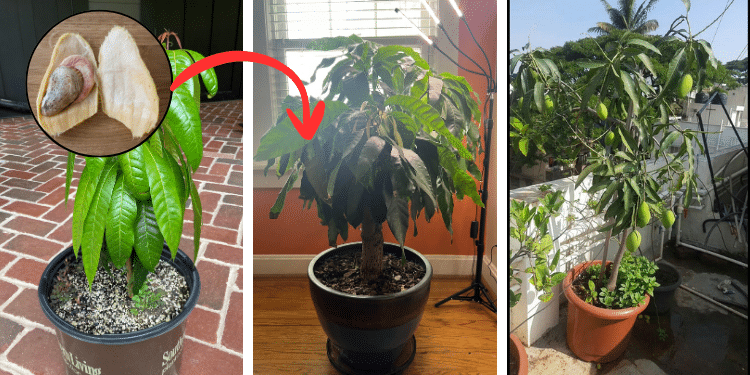
And who knows? In a few years, your mango plant might surprise you with blossoms and fruit. Until then, it will fill your home with lush foliage and the sweet reminder of tropical sunshine.
If you’ve ever looked at a mango seed and wondered what would happen if you planted it – now you know. With this easy germination method, you can turn a discarded pit into a thriving plant.