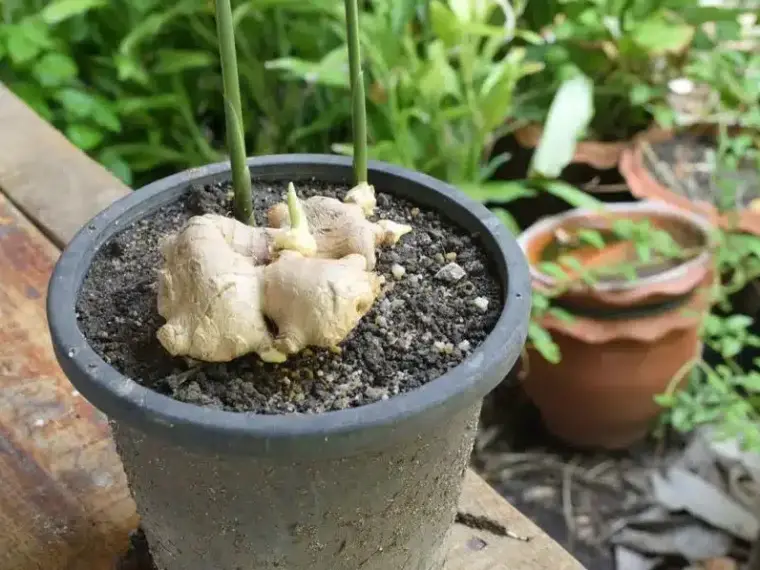
Ginger, with its vibrant flavor and numerous health benefits, is a versatile root that you can grow right at home, regardless of your climate.
Whether you live in a tropical region or an area with colder winters, this guide will teach you how to grow ginger successfully.
Follow these step-by-step instructions to cultivate fresh ginger in your garden, on your balcony, or even indoors.
Why Grow Ginger at Home?
Growing ginger at home offers numerous benefits:
- Freshness: Enjoy the unmatched flavor of freshly harvested ginger.
- Health Benefits: Ginger is rich in antioxidants, anti-inflammatory compounds, and essential nutrients.
- Cost-Effective: Homegrown ginger is more economical than store-bought options.
- Sustainability: Reduce waste by growing and harvesting only what you need.
Understanding Ginger’s Growth Requirements
To grow ginger successfully, you need to understand its basic requirements:
- Temperature: Ginger thrives in warm temperatures between 75°F and 85°F (24°C to 29°C).
- Light: Prefers indirect sunlight or partial shade.
- Soil: Needs well-draining, nutrient-rich soil with a pH between 5.5 and 6.5.
- Water: Requires consistent moisture but cannot tolerate waterlogged conditions.
- Time: Ginger takes 8 to 10 months to mature.
Choosing the Right Ginger Root
To start growing ginger, you’ll need a healthy rhizome (the ginger root). Follow these tips when selecting ginger:
- Look for plump, firm rhizomes with visible “eyes” or buds.
- Avoid shriveled or moldy ginger.
- Choose organic ginger if possible to avoid chemicals that may inhibit sprouting.
Pro Tip:
Soak the ginger root in warm water overnight before planting to encourage sprouting.
Planting Ginger Outdoors
If you live in a tropical or subtropical climate, ginger can be grown outdoors with ease. Here’s how:
- Prepare the Soil: Loosen the soil to a depth of 12 inches and mix in compost or well-rotted manure.
- Plant the Ginger: Place the rhizome 2-4 inches deep with the buds facing upward. Space each piece about 12 inches apart.
- Water Regularly: Keep the soil consistently moist but not waterlogged.
- Mulch: Add a layer of mulch to retain moisture and regulate soil temperature.
- Fertilize: Use a balanced organic fertilizer every few weeks to promote healthy growth.
Growing Ginger in Colder Climates
In regions with cold winters, ginger must be grown in containers or indoors. Follow these steps:
- Choose a Container: Use a wide, shallow pot with drainage holes. Ginger’s roots spread horizontally.
- Prepare the Soil: Fill the pot with a loose, well-draining potting mix enriched with compost.
- Plant the Ginger: Place the rhizome 1-2 inches deep with the buds facing up.
- Provide Warmth: Keep the pot in a warm, humid location with indirect sunlight.
- Water Consistently: Ensure the soil remains moist but not soggy.
Moving Indoors for Winter
If growing outdoors in colder climates, move your ginger indoors before the first frost. Keep it in a warm spot, such as near a sunny window or under grow lights.
Caring for Ginger Plants
- Watering: Keep the soil moist but avoid overwatering to prevent rot.
- Fertilizing: Feed the plant with an organic fertilizer every 4-6 weeks.
- Pest Control: Watch for pests like spider mites and aphids. Use natural remedies such as neem oil if needed.
- Pruning: Remove any yellowing leaves to redirect energy to the growing rhizome.
Harvesting Ginger
Ginger can be harvested partially after 4-6 months for younger, tender roots or left to mature fully at 8-10 months. Follow these steps:
- Loosen the soil around the plant gently.
- Remove the rhizomes as needed, leaving some in the soil to continue growing.
- Wash and dry the harvested ginger before storing.
Storing Ginger
- Short-Term: Store fresh ginger in the refrigerator for up to three weeks.
- Long-Term: Freeze ginger for several months or dehydrate it for powdering.
Common Challenges and Solutions
- Slow Sprouting: Ensure the rhizome has healthy buds and the soil temperature is warm enough.
- Yellow Leaves: Check for overwatering, poor drainage, or nutrient deficiencies.
- Root Rot: Avoid waterlogging and ensure proper drainage.
Final Tips for Success
- Start planting in early spring for the best results.
- Rotate the pot or garden bed periodically to ensure even growth.
- Be patient—ginger is a slow-growing plant but well worth the wait.
By following these guidelines, you can grow ginger no matter where you live and enjoy its fresh flavor and health benefits year-round.
Whether you’re an experienced gardener or a beginner, ginger is a rewarding plant to cultivate at home.