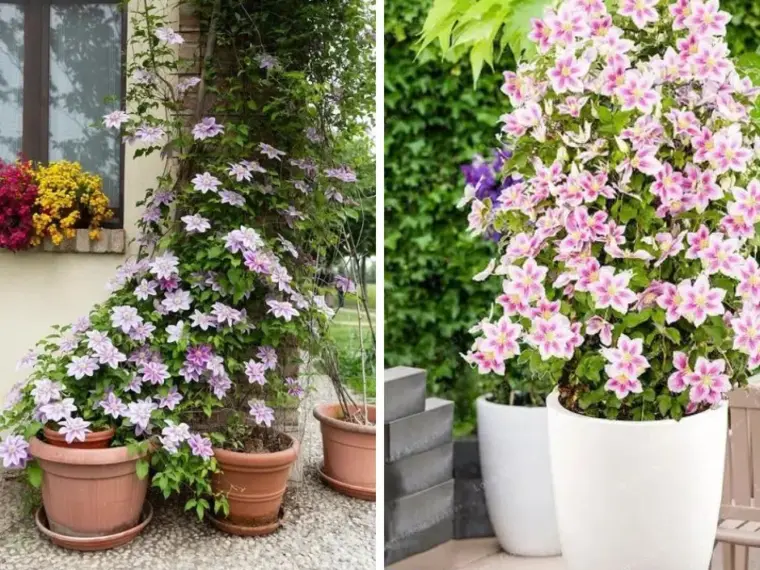
Clematis is known as the queen of climbers for good reason. This elegant vine graces gardens and patios with breathtaking blooms in every shade imaginable – vivid purples, bold reds, delicate pinks, and snowy whites.
While often grown in the ground, clematis thrives equally well in containers if given the right conditions.
Growing clematis in a pot is a perfect solution for gardeners with small spaces, patios, balconies, or even renters who want spectacular flowers without permanent landscaping.
Why Grow Clematis in a Pot?
Clematis in containers offers several advantages:
- Space-saving beauty – perfect for balconies, patios, and small gardens.
- Mobility – move pots to ideal sun exposure or shelter from harsh weather.
- Soil control – grow clematis even in places with poor native soil.
- Decorative value – stunning focal points for outdoor spaces.
- Reduced risk of diseases like wilt and root problems found in garden beds.
Choosing the Right Clematis Variety for Pots
While many clematis varieties can be grown in pots, some perform better in containers than others. Compact, less-vigorous types are ideal because they’re easier to manage in confined spaces.
Best Clematis Varieties for Pots
- Clematis ‘The President’ – deep purple flowers, blooms twice a season.
- Clematis ‘Nelly Moser’ – large pale pink flowers with a magenta stripe.
- Clematis ‘Miss Bateman’ – compact, white blooms, early-flowering.
- Clematis ‘Piilu’ – double blooms in spring, single blooms later.
- Clematis ‘Arabella’ – small but prolific violet-blue flowers.
- Clematis ‘Josephine’ – dramatic double pink blooms.
- Clematis ‘Jackmanii’ – vibrant violet-purple blooms, moderately vigorous.
When selecting a variety, consider:
- Mature height and spread
- Bloom time (spring, summer, or autumn)
- Sun exposure requirements
- Flower size and color
Compact clematis varieties generally reach 4-8 feet tall and are much easier to train in containers.
Choosing the Right Container
Clematis roots like cool, spacious environments. A suitable pot is critical for healthy growth.
Pot Size
- Minimum diameter: 18–24 inches
- Depth: at least 18 inches
A deep pot ensures plenty of room for root development and stabilizes the plant.
Pot Material
- Terracotta: Breathable but dries out quickly; use with care in hot climates.
- Plastic or resin: Lightweight and retains moisture better.
- Ceramic: Attractive but heavier and less mobile.
- Wooden barrels: Excellent for large clematis varieties.
Ensure the pot has adequate drainage holes to prevent waterlogging.
Potting Mix for Clematis
Clematis prefers:
- Well-draining soil
- Moisture retention without becoming soggy
- Slightly alkaline to neutral pH (6.5–7.0)
Best Mix
- 2 parts quality potting soil
- 1 part compost or well-rotted manure
- 1 part perlite or horticultural grit for drainage
Consider adding a handful of slow-release fertilizer at planting time.
Planting Clematis in a Pot
Step-by-Step Guide
Prepare the Pot:
- Ensure drainage holes are clear.
- Place crocks or gravel at the bottom for improved drainage.
Fill Halfway: Add prepared potting mix, leaving enough room for the root ball.
Plant Deep: Clematis should be planted about 2–3 inches deeper than it was in its nursery pot. Burying part of the stem helps prevent clematis wilt.
Backfill Gently: Fill in soil around the root ball, firming lightly.
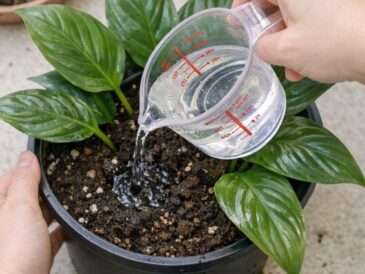
Water Thoroughly: Water until it drains freely from the bottom.
Mulch Surface: Add a layer of pebbles, bark, or even shallow-rooted plants like annuals to shade the soil and keep roots cool.
Sunlight Requirements
Most clematis varieties thrive in:
- Full sun to partial shade
- Ideally, at least 6 hours of sunlight daily
However, the roots like to stay cool. This is why you’ll often hear:
“Clematis likes its head in the sun and its feet in the shade.”
Position pots where the top receives bright light, but shade the pot base with other plants, decorative mulch, or by placing pots strategically.
Watering Clematis in Containers
Clematis in pots dry out faster than those in the ground. Consistent moisture is crucial.
- Water when the top inch of soil feels dry.
- During hot weather, you may need to water daily.
- Reduce watering slightly during winter dormancy.
Always water at the base, not over the foliage, to avoid disease.
Feeding Clematis
Container-grown clematis uses up soil nutrients quickly.
- Early spring: Apply a balanced slow-release fertilizer (e.g., 10-10-10).
- During growth: Feed every 4-6 weeks with liquid fertilizer high in potash to encourage blooms.
- Stop feeding by late summer to allow the plant to slow growth naturally before dormancy.
Supporting Your Clematis
Clematis is a climbing vine and needs something to cling to.
In pots, use:
- Trellises placed directly in the pot
- Bamboo stakes arranged in a teepee shape
- Decorative obelisks
- Wires attached to a wall or balcony railing
Tie stems gently with soft ties as they grow to guide their climb.
Pruning Clematis in Pots
Pruning needs vary depending on clematis type:
Group 1 (Spring-flowering)
- Bloom on old wood.
- Prune lightly after flowering.
- Remove weak or dead stems.
Group 2 (Repeat bloomers)
- Bloom on old and new wood.
- Light prune in spring to tidy.
- Remove dead or weak stems.
Group 3 (Late-flowering)
- Bloom on new wood.
- Cut back hard to 12–18 inches in early spring.
Always identify your clematis group to prune correctly.
Overwintering Clematis in Containers
Clematis in pots are more vulnerable to freezing temperatures than those in the ground.
- Group pots together for insulation.
- Wrap pots with bubble wrap or horticultural fleece.
- Move pots to sheltered areas against a house wall.
- Reduce watering, but don’t let soil dry out completely.
Common Problems and Solutions
Clematis Wilt
- Rapid wilting of entire stems.
- Solution: Cut affected stems to the base. Planting deeper helps reduce the risk.
Yellowing Leaves
- Often a sign of nutrient deficiency.
- Solution: Feed regularly and ensure proper drainage.
Root Rot
- Overwatering or poor drainage.
- Solution: Check drainage holes, use airy potting mix, don’t water excessively.
Pests
- Aphids, slugs, and spider mites may attack.
- Solution: Inspect regularly. Treat with insecticidal soap or remove pests by hand.
Beautiful Companion Plants
Pairing clematis with shallow-rooted plants can help keep the soil cool while adding color:
- Violas and pansies
- Alyssum
- Trailing lobelia
- Small ornamental grasses
- Sweet alyssum
Avoid planting deep-rooted or thirsty companions that compete with clematis roots.
Decorating with Potted Clematis
Potted clematis is incredibly versatile:
- Frame a patio doorway with trellised vines.
- Add height to balcony railings.
- Use as a flowering focal point on decks.
- Mix clematis with other flowering container plants for stunning combinations.
Benefits of Growing Clematis in Pots
- Beautiful blooms for small spaces.
- Ability to move pots for the best sun or protection.
- Easier disease management and soil control.
- Adds vertical interest to patios and balconies.
- Allows non-garden owners to enjoy clematis.
Growing clematis in a pot brings spectacular color and elegance to even the smallest garden or balcony.
By choosing the right variety, pot, and care routine, you can enjoy this stunning climber’s blooms season after season.