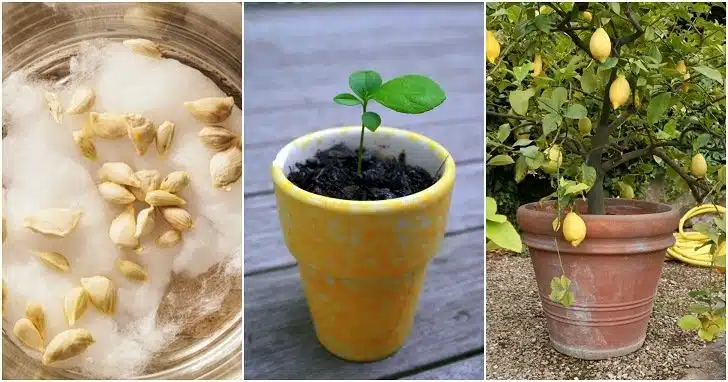
There’s nothing quite like the fresh, tangy scent of lemons – especially when they come from your own tree.
While lemon trees (Citrus limon) are typically grown in warm, sunny climates, you don’t need to live in California or the Mediterranean to enjoy a giant, fruit-bearing lemon tree.
With the right techniques, you can grow a thriving, oversized lemon tree almost anywhere, whether indoors in a container or outdoors in cooler regions.
Why Grow a Lemon Tree?
- Fresh, homegrown lemons year-round
- Attractive foliage and fragrant blooms
- Air-purifying and ornamental indoors
- Long-living and self-pollinating (most varieties)
- Therapeutic gardening experience with edible rewards
Can You Really Grow a Giant Lemon Tree Anywhere?
Yes – but your approach will vary depending on your climate:
- Warm zones (9–11): Grow directly in the ground for maximum size.
- Cool or cold zones (4–8): Use containers and bring indoors for winter.
- Apartments/urban settings: Grow dwarf varieties indoors with supplemental lighting and proper pruning.
With proper care, even potted lemon trees can grow 5–8 feet tall and produce full-size fruit.
Step 1: Choose the Right Lemon Variety
Some lemon trees grow better indoors, while others are ideal for outdoors or large containers.
Best Varieties for Indoor or Container Growth:
- Improved Meyer Lemon: Compact, prolific, and sweet-tasting. Great for pots and colder zones.
- Ponderosa Lemon: Produces massive, grapefruit-sized lemons. Best for warm climates or heated greenhouses.
- Eureka Lemon: Classic tart flavor, good for in-ground or large containers.
- Lisbon Lemon: Vigorous and cold-tolerant, perfect for outdoor giant trees in zones 9–11.
Tip: For container growing, choose a dwarf or semi-dwarf rootstock to manage height while maximizing fruiting potential.
Step 2: Pick the Perfect Location
Outdoor Location:
- Full sun: 6–8 hours minimum
- Sheltered from strong wind
- Well-draining soil with slight acidity (pH 5.5–6.5)
Indoor Location:
- Brightest south-facing window
- Avoid cold drafts or dry air near vents
- Supplemental grow lights if light is limited
Step 3: Prepare the Right Soil
Lemon trees require well-draining, loose, and slightly acidic soil.
For ground planting:
- Mix compost, sand, and perlite into native soil.
- Amend with peat moss or sulfur if your soil is alkaline.
For containers:
Use a citrus-specific potting mix or make your own:
- 2 parts peat moss
- 1 part perlite
- 1 part coarse sand
- Optional: add compost or worm castings
Step 4: Choose a Large Pot (For Container Growing)
A lemon tree needs space for roots to expand.
Best Pot Size:
- Start with a 5-gallon container for young trees
- Graduate to a 15- to 25-gallon pot for full-sized growth
Features:
- Drainage holes are a must
- Terracotta, ceramic, or heavy plastic pots are ideal
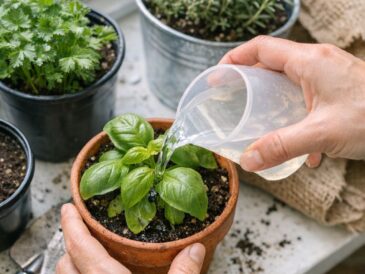
Step 5: Water Properly
Lemon trees hate soggy soil but need consistent moisture, especially when growing.
Watering Tips:
- Allow top 1–2 inches of soil to dry before watering
- Deep water the soil until it drains
- Never let the tree sit in water
- Reduce watering in winter
Signs of Overwatering:
- Yellowing leaves
- Leaf drop
- Root rot
Signs of Underwatering:
- Wilted, curled leaves
- Dry soil pulling away from the pot edges
Step 6: Feed Your Lemon Tree
Lemon trees are heavy feeders and need regular nutrition to grow large and fruit well.
Best Fertilizer: Use a citrus-specific fertilizer high in nitrogen, with micronutrients like magnesium, zinc, and iron.
Schedule:
- Spring to early fall: Feed every 4–6 weeks
- Winter: Reduce or stop feeding when tree goes semi-dormant
Organic Alternatives:
- Fish emulsion
- Compost tea
- Aged manure (lightly mixed in)
Step 7: Prune for Size and Strength
Proper pruning is essential to grow a giant but manageable lemon tree.
When to Prune:
- Late winter to early spring
- After major harvests
How to Prune:
- Remove suckers (growth from rootstock)
- Trim dead or diseased branches
- Cut crossing or inward-facing branches
- Shape the tree to allow light into the center
- Pinch tips of fast-growing stems to encourage bushier growth
Tip: Don’t remove more than 20% of the canopy at once.
Step 8: Support Pollination
Lemon trees are self-pollinating, but indoor trees may need a little help.
How to Hand-Pollinate (Indoors):
- Use a soft paintbrush or cotton swab
- Gently transfer pollen from one bloom to another
- Do this daily when flowers are open
For outdoor trees, bees and pollinators do the job naturally.
Step 9: Overwintering Lemon Trees (Cold Climates)
If you live in zones 4–8, bring your lemon tree indoors before frost.
Before Bringing Indoors:
- Check for pests like scale or spider mites
- Rinse leaves and let them dry
- Gradually transition over 1–2 weeks to reduce shock
Indoors During Winter:
- Keep near a bright window or use grow lights
- Reduce watering (but don’t let it fully dry out)
- Stop fertilizing until spring
- Maintain humidity with a pebble tray or humidifier
Step 10: Pest and Disease Management
Common Pests:
- Aphids
- Scale insects
- Spider mites
- Whiteflies
Natural Solutions:
- Neem oil spray
- Insecticidal soap
- Rinse leaves with water
- Encourage ladybugs outdoors
Common Diseases:
- Root rot (from overwatering)
- Sooty mold (often from scale or aphids)
- Leaf spot or yellowing from poor drainage or nutrient deficiency
Bonus Tips for Faster Growth and Bigger Lemons
- Rotate your tree weekly indoors to ensure even growth
- Mulch around the base to retain moisture and suppress weeds
- Stake young trees to encourage vertical growth
- Pinch new growth to encourage more side branching and leaves
Harvesting Lemons
Lemons typically take 6–9 months to mature after flowering.
How to Know They’re Ready:
- Color: Fully yellow (or greenish-yellow for Meyer)
- Texture: Slight give when squeezed
- Taste: Slightly tangy, not overly sour
To harvest: Twist gently or cut with pruning shears. Don’t yank!
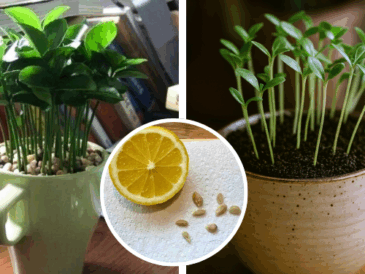
Growing a Lemon Tree From Seed (Optional Method)
While growing from seed is possible, it takes years to bear fruit and may not grow true to type. For faster, larger trees, start with a grafted nursery plant.
If growing from seed:
- Dry fresh lemon seeds for 1–2 days
- Start in a damp paper towel inside a plastic bag
- Once sprouted, plant in small pots
- Be patient – seedlings take 5–7 years to fruit
Frequently Asked Questions
Can lemon trees survive frost?
No. Lemon trees are not frost-tolerant. In colder zones, grow in containers and bring indoors before the first frost.
How long does it take for a lemon tree to produce fruit?
Grafted lemon trees typically fruit within 2–3 years. Seed-grown trees can take 5–7 years or more.
Why are the leaves turning yellow?
Usually caused by:
- Overwatering
- Nutrient deficiency (especially nitrogen or iron)
- Poor drainage
- Lack of sunlight
Can I grow a lemon tree in an apartment?
Yes. Choose a dwarf Meyer lemon tree, provide plenty of light, use a large container, and prune regularly.
You don’t need a tropical climate to grow a giant, fruitful lemon tree.
Whether you live in a city apartment or a snowy rural town, with the right setup, soil, pruning techniques, and care, you can enjoy the lush green foliage, fragrant blossoms, and bright yellow fruit of your very own lemon tree year after year