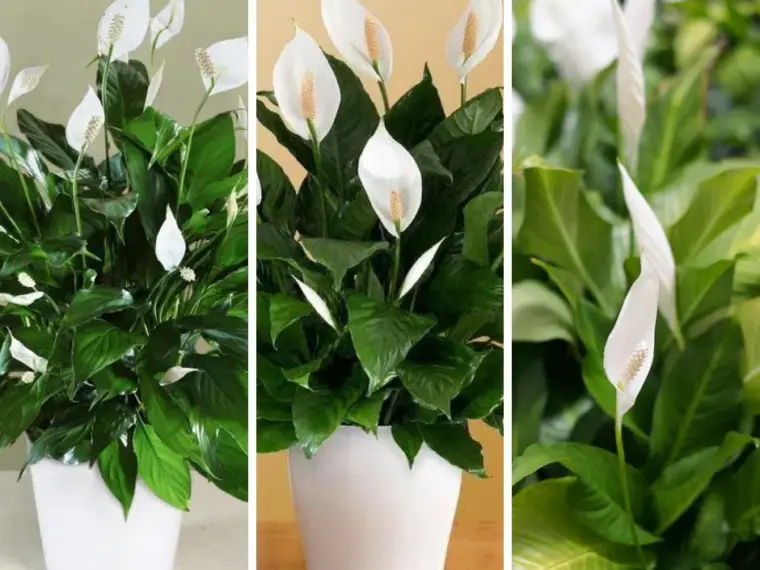
Peace lilies (Spathiphyllum spp.) are among the most beloved indoor plants for good reason – their lush green foliage and striking white blooms add elegance to any room, while their ability to thrive in low light makes them a top choice for beginners and seasoned plant lovers alike.
But if you’ve owned a peace lily for more than a few months, you may have noticed something frustrating: those gorgeous blooms don’t last forever, and sometimes, they’re slow to return.
The good news? With the right care – and one powerful blooming trick – you can encourage your peace lily to produce more flowers, more often, and even keep it blooming almost year-round.
Understanding the Peace Lily’s Blooming Cycle
Before we jump into solutions, it’s important to know how peace lilies bloom naturally.
Peace lilies are tropical plants native to the rainforest floors of Central and South America.
In their natural environment, they bloom seasonally – typically during spring and early summer – when light, temperature, and humidity are optimal.
The white “flowers” you see aren’t technically petals, but spathes, a modified leaf that surrounds the plant’s small, spike-like cluster of flowers (the spadix).
Blooming Facts:
- Typical bloom period: Spring to early summer
- Each bloom can last 6–8 weeks
- After blooming, the plant rests before sending up new flowers
- Indoor plants may bloom twice a year – but with the right care, this can be increased
Why Your Peace Lily Isn’t Blooming
If your peace lily has stopped producing flowers for months, one or more of these factors could be the cause:
- Insufficient Light – Peace lilies can survive in low light, but they need bright, indirect light to produce blooms. Without enough light, they focus on growing leaves instead of flowers.
- Overwatering or Underwatering – Both extremes cause stress, which diverts energy away from flowering.
- Nutrient Deficiency – If the soil lacks phosphorus – the nutrient responsible for flower production – your plant will produce foliage but few blooms.
- Incorrect Temperature – Peace lilies prefer temperatures between 65–80°F (18–27°C). Consistent exposure to cold drafts or excessive heat can delay blooming.
- Age of the Plant – Young plants may take time to mature before producing their first flowers.
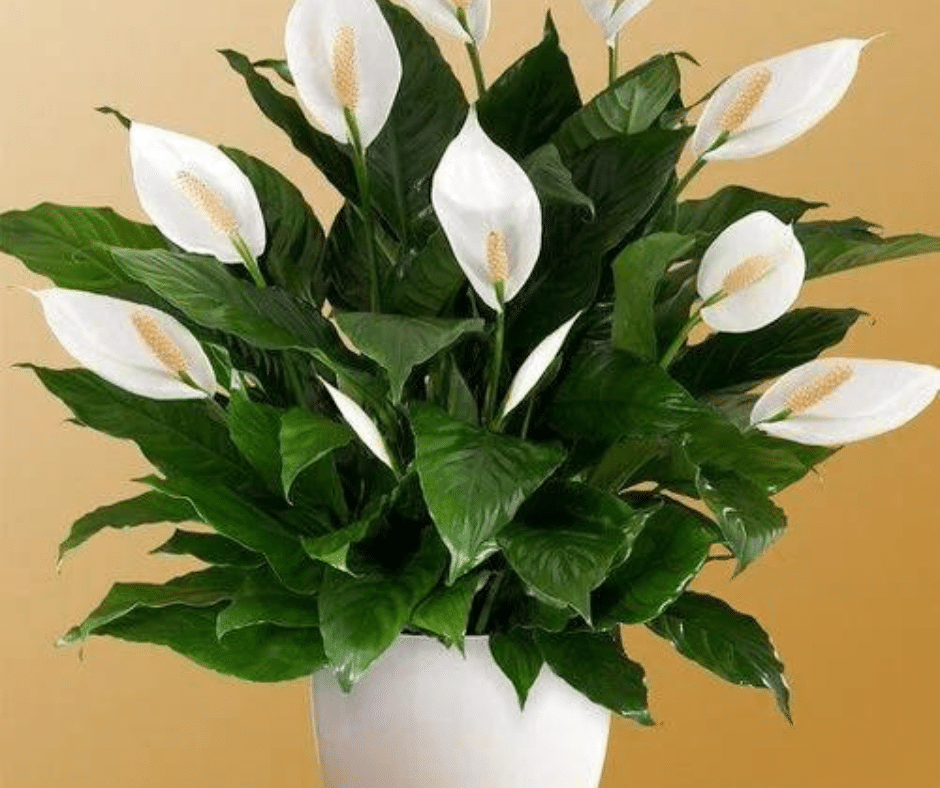
How to Get Peace Lilies to Bloom More Often
1. Ensure Bright, Indirect Light
While peace lilies tolerate low light, they won’t bloom without sufficient brightness. Their natural environment offers bright but filtered light – think sunlight filtered through jungle foliage.
What to Do:
- Place your plant near an east- or north-facing window.
- Avoid direct sun, which can scorch the leaves.
- If your home has limited natural light, supplement with a full-spectrum grow light for 6–8 hours per day.
Pro Tip: Watch your plant’s leaves – if they’re dark green but no blooms appear, it may need more light.
2. Water Correctly and Maintain Moisture Balance
Peace lilies are sensitive to both drought and overwatering. Either extreme can disrupt blooming.
What to Do:
- Water when the top 1–2 inches of soil feel dry.
- Use a pot with drainage holes to prevent soggy soil.
- Water deeply, allowing excess to drain out.
Humidity Tip: Peace lilies love humidity. Misting, grouping with other plants, or using a pebble tray can boost moisture levels around the plant.
3. Feed Regularly With a Balanced Fertilizer
In nature, peace lilies benefit from nutrient-rich leaf litter. Indoors, they need supplemental feeding to thrive and bloom.
What to Do:
- Use a balanced fertilizer (like 20-20-20) diluted to half strength.
- Feed every 6–8 weeks during spring and summer.
- Pause feeding during fall and winter when growth slows.
Watch Out: Avoid over-fertilizing – salt buildup can harm roots. If you see brown leaf tips, flush the soil with water to wash out excess minerals.
4. Keep Temperatures Warm and Stable
Temperature plays a crucial role in triggering blooming. Sudden drops in temperature can halt flower production.
What to Do:
- Maintain a consistent room temperature between 65–80°F (18–27°C).
- Avoid drafts, radiators, or cold window sills.
Tip: Use a thermometer in colder months to ensure nighttime temperatures don’t drop below 55°F (13°C).
5. Prune Regularly to Stimulate Growth
Deadheading (removing spent flowers) and trimming damaged foliage helps the plant redirect energy to new growth and potential blooms.
What to Do:
- Use sterilized scissors to remove spent blooms at the base.
- Prune yellow or brown leaves to reduce stress.
Timing Tip: Prune during the active growing season for best results.
6. Repot Every 1–2 Years to Prevent Crowding
Over time, peace lilies become root-bound. When roots have no space to expand, nutrient absorption drops – leading to fewer or no flowers.
What to Do:
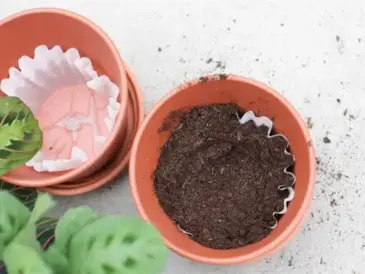
- Repot in spring every 1–2 years.
- Choose a container 1–2 inches larger in diameter than the current pot.
- Use a well-draining mix – ideal ingredients include peat moss, perlite, and pine bark.
Warning: Don’t jump to a very large pot, which can cause water retention and root rot.
7. Boost Humidity to Mimic the Tropics
Peace lilies evolved in the steamy jungles. Low indoor humidity – especially in winter – can stunt growth and prevent blooming.
What to Do:
- Use a humidifier nearby if the air is dry.
- Mist the leaves lightly every few days.
- Place the pot on a humidity tray with water and pebbles.
Caution: Don’t mist directly on the flowers – excess moisture may lead to fungal issues.
8. Try Epsom Salt for Extra Bloom Encouragement
Epsom salt (magnesium sulfate) supports chlorophyll production and flower development. It’s a favorite trick among experienced houseplant growers.
How to Use:
- Dissolve 1 tablespoon of Epsom salt in 1 gallon of water.
- Water your plant with this solution once a month during spring and summer.
Important: Use Epsom salt as a supplement – not a replacement – for regular fertilizer.
9. Provide Space and Rotate Regularly
Crowded or poorly positioned plants can become lopsided and struggle to photosynthesize properly.
What to Do:
- Allow enough space around your peace lily for air circulation.
- Avoid placing it too close to walls or furniture.
- Rotate the pot every few weeks for even exposure to light.
Bonus Tip: Dust the leaves gently with a damp cloth. Clean leaves absorb light better and improve photosynthesis.
10. Encourage Blooming With a Flowering Trigger
If all care factors are in place and your plant still doesn’t bloom, you can try a bloom stimulant or hormone.
Try This:
- Some growers have success with diluted gibberellic acid (a natural plant hormone) to promote flowering.
- Alternatively, expose the plant to a slight dry period (without wilting) followed by a thorough watering to mimic seasonal cues.
Note: These techniques should only be used occasionally and with caution.
Bonus Trick: Homemade Fertilizer for Nonstop Blooms
One of the easiest ways to boost peace lily flowering is to feed it with a gentle, phosphorus-rich homemade fertilizer every month during the growing season. This not only saves money but also avoids the risk of chemical over-fertilization.
Coffee Grounds Bloom Booster
Coffee grounds are a fantastic natural source of phosphorus, potassium, and a small amount of nitrogen — all essential for flowering. Used correctly, they can give your peace lily the nutrients it needs to keep sending up those white blooms.
How to Use:
- Collect used coffee grounds and spread them out on a tray to dry completely (to prevent mold).
- Once dry, sprinkle 1–2 tablespoons over the surface of the soil every 4–6 weeks.
- Lightly mix the grounds into the top inch of soil, then water as usual.
Why It Works:
- Phosphorus in coffee grounds supports flower production.
- Potassium strengthens plant cells, helping blooms last longer.
- Slow-release nutrients feed the plant gradually, avoiding fertilizer burn.
Extra Tip: Combine coffee grounds with a teaspoon of crushed eggshells (rich in calcium) for stronger leaves and stems, which support larger flowers.
Common Blooming Problems and Solutions
Problem: Healthy foliage but no flowers
Solution: Increase light and switch to a phosphorus-rich fertilizer.
Problem: Blooms turn green quickly
Solution: Reduce light intensity slightly – too much light can cause green spathes.
Problem: Flowers droop prematurely
Solution: Check watering schedule; drooping is often due to dehydration or root stress.
A happy, blooming peace lily isn’t just beautiful; it also improves air quality and brings a sense of calm to your home.
Start applying these tips today, and your plant will thank you with lush green leaves and elegant white flowers for months on end.