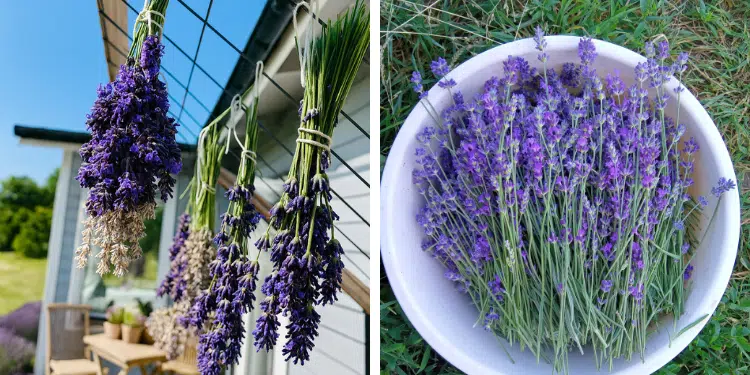
Lavender is one of the most beloved plants in the world – cherished for its calming scent, its beautiful purple blooms, and its countless uses in natural wellness.
But beyond aromatherapy and pretty bouquets, lavender has a long history as a garden protector. One of the oldest traditions in herbal gardening is hanging lavender bundles around the garden, a simple practice that carries both practical and symbolic benefits.
Whether tied above garden entrances, hung from trellises, placed in greenhouses, or kept near vegetable beds, lavender bundles can do much more than decorate your outdoor space.
They repel pests, attract beneficial insects, improve garden energy, and help maintain a balanced ecosystem. This is why lavender has been used for centuries in herb gardens, cottage gardens, and even medicinal plots.
Here’s the full story behind this old gardening trick – and why modern gardeners are bringing it back.
Lavender: A Plant With Powerful Natural Compounds
Lavender (Lavandula angustifolia) contains some of the strongest aromatic oils found in any herb.
These oils – especially linalool, linalyl acetate, camphor, cineole, and terpinen – have well-known effects on both insects and humans.
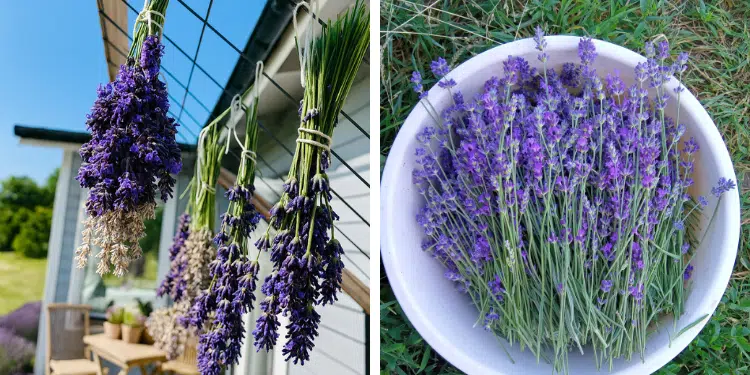
When lavender dries, these compounds become more concentrated. Hanging bundles in the garden allows the breeze to carry their fragrance, creating gentle but effective protection and attraction signals for insects and wildlife.
Lavender’s scent is soothing to humans, but to many pests, it’s overwhelming and unpleasant. This contrast is part of what makes lavender such a valuable partner in the garden.
1. Lavender Bundles Help Repel Common Garden Pests
One of the biggest reasons gardeners hang lavender bundles outdoors is simple: the scent repels pests naturally.
Lavender is especially effective at discouraging:
- mosquitoes
- flies
- moths
- gnats
- cabbage moths
- ants
- fleas
- ticks
- some beetles
These pests dislike the strong oils that lavender releases, and hanging bundles around doorways, garden beds, sitting areas, and patios creates a natural aromatic barrier.
This method is ideal for gardeners who avoid chemical pesticides and prefer an organic approach to controlling pests.
2. Lavender Helps Protect Seedlings and Delicate Plants
Seedlings and young plants are especially vulnerable to pests. Lavender bundles placed near:
- nursery beds
- greenhouse entry points
- herb gardens
- patio pots
- raised beds
…help reduce the number of insects that settle on or nibble new growth.
This is particularly helpful during early spring and late summer, when bug activity peaks.
3. Lavender Attracts Pollinators and Beneficial Insects
While lavender repels harmful insects, it attracts the beneficial ones – making it a rare dual-purpose plant.
Lavender bundles can help draw:
- bees
- bumblebees
- butterflies
- hoverflies
- predatory wasps
These insects improve pollination rates and help keep pest populations balanced.
By hanging lavender near flowering vegetables or fruit trees, gardeners can boost yields naturally without any chemicals or interventions.
4. The Scent Improves Garden Ambiance and Reduces Stress
Lavender’s calming properties are not limited to indoor aromatherapy. When hung outdoors, the scent creates a soothing, fresh environment that enhances the garden experience.
Many gardeners find that lavender bundles help them:
- unwind while gardening
- enjoy the outdoor space more
- reduce tension or anxiety
- feel more connected to nature
Lavender releases subtle aromatherapeutic benefits even when dried.
This makes lavender bundles ideal for:
- meditation corners
- garden seating areas
- patios and porches
- hammock spaces
- outdoor dining areas
The scent transforms an ordinary garden into a relaxing sanctuary.
5. Lavender Helps Repel Snakes and Rodents
Although not as widely known, lavender is used in some rural traditions to deter snakes, mice, and rats. These creatures dislike strong fragrances, especially floral and herbal ones.
While lavender won’t eliminate rodents, it may discourage them from nesting in:
- sheds
- garages
- compost corners
- wood piles
- garden perimeters
This makes lavender a gentle, humane option for discouraging unwanted wildlife.
6. Lavender Bundles Help Keep Ants Away From Garden Beds
Ants often appear in gardens because they farm aphids for honeydew.
Hanging lavender near beds helps disrupt ants’ scent trails, making it harder for them to organize colonies or protect aphids.
This indirectly reduces aphid outbreaks – a hidden benefit many gardeners love.
7. Lavender Can Help Reduce Mold and Mildew in Damp Areas
Lavender has mild antifungal properties. When hung in areas prone to moisture or limited airflow, it can help keep the air fresher while discouraging mold growth.
Gardeners often place lavender bundles near:
- greenhouses
- shade gardens
- storage areas
- patios
- basement entrances
The scent absorbs humidity and improves air quality, especially during wet seasons.
8. Lavender Helps Protect Stored Garden Tools and Gear
Some gardeners hang lavender bundles inside sheds or tool closets because the fragrance discourages insects from hiding in:
- gloves
- pots
- bags
- wooden handles
- seed trays
The scent also keeps mice from nesting in stored materials.
This protects equipment and keeps storage areas fresh.
9. Lavender Carries Symbolic Meaning and Positive Energy
For centuries, lavender has been a symbol of purification, calm, and spiritual protection. Many gardeners hang lavender bundles for energetic reasons, believing they help:
- clear stagnant energy
- protect the home and garden
- encourage peaceful thoughts
- attract positive vibrations
- promote emotional balance
Lavender is often used alongside sage, rosemary, and bay leaves in spiritual gardens or healing gardens.
Even gardeners who don’t follow spiritual traditions often say lavender brings a comforting, peaceful feeling to their outdoor spaces.
10. Lavender Bundles Add Rustic Beauty and Charm
Even from a purely decorative standpoint, lavender bundles add charm to any garden. Their soft purple tones, elegant stems, and natural fragrance make them perfect for:
- cottage gardens
- Mediterranean-style yards
- herb gardens
- country porches
- picket fences
They give the garden a handcrafted, thoughtful touch – something many gardeners appreciate.
11. They Are a Natural, Eco-Friendly Solution
Lavender bundles require no chemicals, no sprays, and no synthetic fragrances. They’re one of the most sustainable ways to manage pests, freshen the air, and enhance garden aesthetics.
Gardeners who practice organic gardening love lavender because it:
- supports local ecosystems
- protects pollinators
- avoids harmful pesticides
- uses plants instead of chemicals
- decomposes naturally
It’s a zero-waste, eco-conscious solution.
12. Lavender Bundles Can Be Used Year-Round
Unlike fresh lavender blooms, dried bundles can be used throughout all four seasons.
Gardeners use them to:
- scent tool sheds in winter
- repel pests in spring
- freshen patios in summer
- deter rodents in fall
They remain useful long after lavender has stopped blooming.
How to Hang Lavender Bundles in Your Garden
To get the most benefits, gardeners typically:
- Cut lavender stems when flowers are just opening.
- Tie them into small bundles with twine or natural string.
- Hang them upside down to dry for 1–2 weeks.
- Place them around the garden in shaded, breezy locations.
- Replace bundles once the scent fades (usually after several months).
You can hang them:
- from hooks
- on trellises
- from pergolas
- on fences
- inside sheds
- near windows
- along garden pathways
The natural scent spreads beautifully in open air.
Hanging lavender bundles around the garden is a simple practice with deep roots, blending practicality, tradition, and beauty.
Lavender helps repel pests, attract pollinators, protect young plants, discourage rodents, and fill the air with calming fragrance.
It also enriches the garden atmosphere, bringing a sense of peace, charm, and natural harmony