The Christmas cactus, scientifically known as Schlumbergera, is a popular holiday houseplant that often finds its way into homes during the festive season. Unlike its desert-dwelling cousins, the Christmas cactus hails from the tropical rainforests of Brazil. Its natural habitat is one of humidity and rich, organic soils, which starkly contrasts with the arid, sandy environments typically associated with cacti. Despite its name, the Christmas cactus is not a true desert cactus, leading to common misconceptions about its care requirements. Many new owners mistakenly apply the same care principles to their Christmas cactus as they would to a desert cactus, which can lead to long-term damage.
Understanding the origins of the Christmas cactus is essential for providing proper care. In its native environment, the plant grows as an epiphyte, often found on trees rather than in the ground. This unique growth habit means the Christmas cactus has adapted to thrive in conditions where moisture is more readily available, as opposed to the dry, barren conditions that desert cacti are accustomed to.
Introduction: Why Desert Care Tips Are Secretly Harming Your Christmas Cactus
Treating a Christmas cactus like a desert cactus can be detrimental to its health. While desert cacti are well adapted to survive in intense sunlight and dry conditions, the Christmas cactus requires a more delicate balance of light, moisture, and nutrients. Applying desert care tips, such as infrequent watering and excessive sunlight, can cause long-term harm to the plant. These practices can lead to symptoms of stress such as wilting, leaf burn, and even death if left uncorrected.
One of the most common mistakes is allowing the soil of a Christmas cactus to dry out completely between waterings, a practice that is suitable for desert cacti but not for this tropical plant. Furthermore, placing the plant in direct sunlight can scorch its pads, causing irreversible damage. Recognizing these harmful practices is the first step toward nurturing a thriving Christmas cactus.
1. Desert vs. Jungle: The Crucial Difference Everyone Overlooks
The primary mistake in Christmas cactus care is the failure to recognize its jungle origins. Unlike desert cacti, which are adapted to survive in harsh, arid climates, the Christmas cactus thrives in the humid, dappled light of a rainforest. In the wild, they are found clinging to trees, absorbing moisture from the air and organic matter around them. This environment is vastly different from the desert, where sunlight is intense and water is scarce.
Understanding this fundamental difference is crucial for proper care. While desert cacti require a dry, sandy mix, the Christmas cactus prefers a soil that retains moisture and is rich in organic material. This allows the plant to access the necessary nutrients and water without the risk of root rot, which can occur if the soil is too dense or poorly draining.
2. How Desert-Style Sun Exposure Scorches Christmas Cactus Pads
While desert cacti bask in the full sun, a Christmas cactus is more akin to a shade-loving fern. Its natural habitat offers filtered sunlight, as the dense canopy of the rainforest shields it from direct exposure. Placing a Christmas cactus in direct sunlight can lead to scorched pads, which manifest as brown, crispy edges on the plant’s segments.
To prevent sun damage, it’s important to find a location with bright, indirect light. A north or east-facing window is ideal, where the plant can receive morning sun without the harsh rays of the afternoon. If necessary, a sheer curtain can help diffuse the light and protect the cactus from sunburn.
3. Why Letting the Soil Bone-Dry Causes Root Shrinkage and Stress
Desert cacti are equipped to handle prolonged droughts, but the Christmas cactus is not. Allowing the soil to dry out completely between waterings can cause the roots to shrink and the plant to enter a state of stress. This is because, in its natural environment, the Christmas cactus is accustomed to consistent moisture levels.
To keep your Christmas cactus healthy, aim to keep the soil slightly moist at all times. Water thoroughly when the top inch of soil feels dry, ensuring that excess water drains away to prevent root rot. This approach mimics the plant’s natural habitat and supports healthy growth.
4. The Hidden Damage of Using Cactus Mix Instead of Rich, Moisture-Holding Soil
Using a typical cactus mix for a Christmas cactus can lead to poor growth and health issues. These mixes are often too sandy and quick-draining, which can deprive the plant of the moisture and nutrients it needs. Over time, this can result in stunted growth and weakened structure.
Instead, opt for a potting mix designed for tropical plants or create your own by combining equal parts potting soil, peat moss, and perlite. This blend provides the necessary drainage while retaining enough moisture to keep the plant hydrated and healthy.
5. Desert Watering Hacks That Lead to Root Rot and Sudden Collapse
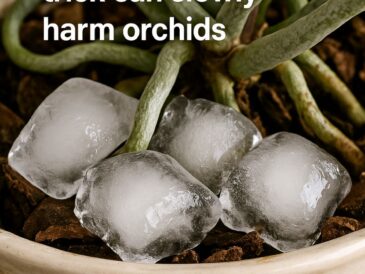
Some desert watering techniques, like using ice cubes or allowing water to collect in the saucer, can be detrimental to the Christmas cactus. These methods can lead to overwatering, which the plant cannot tolerate. Excessive moisture can cause root rot, often resulting in sudden collapse of the plant.
The best approach is to water the plant thoroughly, allowing excess water to drain completely, and then letting the top inch of soil dry out before watering again. This method prevents both over- and under-watering by maintaining a balance that suits the plant’s natural needs.
6. How Low Humidity Stunts Growth and Deforms New Segments
Low humidity is another factor that can negatively impact the Christmas cactus. In its natural habitat, humidity levels are high, which supports robust growth and healthy development of new segments. In a typical home environment, especially during winter, humidity levels can drop significantly, stunting growth and causing new segments to form improperly.
To combat low humidity, consider using a humidifier or placing a tray of water near the plant. Misting the plant occasionally can also help, although it’s important not to overdo it as excess moisture on the foliage can lead to fungal issues.
7. Overheating on Sunny Windowsills: When “More Light” Becomes Plant Abuse
While light is essential for photosynthesis, too much of it, especially from direct sunlight, can harm the Christmas cactus. Placing the plant on a sunny windowsill can lead to overheating, causing dehydration and sunburn. This is especially true in the summer months when the sun’s intensity is at its peak.
To avoid overheating, move the plant to a location with bright, indirect light. If the only available spot is a windowsill, consider using a light curtain to diffuse the sunlight. This will protect the plant from the harsh rays while still providing enough light for growth.
8. Starving Your Plant: Desert Fertilizer Schedules vs. Tropical Nutrient Needs
Desert cacti are adapted to survive with minimal nutrients, but the Christmas cactus requires a regular feeding schedule to thrive. A desert-style fertilizer regimen, which is often sparse, can lead to nutrient deficiencies in the Christmas cactus. These deficiencies can manifest as yellowing leaves, weak growth, and poor flowering.
To provide adequate nutrition, use a balanced, water-soluble fertilizer every 4-6 weeks during the growing season. Reduce feeding during the dormant period in winter, but ensure that the plant receives the nutrients it needs to support its vibrant blooms and healthy foliage.
9. Mis-Timed Dormancy: Why Treating It Like a Desert Succulent Ruins Bloom Cycles
The Christmas cactus has a unique dormancy period that is crucial for its blooming cycle. Unlike desert succulents, which have different dormancy cues, the Christmas cactus relies on shorter day lengths and cooler temperatures to trigger dormancy. Treating it like a desert succulent by neglecting these cues can disrupt its natural bloom cycle.
To encourage blooming, reduce watering and provide cooler temperatures (around 50-55°F) for 6-8 weeks in the fall. This mimics the plant’s natural dormancy period and sets the stage for vibrant blooms during the holiday season.
10. Viral Ice Cube and “Set It and Forget It” Hacks That Backfire Long Term
The internet is full of gardening hacks that promise easy care for houseplants, but not all are suitable for the Christmas cactus. Methods like using ice cubes to water or adhering to a strict, infrequent watering schedule can backfire. These hacks often lead to inconsistent moisture levels, which can stress the plant and cause root issues.
Instead of relying on gimmicks, develop a consistent watering routine based on the plant’s needs. Regularly check soil moisture and adjust watering frequency to ensure the plant remains healthy and resilient.
11. Potting Mistakes: Tiny Terracotta Pots, Fast Drainage, and Chronic Thirst
Choosing the right pot is essential for the health of a Christmas cactus. While terracotta pots are popular for their drainage properties, they can dry out too quickly for a moisture-loving plant like the Christmas cactus. Small pots can also restrict root growth, leading to chronic thirst and stress.
Opt for a slightly larger plastic or glazed ceramic pot that helps retain moisture while allowing for adequate drainage. Ensure the pot has drainage holes to prevent water from pooling at the bottom, which can lead to root rot.
12. The Stress Spiral: How Desert Care Makes Christmas Cactus Vulnerable to Pests and Disease
Improper care can weaken a Christmas cactus, making it susceptible to pests and diseases. When stressed by incorrect watering, light, or humidity levels, the plant’s natural defenses are compromised. Common issues include mealybugs, spider mites, and fungal infections, which can further damage the plant.
To prevent these problems, maintain optimal care conditions and regularly inspect the plant for signs of pests or disease. Promptly address any issues by adjusting care practices or using appropriate treatments to restore the plant’s health.
13. Recognizing Long-Term Damage—and How to Transition to True Christmas Cactus Care
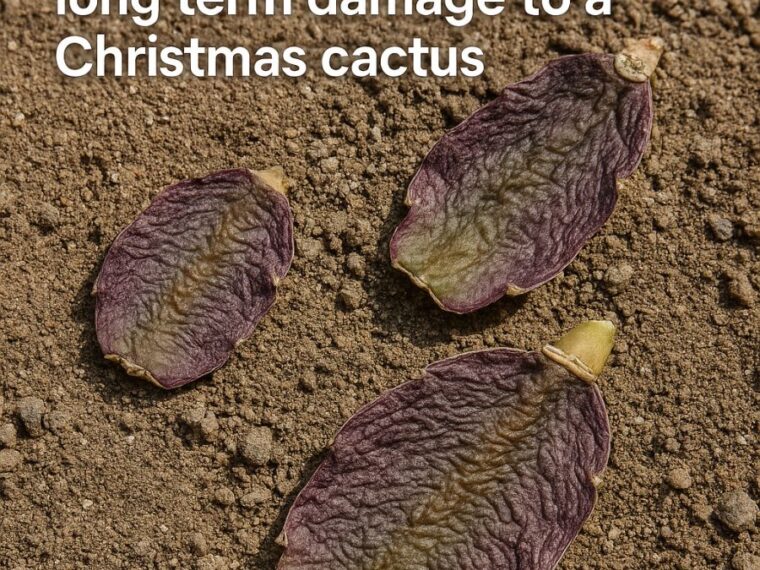
Long-term damage from inappropriate care can manifest as yellowing leaves, stunted growth, and reduced flowering. If you’ve treated your Christmas cactus like a desert plant, it’s not too late to make changes. Begin by assessing the plant’s current condition and adjusting your care routine to better suit its tropical needs.
Transitioning to proper care involves providing suitable light, moisture, and nutrients. Gradually adjust watering practices, improve humidity, and use a balanced fertilizer to support recovery. With time and care, your Christmas cactus can bounce back and thrive, rewarding you with beautiful blooms season after season.