Orchids are among the most captivating and exotic plants you can have in your home. Their delicate blooms and intricate structures make them a favorite for many plant enthusiasts. However, caring for orchids can be a bit challenging due to their unique needs. Among the many tips and tricks that have been shared among orchid owners, one of the most controversial is the ice cube watering method.
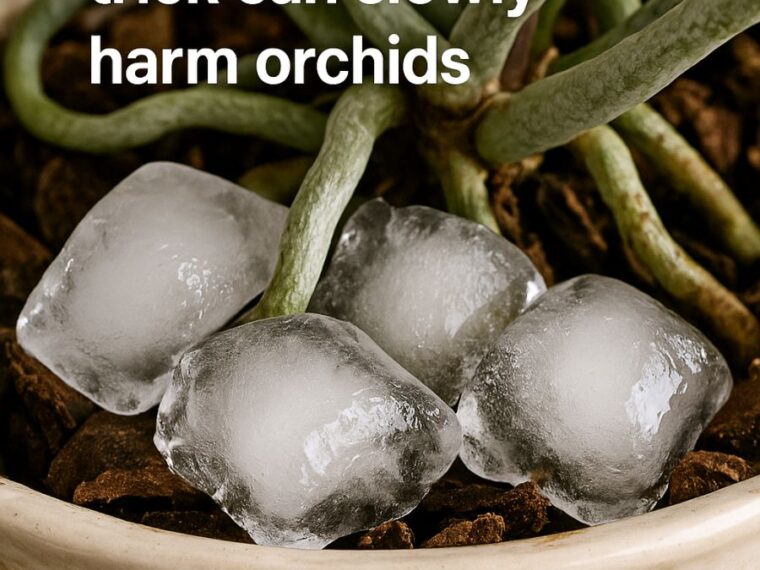
The ice cube watering trick promises an easy, foolproof way to care for these beautiful plants, by simply placing a couple of ice cubes on the potting medium once a week. While this method sounds convenient, especially for beginners, it may actually be causing more harm than good to your orchids. In this article, we will explore why this seemingly simple trick could be detrimental to the health of your beloved plants.
1. How The Ice Cube Watering Hack Went Viral
The ice cube watering trick gained popularity through social media and online forums where plant enthusiasts shared this as a simple hack for watering orchids. The idea was that using ice cubes would slowly release water, preventing overwatering and making it easier for beginners to gauge the right amount of moisture. Many people were drawn to the ease and convenience of this method, particularly those who struggled with keeping their orchids alive.
With endorsements from certain plant care brands and viral posts, the hack quickly spread across gardening communities. The suggestion was typically to use one to three ice cubes per week, depending on the size of the orchid. This method seemed to offer a neat solution to the common problem of overwatering, which often leads to root rot in orchids.
2. Why Tropical Orchids Hate The Cold
Orchids are tropical plants that naturally thrive in warm, humid environments. They have evolved to absorb warmth and moisture from the air, not from cold sources. When ice cubes are placed on the potting medium, they introduce a sudden and unnatural drop in temperature, which can shock the plant.
Tropical orchids, such as Phalaenopsis, prefer temperatures between 70-85°F (21-29°C) during the day and no lower than 55°F (13°C) at night. The use of ice cubes can subject the roots to temperatures well below this range, causing stress and potential damage.
3. Root Shock: What Sudden Chills Do Below The Surface
Orchid roots are sensitive to temperature changes, and the sudden chill from melting ice cubes can cause root shock. This shock can lead to cellular damage, reducing the roots’ ability to absorb water and nutrients effectively. Over time, this may manifest as stunted growth and weakened health in the plant.
Additionally, the cold can cause the root cells to contract, leading to potential ruptures or damage to the root structure. This damage is not immediately visible but can have long-term effects on the orchid’s vitality.
4. Slow Melting, Uneven Soaking, And Hidden Dry Spots
As ice cubes melt slowly, they may not evenly distribute water throughout the potting medium. This can lead to some areas being overly saturated while others remain dry. Orchids require consistent moisture levels to thrive, and uneven watering can lead to dehydration or waterlogging in different parts of the root system.
The slow release of water from ice cubes can also result in hidden dry spots where the water doesn’t reach, causing parts of the root system to become desiccated over time. This irregular moisture distribution is not ideal for maintaining the overall health of the plant.
5. Silent Root Rot: When Constant Dampness Turns Deadly
Constant dampness caused by the slow melting of ice cubes can create an environment conducive to root rot. Root rot occurs when the roots remain wet for extended periods, leading to fungal growth that decays the roots. This condition is often silent, showing few symptoms until the plant is severely affected.
Root rot reduces the plant’s ability to take up water and nutrients, eventually leading to yellowing leaves, wilting, and death if not addressed promptly. The ice cube method, intended to prevent overwatering, ironically increases the risk of this deadly plant disease due to its inconsistent moisture delivery.
6. Leaf Wrinkling, Bud Blast, And Other Stress Signals
Orchids subjected to the cold shock and inconsistent watering from ice cubes may exhibit stress signals such as leaf wrinkling and bud blast. Bud blast occurs when developing buds dry up and fall off before blooming, a common reaction to environmental stress.
Wrinkled leaves are another sign that the orchid is not receiving adequate hydration. These symptoms indicate that the plant is struggling to maintain its health, often due to the root damage and inconsistent moisture caused by the ice cube method.
7. How Ice Cubes Distort Your Watering Routine
Using ice cubes can create a false sense of security in your watering routine. While it seems like a simple solution, it does not accurately mimic the natural watering needs of orchids. Relying on this method can lead to neglect of important signs that your plant needs more or less water.
Orchids require careful observation and adjustment based on their current environment, something that the rigid ice cube schedule does not accommodate. This can lead to a lack of responsiveness to the plant’s changing needs over time.
8. Potting Media Problems: Bark, Moss, And Ice Don’t Mix
Orchids are typically potted in bark, sphagnum moss, or a combination of these, which are designed to provide aeration and drainage. Ice cubes can disrupt this balance by causing the potting medium to become unevenly moist. This can lead to compacted bark or moss that retains too much water, reducing aeration and increasing the risk of rot.
Bark and moss are also sensitive to prolonged moisture, which can break down the medium more quickly, necessitating more frequent repotting. The inconsistency in moisture from ice cubes can accelerate this degradation, leading to poorer conditions for the orchid’s roots.
9. Fertilizer, Minerals, And The Ice Cube Chemistry Issue
Ice cubes made from ordinary tap water can contain minerals and chemicals such as chlorine that may not be beneficial for orchids. Over time, these substances can build up in the potting medium, potentially leading to salt accumulation that harms the roots.
Additionally, using ice cubes as the primary water source can lead to uneven distribution of any fertilizers you might apply. Orchids require a balanced approach to feeding, and ice cubes can interfere with the even absorption of nutrients necessary for healthy growth.
10. Why Some Orchids Seem Fine—Until They Aren’t
Some orchids may appear to tolerate the ice cube method initially, showing no immediate signs of distress. However, the cumulative effects of cold shock, uneven watering, and potential root damage can take time to manifest. Often, by the time symptoms appear, such as wilting or leaf drop, the damage is already significant.
This delayed reaction can mislead owners into thinking that the method is effective, only to face sudden declines in plant health later on. It’s important to recognize that orchids have slow responses to stressors, which can make initial appearances deceiving.
11. Better Watering Habits That Actually Mimic Nature
To truly care for your orchids, it is best to replicate their natural environment as closely as possible. This includes using room-temperature water to ensure the roots are not shocked by cold temperatures. Watering should be done thoroughly, allowing water to drain freely from the pot, ensuring the entire root system is hydrated.
It’s recommended to water your orchids once a week, adjusting based on the season and humidity levels in your home. During the growing season, orchids may require more frequent watering, while in dormant periods, less frequent watering is needed. Observing your plant’s leaves and roots will provide clues to its hydration needs.
12. Simple Orchid Care Myths To Question Beyond The Ice Cube Trick
Beyond the ice cube method, there are several other myths about orchid care that should be questioned. For instance, some believe orchids thrive on neglect, but these plants require attentive care and observation to thrive. Similarly, the idea that orchids only bloom once a year is a misconception; with proper care, many orchids can bloom multiple times.
It’s also crucial to understand the specific needs of your orchid species, as different varieties have different light, water, and temperature requirements. Educating yourself on these needs will help you avoid common pitfalls and provide the best care for your orchids.