In recent years, the plant care community has seen a surge in popularity of soaking methods. This trend, often shared across social media platforms, advocates for bottom-soaking plants as a way to ensure they get enough water. The process involves placing the pot in a tray or basin filled with water, allowing the plant to absorb moisture through its drainage holes. Proponents of this method argue that it promotes deep root hydration, which is particularly important for plants that tend to dry out quickly. Measurements vary, but many suggest soaking the plant until the top layer of soil is visibly moist, which can take anywhere from 10 minutes to an hour depending on the plant and soil composition. However, while this technique can be beneficial for some species, it can lead to unintended consequences for others, especially in the case of the Christmas cactus.
Introduction: Why Your Christmas Cactus Is Dying Even Though You ‘Baby’ It
Christmas cacti are beloved for their vibrant blooms and easy care, making them popular indoor plants. Yet, despite diligent watering and care, some plant owners find their Christmas cactus wilting or suffering. This can be perplexing, especially when they’ve followed the advice of popular plant care influencers. The issue often lies in well-meaning but misguided watering techniques, such as over-soaking, which can inadvertently harm the plant. Rather than thriving, these cacti may begin to show signs of distress, with drooping segments and poor blooming, hinting at a deeper problem: root rot caused by excessive moisture retention.
1. How Christmas Cactus Roots Actually Breathe And Take Up Water
Christmas cacti are epiphytic plants, native to tropical rainforests where they grow on trees, absorbing moisture and nutrients from their surroundings. Unlike terrestrial plants, their roots are adapted to breathe and absorb water in a humid, but well-drained environment. They require a balance of moisture and air, thriving when their roots can access oxygen from the air pockets in the soil. When submerged in water for too long, these roots struggle to get the oxygen they need, leading to suffocation and decay.
2. The Viral Bottom-Soak Hack And Why It Backfires Over Time
The bottom-soak method has become a widely shared hack for plant care, but it can backfire for Christmas cacti. Initially, this method may seem beneficial as it ensures the soil is uniformly moist. However, over time, repeated soaking can saturate the soil, reducing the air pockets essential for root respiration. As the soil remains continuously wet, the risk of root rot increases, turning what was intended as a nurturing practice into a harmful one.
3. Waterlogged Potting Mix: The Silent Setup For Hidden Root Rot
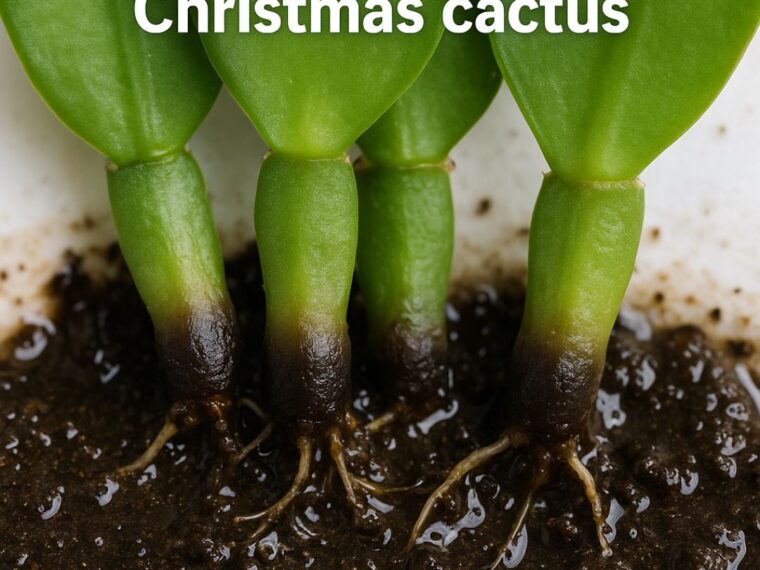
A waterlogged potting mix is a common consequence of frequent soaking. This condition occurs when the soil retains more water than it can drain, leaving the roots enveloped in moisture. Over time, the saturated soil compacts, further reducing airflow and drainage. This creates an ideal environment for root rot to develop unnoticed until the plant shows visible signs of distress above ground.
4. The Danger Of Non-Draining Pots And Decorative Cachepots
Decorative cachepots, while aesthetically pleasing, often lack proper drainage, exacerbating water retention issues. When a plant is placed in a pot without drainage holes, excess water from the soaking method has nowhere to go, leaving the roots submerged. This can quickly lead to root rot, as the trapped moisture deprives the roots of necessary oxygen. Ensuring pots have adequate drainage is crucial to prevent this common pitfall.
5. Fine, Peaty Soils That Stay Wet Too Long Around Delicate Roots
Many commercial potting mixes for Christmas cacti contain peat, a material known for its water retention properties. While peat can help maintain moisture levels, it can also hold onto water for too long, especially when combined with regular soaking. This creates a persistently damp environment that can suffocate the delicate roots of the Christmas cactus, leading to rot.
6. Cool Indoor Temperatures That Turn Soaks Into A Rot Risk
Indoor temperatures can significantly impact how quickly soil dries out. In cooler conditions, water evaporates more slowly, meaning that soil remains wet for longer periods after a soak. For Christmas cacti, which prefer moderate temperatures, a cool environment combined with soaking can increase the risk of root rot as moisture lingers in the potting mix.
7. Invisible Early Symptoms: Healthy Top Growth, Dying Roots Below
A Christmas cactus may appear healthy on the surface, with vibrant green segments and new growth, while its roots are slowly dying below. This deceptive appearance is because the early stages of root rot do not immediately affect the plant’s top growth. By the time visible symptoms like wilting or discoloration appear, the root system may already be severely compromised.
8. Repeated Soaking That Flushes Nutrients But Traps Excess Moisture
While soaking can hydrate a plant, it also flushes away essential nutrients from the soil. Over time, this can lead to nutrient deficiencies that affect the plant’s health. Additionally, the excess moisture trapped by frequent soaking prevents the soil from drying out, increasing the risk of rot and compounding the plant’s stress.
9. Fungal Pathogens That Thrive In Constantly Damp Conditions
Constantly damp soil provides an ideal breeding ground for fungal pathogens that cause root rot. These pathogens, such as Pythium and Phytophthora, thrive in wet environments and can quickly infect the roots of a Christmas cactus. Once established, these fungal infections are difficult to treat and can lead to irreversible damage to the plant.
10. Misreading Wrinkled Segments And Overcorrecting With More Soaks
Wrinkled or shriveled segments on a Christmas cactus are often misinterpreted as a sign of dehydration. In reality, these symptoms can also indicate root health issues, such as rot. Unfortunately, plant owners may respond by increasing the frequency of soaking, inadvertently worsening the problem by adding more moisture to an already saturated environment.
11. How Long Soaks And Standing Water Starve Roots Of Oxygen
Long soaks, where the pot sits in water for extended periods, can deprive roots of oxygen, essential for their survival. Without oxygen, the roots cannot function properly, leading to their eventual decay. Standing water at the base of the pot only exacerbates this issue, creating anaerobic conditions detrimental to the plant’s health.
12. Seasonal Watering Mistakes: Treating A Dormant Plant Like A Thirsty One
During its dormant period, typically in the winter months, a Christmas cactus requires less water. However, many plant owners continue to water as frequently as they do during the growing season, leading to overwatering. Recognizing these seasonal changes in the plant’s water needs is crucial to prevent root rot caused by excessive moisture.
13. Safer Watering Alternatives To Deep Soaking Methods
To avoid the pitfalls of deep soaking, consider alternative watering methods that provide adequate moisture without the risk of over-saturation. Top watering with careful monitoring of soil moisture levels ensures that the plant receives water without drowning the roots. Using a moisture meter or sticking a finger into the soil can help determine when the plant truly needs hydration.
14. When And How To Repot A Soaked, Suspected-Of-Rot Christmas Cactus
If you suspect root rot, repotting your Christmas cactus can help save it. Gently remove the plant from its pot and inspect the roots. Trim away any black, mushy roots with sterilized scissors. Repot the plant in fresh, well-draining soil, and ensure the new pot has adequate drainage. Allow the soil to dry out slightly before resuming a more conservative watering routine.
15. Simple Monitoring Habits To Prevent Hidden Root Rot In The Future
Preventing root rot involves adopting consistent monitoring habits. Regularly check the moisture level of the soil and adjust watering frequency accordingly. Use pots with proper drainage and avoid decorative cachepots that trap water. Be mindful of seasonal changes in the plant’s needs and adjust care routines to match. By staying attentive to these factors, you can keep your Christmas cactus healthy and thriving.