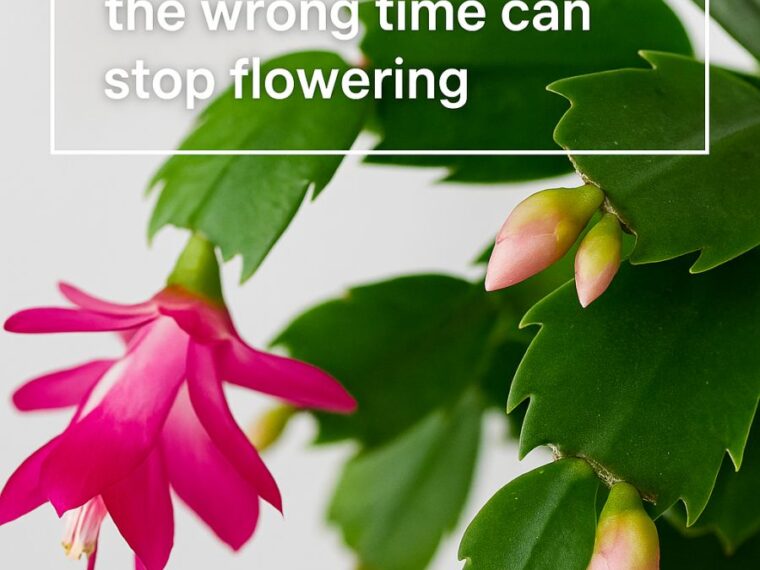
The Christmas cactus, known for its vibrant blooms during the holiday season, is a popular plant for many households. This unique plant is a member of the Schlumbergera family and hails from the coastal mountains of southeastern Brazil, where it naturally grows in shaded, humid environments. Its name comes from the spectacular blooms that coincide with the Christmas season, making it a festive favorite.
However, achieving those beautiful blooms is not always straightforward. The Christmas cactus is notoriously sensitive to changes in its environment, and moving it at the wrong time can lead to disappointing results. Understanding why this occurs can help plant enthusiasts maintain a healthy, flowering cactus throughout the holiday season.
1. How Christmas Cactus Knows When It’s Time to Bloom
The Christmas cactus relies on environmental cues to determine when to bloom. It is a short-day plant, meaning it requires long nights and short days to initiate flowering. Typically, this involves about 12-14 hours of uninterrupted darkness each night for a period of six weeks.
This process is driven by the plant’s internal circadian rhythms, which are sensitive to changes in light exposure. If these natural cycles are disrupted, the plant may fail to produce buds, or the buds may drop prematurely. Understanding this natural timing is crucial for ensuring a successful bloom.
2. Why Moving the Pot Can Confuse Its Internal Clock
When a Christmas cactus is moved, especially during its budding phase, it can disrupt its internal clock. The plant is acclimated to its specific light and temperature conditions, and even slight changes can alter its perception of day length.
For example, moving the plant from a room with natural light to one with artificial lighting can affect its ability to measure the length of night accurately. This disruption can halt the flowering process, leaving plant owners with a cactus devoid of its festive blooms.
3. The Critical Role of Day Length and Darkness
The Christmas cactus requires a strict regimen of darkness to stimulate blooming. This means that even the slightest exposure to light during its designated dark period can hinder bud formation. For instance, exposure to artificial light from streetlights or indoor lighting can extend the perceived day length, preventing the plant from entering its bloom cycle.
To combat this, many gardeners recommend placing the plant in a room where it won’t be disturbed by light at night, ensuring it receives the darkness it needs to trigger flowering.
4. How Changing Light Direction Makes Buds Drop
Changing the orientation of the Christmas cactus in relation to its light source can also cause buds to drop. The plant is sensitive to consistency, and sudden changes in light direction can stress it, leading to the loss of developing buds.
To prevent this, it’s advisable to keep the plant in the same orientation throughout the budding and blooming period. Marking the pot with a piece of tape can help ensure it is always returned to the same position after watering or maintenance.
5. Temperature Swings From Moving Rooms
Temperature plays a crucial role in the blooming cycle of a Christmas cactus. Ideally, these plants thrive in temperatures between 60-70°F (15-21°C) during the day and slightly cooler temperatures at night.
Moving the plant to a room with different temperature conditions, especially if there’s a significant difference, can shock the plant. This stress can cause buds to drop or fail to develop entirely, as the plant struggles to adjust to its new environment.
6. Drafts, Heating Vents, and Sudden Microclimate Shocks
Christmas cacti are sensitive to drafts and sudden changes in their microclimate. Placing the plant near heating vents, open windows, or doors can expose it to fluctuating temperatures and drafts, which can stress the plant.
These sudden changes can lead to bud drop or failure to bloom, as the plant diverts its energy to coping with the new conditions rather than flowering. It’s essential to keep the plant in a stable environment, away from potential sources of drafts.
7. The Viral ‘Closet Trick’ and How It Can Backfire
The ‘closet trick’ involves placing a Christmas cactus in a dark closet for a certain period each day to force it into blooming. While this method can be effective, it comes with risks.
Improper timing or forgetting to remove the plant from the closet can lead to extended periods of darkness, which may stress the plant. Additionally, the sudden change in environment can lead to bud drop if the plant is not gradually acclimated to its new conditions.
8. Rotating the Plant for Even Growth vs. Ruining Flower Buds
Rotating a Christmas cactus to encourage even growth can backfire if done during the budding phase. The plant becomes accustomed to its light source, and changing its orientation can disrupt this balance.
During the budding and blooming stages, it’s best to avoid rotating the plant. Consistency in its position relative to light sources helps maintain the plant’s internal balance and supports healthy bud development.
9. Transport Stress: From Store Shelf to Living Room
Bringing a Christmas cactus home from a store can be a stressful experience for the plant. Changes in light, temperature, and humidity from the store environment to your home can all impact the plant’s ability to bloom.
To minimize transport stress, it’s important to transition the plant gradually. Start by placing it in a similar environment to the store for a few days before moving it to its permanent spot. This gives the plant time to acclimate to its new surroundings, reducing the risk of bud drop or bloom failure.
10. Watering Changes That Happen When You Relocate It
Relocating a Christmas cactus can inadvertently lead to changes in its watering regimen. Different rooms may have varying humidity levels, which can affect the plant’s water needs.
It’s crucial to monitor soil moisture closely after moving the plant. Overwatering or underwatering due to environmental changes can stress the plant and impact its ability to flower. Adjust watering practices as needed to maintain healthy moisture levels in the soil.
11. Repotting at the Wrong Moment in the Bloom Cycle
Repotting a Christmas cactus at the wrong time can disrupt its blooming cycle. The stress of being uprooted and placed in new soil can cause the plant to focus on root development rather than flowering.
Ideally, repotting should be done in the spring, after the plant has finished blooming. This timing allows the plant to recover and establish new roots before the next bloom cycle begins.
12. Holiday Decorating Mistakes: Windowsills, Fireplaces, and String Lights
While it may be tempting to use a Christmas cactus as part of holiday decorations, certain placements can hinder its ability to bloom. Placing the plant on a windowsill with fluctuating temperatures or near a fireplace can expose it to drafts and heat, causing stress.
Additionally, string lights or other decorations that emit light can interfere with the plant’s required darkness period, disrupting its bloom cycle. It’s important to consider the plant’s needs when incorporating it into holiday displays.
13. When It’s Actually Safe to Move a Christmas Cactus
The best time to move a Christmas cactus is during its dormant period, typically in late winter or early spring after it has finished blooming. This allows the plant to adjust to its new environment without the added stress of developing buds
When moving the plant, it’s essential to replicate its previous conditions as closely as possible in terms of light, temperature, and humidity. A gradual transition helps ensure the plant remains healthy and ready to bloom for the next holiday season.