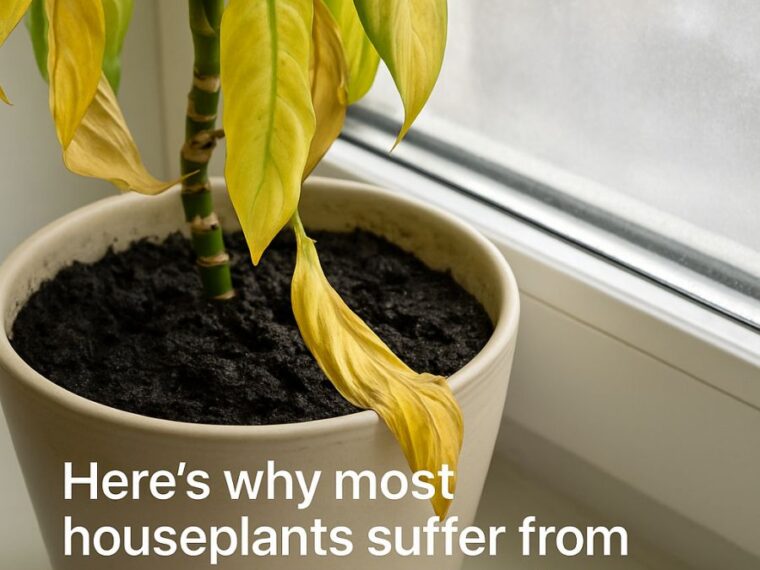
As the seasons change and winter sets in, many plant enthusiasts find themselves struggling to keep their indoor gardens thriving. A common mistake during this time is overwatering houseplants, which can lead to a host of problems, including root rot and stunted growth. Understanding why plants require less water in the colder months and how to adjust your care routine accordingly is essential for their health.
In this article, we’ll explore the reasons why houseplants often suffer from overwatering in winter and provide practical solutions to ensure your indoor greenery remains vibrant and healthy. From changes in light and temperature to the role of potting mixes, we’ll cover everything you need to know to avoid the pitfalls of winter plant care.
1. How Winter Changes Your Houseplant’s World
During winter, houseplants experience a dramatic shift in their environment. The most noticeable change is the reduction in daylight hours, which can drop from 14-16 hours in summer to as few as 8 hours in winter. This decrease in light intensity and duration can significantly affect a plant’s growth rate and water needs.
Additionally, indoor temperatures may fluctuate more in winter due to heating systems turning on and off. These fluctuations can stress plants, further contributing to their reduced water requirements. Understanding these environmental changes is key to adjusting your watering habits appropriately.
2. The Hidden Problem: Roots Suffocating in Soggy Soil
Overwatering in winter often leads to waterlogged soil, which can suffocate plant roots by depriving them of oxygen. When soil remains constantly wet, it creates an anaerobic environment where harmful pathogens can thrive, leading to root rot. Root rot is a common issue in plants such as peace lilies and ferns, which require well-draining soil to thrive.
To prevent this, ensure your potting mix is light and allows excess water to drain away. Consider adding perlite or sand to your soil to improve aeration and drainage, reducing the risk of root-related issues.
3. Less Light, Less Growth, Less Thirst
In winter, the lack of sufficient light means plants photosynthesize less, leading to slower growth rates. When plants grow slower, they require less water because they are not producing as many new leaves or stems. For example, a snake plant that might need watering every two weeks in summer may only require watering once a month during winter.
Understanding this relationship between light, growth, and water needs is crucial. Observing your plant’s growth habits and adjusting your watering schedule accordingly can help prevent overwatering.
4. Cool Indoor Temperatures Slow Down Water Use
As indoor temperatures drop in winter, plant metabolism slows down. This means they use water more slowly than they would in warmer conditions. Most houseplants prefer temperatures between 60-75°F (15-24°C), but in winter, temperatures can dip below this range, further reducing their water requirements.
Monitoring the temperature around your plants and ensuring they are kept in a stable environment can help you determine the appropriate amount of water they need. Avoid placing plants near cold drafts or directly above heating vents, as these can cause stress.
5. The Potting Mix Trap: Summer Soil in a Winter Room
Potting mixes that are ideal in summer can become problematic in winter. A mix that retains moisture well might be perfect for the hot months but can lead to overwatering issues when temperatures drop. Plants like succulents and cacti are particularly sensitive to this, as they require a drier environment.
Consider switching to a more free-draining mix during winter or adjusting the composition by adding more coarse materials like pumice or orchid bark. This can help prevent moisture from lingering in the soil, which is crucial for plant health during the colder months.
6. Drainage Disasters: Decorative Pots and Trays Full of Water
Decorative pots without drainage holes are a common cause of overwatering. When water has nowhere to escape, it accumulates at the bottom of the pot, creating a reservoir that can lead to root rot. Similarly, saucers or trays that aren’t emptied after watering can cause the same issue.
To avoid this, always use pots with drainage holes and ensure excess water is allowed to escape. If you prefer decorative pots without holes, use them as covers for functional pots and remove the plant when watering to let it drain freely.
7. Misreading the Signs: When Yellow Leaves Aren’t “Thirst”
Yellowing leaves are often interpreted as a sign of thirst, leading to unnecessary watering. However, yellow leaves can also be a symptom of overwatering, nutrient deficiencies, or inadequate light. It’s essential to diagnose correctly before reaching for the watering can.
Check the soil moisture level and other environmental factors before deciding to water. If the soil is consistently damp, reduce watering and ensure the plant has adequate light and nutrients to address the real cause of yellowing.
8. The Finger Test Fail: Smarter Ways To Check Moisture
The finger test, where gardeners check soil moisture by feeling the top inch of soil, can be misleading in winter. The top layer may dry out quickly due to indoor heating, while the bottom remains soggy. This can lead to overwatering if you water based solely on the surface dryness.
Invest in a moisture meter to get a more accurate reading of the soil’s moisture level throughout the pot. This tool can help you determine when your plant truly needs water, preventing overwatering and promoting healthier root systems.
9. How To Create a Winter Watering Schedule That Works
Developing a winter watering schedule involves understanding your plant’s specific needs and environmental conditions. Start by reducing the frequency of watering and observing your plant’s response. For most houseplants, watering every 3-4 weeks may suffice during winter.
Adjust your schedule based on the plant species, pot size, and indoor climate. Remember to consider other factors like humidity and light exposure. Consistent observation and adaptation are key to maintaining healthy plants through the winter months.
10. Adjusting for Plant Type: Cacti, Tropicals, and Fussy Figs
Different plants have varying water needs, especially in winter. Cacti and succulents, for example, require much less water due to their ability to store moisture. Water them sparingly, perhaps once every 6-8 weeks.
Tropical plants, like ferns and philodendrons, may need more frequent watering but still less than in summer. Fussy plants like fiddle leaf figs require careful attention to avoid overwatering. Tailor your approach to each plant’s natural habitat and physiological needs for optimal care.
11. Viral Hacks That Help (And Hurt) Winter Watering
Social media is full of gardening hacks, but not all are suitable for winter watering. For instance, using ice cubes to water orchids can be beneficial in controlling water amounts but harmful if the plant is sensitive to cold roots.
Evaluate any hack critically, considering your specific environment and plant needs. Some methods, like bottom watering, can be effective in ensuring even moisture distribution without overwatering, but always test new techniques on a small scale first.
12. Simple Soil and Pot Upgrades To Prevent Overwatering
Improving soil composition and pot selection are crucial steps in preventing overwatering. Opt for a light, airy soil mix that promotes drainage. Adding materials like perlite or vermiculite can enhance aeration and prevent compaction.
Choose pots with adequate drainage and consider using unglazed terracotta pots, which allow moisture to evaporate through the pot walls. These small changes can have a significant impact on maintaining the right moisture balance in your plant’s soil.
13. Boosting Light and Humidity Instead of Reaching for the Watering Can
In winter, providing adequate light and humidity can help reduce the need for frequent watering. Use grow lights to supplement natural sunlight, especially for light-loving plants. Aim for a light duration of at least 10-12 hours per day.
Increasing humidity can be achieved by using a humidifier or placing plants on trays filled with water and pebbles. This creates a micro-climate that mimics their natural environment, reducing stress and the need for excessive watering.