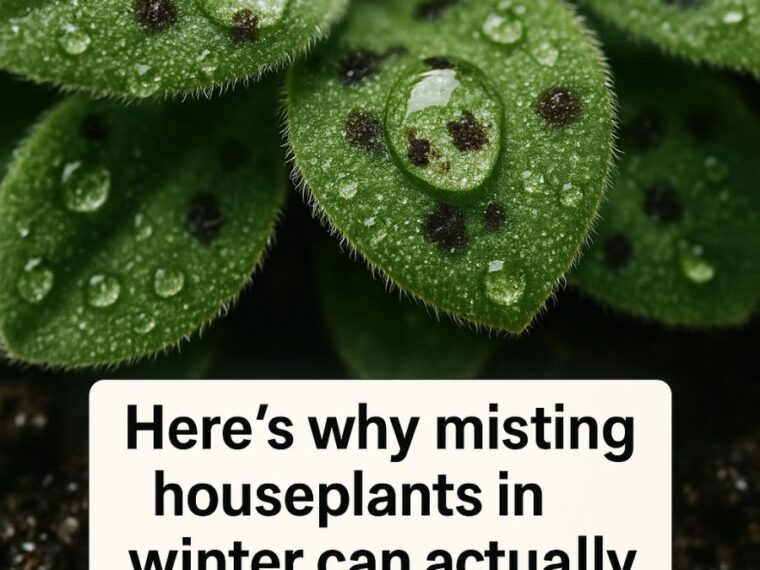
As winter approaches, many houseplant enthusiasts find themselves reaching for spray bottles to mist their plants, hoping to provide the humidity that indoor environments often lack during these colder months. The practice of misting houseplants has become a popular recommendation in various gardening communities and social media platforms. However, while misting may seem like a quick and easy way to care for your plants, it can actually lead to more harm than good during the winter season.
In this article, we will explore why misting houseplants in winter is not always the beneficial practice it’s thought to be. From the myth of improving humidity to the risks of fungal infections and pest spread, we’ll cover the potential pitfalls of misting. Additionally, we’ll discuss better alternatives to ensure your plants stay healthy and vibrant throughout the cold months.
1. Why the Popular Winter Misting Hack Took Off
The idea of misting houseplants gained traction primarily because of the misconception that it would mimic the natural humid environments that many tropical plants thrive in. Many online gardening forums and social media influencers have perpetuated the notion that a quick spritz of water can significantly boost humidity levels around plants.
Additionally, misting is seen as a simple and immediate solution that doesn’t require any special equipment, making it an attractive option for plant owners who want to provide the best care for their plants without investing in more expensive options like humidifiers.
2. The Myth Of Raising Humidity With A Quick Spritz
While misting might seem like a good way to increase humidity, the reality is that its effects are short-lived and superficial. The small amount of water from a spray bottle evaporates quickly, often within minutes, providing little to no lasting increase in air moisture levels. Studies have shown that to raise humidity significantly, a consistent and sustained source of moisture is required, such as a humidifier.
Moreover, misting only affects the immediate area around the plant for a very short period. For meaningful humidity control, the entire room’s humidity needs to be adjusted, which misting cannot achieve.
3. How Dry Indoor Air in Winter Actually Affects Plants
During winter, indoor heating systems can drastically reduce humidity levels, sometimes dropping as low as 10-20%, compared to the ideal 40-60% for most houseplants. This dry air can cause plants to lose moisture through their leaves more quickly than they can absorb it through their roots.
This imbalance can lead to symptoms such as browning leaf edges, wilting, and slower growth. While misting may seem like a solution, it does not address the root cause of the problem, which is the overall lack of humidity in the indoor environment.
4. Sudden Temperature Shocks From Cool Mist on Warm Leaves
Misting with cold water can cause temperature shocks to the plant’s leaves, especially if the plant is accustomed to the warmer indoor climate created by heating systems. The sudden drop in temperature can stress the plants, leading to cell damage or increased susceptibility to diseases.
It’s important to remember that most houseplants originate from tropical climates where the temperature remains relatively stable, and exposing them to abrupt changes can be detrimental to their health.
5. Damp Foliage and the Risk of Fungal and Bacterial Diseases
One of the significant risks associated with misting is that it leaves the foliage damp, creating an ideal environment for fungal and bacterial pathogens to thrive. Diseases like powdery mildew and leaf spot are more likely to develop on wet leaves, especially if they remain moist for extended periods.
Without adequate air circulation, the moisture from misting can linger on the leaves, increasing the risk of infections that can damage or even kill the plant if left unchecked.
6. Misting and the Spread of Pests Like Spider Mites and Mealybugs
Misting can inadvertently contribute to the spread of pests such as spider mites and mealybugs. These pests thrive in humid conditions and can easily migrate from one plant to another through the water droplets left by misting.
Additionally, the moisture can provide a breeding ground for these pests, exacerbating infestations rather than controlling them. Regularly inspecting plants and using targeted treatments is a more effective way to manage pest issues.
7. Mineral Spots and Leaf Damage From Hard Tap Water
Using tap water for misting can lead to issues like mineral buildup on leaves. Hard water contains minerals such as calcium and magnesium, which can leave unsightly white spots and residue on the foliage when the water evaporates.
This residue can block the plant’s stomata, interfering with gas exchange and photosynthesis, ultimately affecting the plant’s ability to thrive. Using distilled or rainwater for watering and misting can help mitigate this issue.
8. Nighttime Misting and the Problem of Prolonged Leaf Wetness
Misting plants in the evening or at night can lead to prolonged leaf wetness, as the lower temperatures and reduced air circulation during these times slow down evaporation. This extended period of moisture can increase the risk of fungal infections.
It’s generally better to water plants in the morning when evaporation is more efficient, allowing leaves to dry quickly and reducing the risk of disease.
9. Why Misting Can Stress Certain Plant Types More Than Others
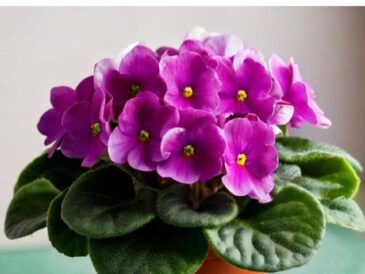
Not all plants respond to misting in the same way. Plants with fuzzy or hairy leaves, such as African violets, can trap moisture on their leaf surfaces, leading to rot and disease. Similarly, succulents and cacti, which are adapted to dry conditions, do not benefit from misting and can suffer from overhydration.
Understanding the specific needs of your plant species is crucial to providing appropriate care and avoiding unnecessary stress.
10. How Misting Interferes With Natural Transpiration and Gas Exchange
Misting can interfere with a plant’s natural processes, such as transpiration and gas exchange. When leaves are coated with water, the stomata may close to prevent water loss, disrupting the plant’s ability to release oxygen and take in carbon dioxide.
This disruption can affect photosynthesis and overall plant health, leading to reduced growth and vitality over time.
11. The False Sense of Security: Misting vs. Proper Watering and Humidity
Relying on misting can create a false sense of security, leading plant owners to neglect more critical aspects of plant care, such as proper watering and maintaining adequate humidity levels. Misting cannot replace the deep watering that plants require to deliver moisture to their root systems.
Investing in a humidifier or placing plants on a pebble tray filled with water are more effective ways to maintain humidity without the drawbacks associated with misting.
12. Safer, Science-Backed Alternatives to Winter Misting
Instead of misting, consider using a humidifier to maintain consistent humidity levels in your home. Humidifiers can effectively raise the overall moisture in the air, benefiting both plants and people during the dry winter months.
Grouping plants together can also help create a microclimate with higher humidity. Additionally, placing a tray of water with pebbles beneath plants can increase humidity through evaporation, providing a safer and more effective alternative to misting.