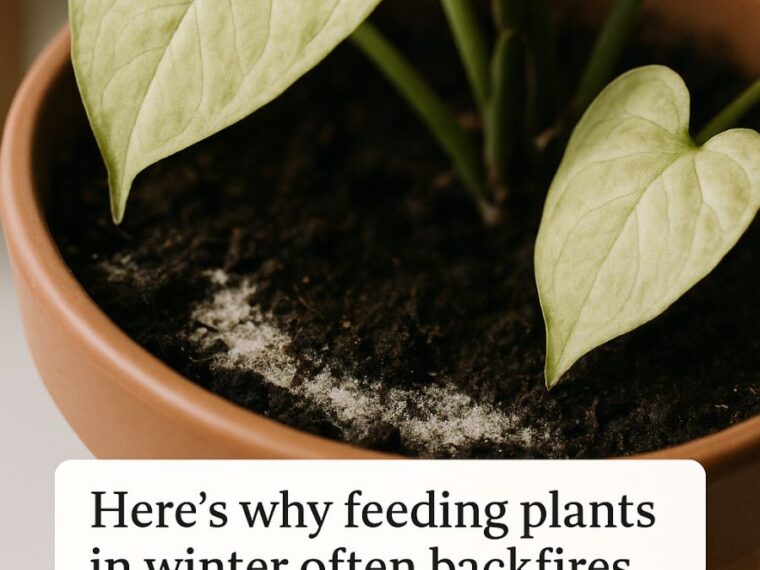
As the winter months draw near, many plant enthusiasts and gardeners are faced with the decision of whether to continue feeding their plants. While some swear by winter fertilization, believing it keeps their plants healthy and thriving, the truth is that feeding plants in winter often does more harm than good. This article explores why winter feeding can backfire, despite its popularity among many plant owners.
Understanding the natural cycles of plant growth is essential for optimal plant care. During winter, plants enter a period of dormancy, a survival strategy that helps them conserve energy in response to environmental changes. Disrupting this cycle with unnecessary feeding can lead to a host of problems, from root burn to pest infestations. By examining the science behind plant dormancy and the potential pitfalls of winter fertilization, we can make informed decisions that align with our plants’ natural needs.
1. Why Plants Naturally Slow Down in Winter
Plants have evolved to respond to seasonal changes, and winter is a time for rest and conservation. As temperatures drop and daylight hours decrease, photosynthesis slows down. This reduction in photosynthesis means plants produce less energy, prompting them to enter a state of dormancy. In this state, growth is minimal as plants focus on maintaining their existing structures rather than producing new growth.
For many temperate plants, dormancy is crucial for survival. It prevents the plant from expending energy that would be wasted due to inadequate light and warmth. For instance, deciduous trees shed their leaves, reducing the surface area for water loss and eliminating the need for nutrient uptake. During winter, even houseplants that are not exposed to freezing temperatures can experience slowed metabolic processes due to reduced light and cooler indoor temperatures, leading to a natural slowdown in growth.
2. The Hidden Risk of Burning Roots With Extra Fertilizer
Applying fertilizer during the winter can lead to root burn, a condition caused by the accumulation of salts from fertilizers in the soil. When plants are dormant, their uptake of water and nutrients is significantly reduced, meaning any fertilizer added to the soil can concentrate to toxic levels.
The risk of root burn is particularly high in potted plants, where excess salts cannot easily leach away. Symptoms include brown leaf tips, wilting, and stunted growth, which may not be apparent until it’s too late to reverse the damage. Fertilizers, especially those high in nitrogen, can cause osmotic stress on roots, drawing water out of plant tissues and exacerbating winter dehydration.
3. How Winter Light Levels Make Feeding Almost Useless
During winter, the sun’s angle is lower, and daylight hours are shorter, resulting in significantly reduced light levels. This decrease in light availability means that photosynthesis, the process by which plants convert light into energy, is greatly diminished.
Without adequate light, plants cannot effectively utilize the nutrients provided by fertilizers. As a result, feeding becomes largely ineffective, as the plants are unable to process the nutrients for growth. Instead of contributing to new growth, excess nutrients remain unused in the soil, posing a risk of root burn and other issues.
4. Cold, Wet Soil and the Perfect Recipe for Root Rot
Winter often brings cold and damp conditions, which can lead to waterlogged soil. When soil remains saturated for prolonged periods, it can suffocate plant roots, leading to root rot, a condition caused by fungal pathogens thriving in anaerobic environments.
Applying fertilizer to already wet soil exacerbates this problem, as the added nutrients can further alter the soil’s composition, making it even more conducive to fungal growth. The combination of cold temperatures and excessive moisture creates an environment where roots struggle to breathe and absorb nutrients, resulting in weakened plants prone to disease.
5. The Myth of “Year-Round Growth” Pushed by Fertilizer Marketing
Fertilizer companies often market their products as solutions for year-round plant growth, suggesting that regular feeding is necessary to maintain healthy plants. However, this one-size-fits-all approach fails to consider the natural growth cycles of plants, particularly their dormancy periods.
Plants are not machines that require constant input to function. Instead, they have evolved to thrive with varying nutrient availability, adjusting their growth patterns to seasonal changes. By ignoring these natural cycles and feeding indiscriminately, gardeners risk overwhelming their plants with nutrients they cannot use, leading to nutrient imbalances and other health issues.
6. Why Evergreen Leaves Don’t Mean the Plant Is Actively Growing
Evergreens, unlike deciduous plants, retain their leaves throughout the year, leading some to believe that they remain actively growing during winter. However, evergreen plants also experience a slowdown in growth during colder months.
While they keep their foliage, evergreens reduce their metabolic activity significantly in winter, conserving resources. The maintenance of green leaves is a survival strategy, allowing them to quickly resume photosynthesis when conditions improve. Feeding evergreens during this time can still result in nutrient buildup and potential root damage, as their nutrient uptake is still limited.
7. Viral TikTok Fertilizer Hacks That Do More Harm Than Good
Social media platforms like TikTok are rife with gardening hacks, many of which claim to boost plant growth with unusual fertilization techniques. These viral trends often lack scientific backing and can be detrimental to plant health.
For instance, popular hacks like using household items as fertilizer may introduce harmful chemicals or unbalanced nutrients into the soil. Without an understanding of a plant’s specific needs, following such advice can lead to over-fertilization and nutrient imbalances, particularly in the delicate winter months when plants are more vulnerable.
8. Houseplant Fertilizer Mistakes People Make When the Heat Comes On
During winter, indoor heating systems create a warm, dry environment that can be misleading for plant care. Many assume that the warmth from heating means plants require the same feeding regimen as during the growing season.
However, the artificial warmth doesn’t compensate for the reduced light levels and natural dormancy cues that plants receive. Over-fertilizing in heated indoor environments can lead to salt buildup in the soil and increase the risk of pest infestations as plants become stressed and weakened by the imbalance.
9. Outdoor Gardens: When Winter Feeding Washes Straight Into the Water Table
In outdoor settings, winter rains and snow can quickly wash away fertilizers applied to gardens. This not only renders the feeding ineffective but also poses environmental risks.
Excess nutrients from fertilizers can leach into groundwater, contributing to pollution and affecting local ecosystems. Nutrient runoff into waterways can lead to algal blooms, which deplete oxygen levels and harm aquatic life. Responsible gardening involves understanding the environmental impact of fertilization practices, especially during seasons when plants are not actively growing.
10. How Overfeeding in Winter Triggers Pest and Disease Problems
Over-fertilizing plants in winter can make them more susceptible to pests and diseases. Excess nutrients can lead to lush, tender growth that attracts insects and pathogens.
Additionally, the stress from nutrient imbalances can weaken plants’ natural defenses, making them more vulnerable to attacks. In winter, when plants are already conserving energy and resources, this additional stress can lead to significant health declines and increased pest infestations.
11. The Long-Term Damage You Don’t See Until Spring
The effects of winter over-fertilization may not be immediately apparent, but they can become evident as plants transition into their active growing season. Nutrient imbalances can disrupt normal growth patterns, resulting in poor leaf development, stunted growth, and chlorosis.
In spring, plants should be primed to take advantage of improved light and temperature conditions. However, those that have been over-fertilized during winter may struggle to recover, leading to a delayed or weakened growth response, ultimately impacting their overall health and productivity.
12. When Winter Feeding Actually Makes Sense — and How to Do It Safely
There are scenarios where winter feeding can be beneficial, particularly for certain indoor plants like succulents and cacti that have different dormancy patterns. In such cases, feeding should be done cautiously with dilute solutions to prevent root burn.
For plants that require winter feeding, it’s important to use slow-release fertilizers or organic options that provide a steady, low level of nutrients. Monitoring plants closely and adjusting care based on their specific needs and growth patterns is crucial to ensuring their health without risking over-fertilization.
13. What to Do Instead: Light, Water, and Timing Over Hype
Instead of relying on fertilizers to maintain plant health during winter, focus on optimizing light, water, and environmental conditions. Ensure plants receive adequate light by positioning them near windows or using grow lights.
Adjust watering schedules to prevent waterlogged soil, and maintain a stable environment by avoiding drafts and sudden temperature changes. By aligning plant care with natural cycles and environmental cues, gardeners can support healthy plant dormancy and ensure robust growth when spring arrives.