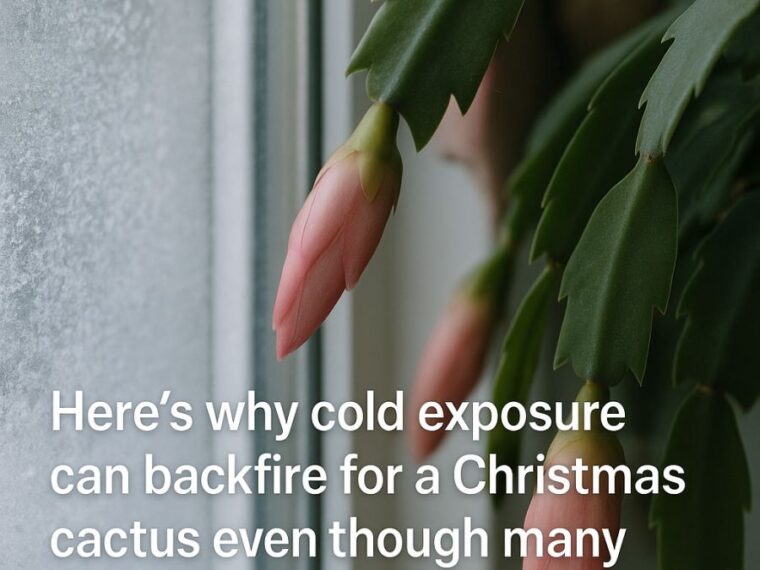
The Christmas cactus is a beloved houseplant, cherished for its vibrant blooms that brighten up the winter months. Often, gardeners and plant enthusiasts seek ways to coax these beautiful flowers into appearing right around the holiday season. One popular method that has gained traction is the practice of cold exposure, where the plant is subjected to cooler temperatures to stimulate blooming.
However, while this technique has been widely recommended, it can sometimes lead to unintended consequences for the plant. While a certain level of coolness can indeed encourage blooming, too much cold stress can harm the plant’s health. Understanding the fine line between beneficial cool exposure and harmful cold stress is crucial for anyone looking to maintain a healthy, flourishing Christmas cactus.
1. How the Cold-Forcing Hack for Christmas Cactus Went Viral
In recent years, the idea of using cold exposure to force blooms on a Christmas cactus has gained popularity on social media and gardening forums. Enthusiasts share tips on placing their plants in cooler environments, such as unheated porches or near drafty windows, to mimic the plant’s natural blooming triggers. The advice often suggests maintaining temperatures between 50°F and 55°F for a period of 6 to 8 weeks to encourage bud formation.
This viral trend has been bolstered by numerous anecdotal successes, where individuals have reported spectacular blooming results after subjecting their Christmas cacti to cooler temperatures. However, these success stories often neglect to mention the specific conditions under which the plants were kept, leading to a potential misunderstanding of what constitutes beneficial versus harmful cold exposure.
2. The Real Science Behind Christmas Cactus Bloom Triggers
The Christmas cactus, native to the coastal mountains of southeastern Brazil, naturally blooms in response to specific environmental cues. In the wild, these plants experience cooler temperatures and shorter daylight hours as signals to begin the blooming process. The ideal conditions for triggering blooms involve temperatures around 50°F to 60°F at night and longer periods of darkness, mimicking the plant’s natural ecosystem.
Scientific studies have shown that both temperature and photoperiod (day length) play crucial roles in the flowering process. While cooler temperatures can indeed encourage blooming, they must be balanced with adequate light and other environmental factors. Focusing solely on temperature changes without considering these other aspects can lead to stress and potential harm to the plant.
3. Cold Stress Versus Cool Nights: Why the Temperature Nuance Matters
The distinction between cold stress and beneficial cool nights is a critical one. Cool nights, typically defined as temperatures ranging from 50°F to 60°F, can effectively trigger bud formation without harming the plant. However, exposing a Christmas cactus to temperatures below 50°F can induce cold stress, negatively impacting the plant’s health.
Cold stress can cause the plant to enter a survival mode, where resources are redirected away from non-essential functions like blooming, towards maintaining basic metabolic activities. This stress can result in a lack of blooms, wilting, or even tissue damage if the exposure is prolonged or severe.
4. When a Drafty Window Turns Dangerous Instead of Helpful
Placing a Christmas cactus near a drafty window is a common tactic used to induce cooler temperatures. However, this can sometimes backfire if the plant is exposed to unpredictable temperature fluctuations. Drafty windows can lead to sudden cold air exposure, which can stress the plant and disrupt its natural blooming process.
Additionally, if the temperatures near the window drop too low, especially during nighttime, the plant may experience cold damage. A more stable environment with consistent cool temperatures is preferable to prevent stress and ensure healthy bloom development.
5. Root Shock: How Sudden Chills Disrupt Water and Nutrient Uptake
Sudden exposure to cold temperatures can cause root shock in Christmas cacti. Roots are particularly sensitive to temperature changes, and a sudden chill can disrupt their ability to absorb water and nutrients effectively. When roots are in shock, the plant may show signs of wilting or nutrient deficiency, as its ability to sustain itself is compromised.
Root shock can also make the plant more susceptible to diseases and pests, as its defenses are weakened. Ensuring that the root zone remains at a stable temperature, even if the air temperature is cooler, is essential for maintaining the health of the plant.
6. The Hidden Risk of Cold, Wet Soil and Root Rot
Cold exposure combined with wet soil can be a recipe for disaster for Christmas cacti, leading to root rot. When the soil remains cold and wet, it creates an environment conducive to fungal growth, which can quickly spread and damage the plant’s root system.
Root rot is often difficult to detect until significant damage has occurred, as it primarily affects the underground parts of the plant. To prevent this, it’s crucial to allow the soil to dry out slightly between waterings, especially during cooler periods, and to ensure that any water does not remain stagnant in the pot.
7. Light Cycles, Not Just Low Temperatures, Drive Bud Formation
While cooler temperatures are often highlighted as a key factor in triggering blooms, the role of light cycles is equally important. Christmas cacti require a period of extended darkness to initiate bud formation, typically around 13 to 16 hours of darkness per day.
Gardeners focusing solely on temperature manipulation may overlook the importance of providing adequate dark periods. Without these extended dark cycles, even the perfect temperature conditions may fail to induce blooming, as the plant relies on a combination of environmental signals to cue its flowering program.
8. Why Extreme Temperature Swings Cause Bud Drop Instead of Blooms
Extreme temperature fluctuations, such as those caused by moving a plant from a warm indoor environment to a cold outdoor one, can cause bud drop. When a Christmas cactus experiences large swings in temperature, it can react by aborting its buds as a stress response.
To prevent bud drop, it’s essential to maintain a stable environment with gradual changes in temperature. Avoid moving the plant between drastically different environments and aim for consistency to encourage healthy bud development and retention.
9. Frostbite on a Tropical Plant: Tissue Damage You Can’t Always See
Christmas cacti, despite their name, are tropical plants and not frost-hardy. Exposure to temperatures below their threshold can result in frostbite, damaging the plant’s tissues. This damage is often not immediately visible, as it can occur at the cellular level, affecting the plant’s ability to function properly.
Frostbite can manifest as discolored or mushy segments, reduced vigor, and an increased susceptibility to disease. Preventing frostbite involves ensuring that the plant is never exposed to freezing conditions and is kept away from cold drafts and outdoor environments during winter.
10. How Cold Exposure Weakens Immunity and Invites Pests and Disease
Cold stress can weaken a Christmas cactus’s natural defenses, making it more vulnerable to pests and diseases. When a plant is stressed by cold temperatures, its immune response is compromised, allowing pathogens and pests to take hold more easily.
Common issues include fungal infections and infestations by pests such as aphids and mealybugs. Keeping the plant in a stable, moderate environment can help maintain its natural resilience and reduce the likelihood of infestations and disease.
11. Misreading Dormancy: When the Plant Is Stressed, Not Resting
Gardeners may mistake a stressed Christmas cactus for a plant entering dormancy, particularly if it stops growing or loses some leaves. True dormancy is a natural rest period that the plant undergoes, but stress-induced dormancy can actually signal underlying issues.
Signs of stress include drooping, yellowing leaves, and a general lack of vitality. If these symptoms appear, it may be time to reassess the plant’s environment and care routine, ensuring it’s not exposed to excessive cold or other stressors.
12. The Problem With Copy-Paste Advice From Other Succulents
Many care tips for Christmas cacti are borrowed from advice given for other succulents. However, unlike desert succulents, Christmas cacti require more humidity and slightly different temperature conditions. Applying generic succulent care advice, such as prolonged cold exposure, can lead to adverse effects.
Christmas cacti thrive in conditions that mimic their natural tropical environment, which includes more moderate temperatures and higher humidity levels. Tailoring care specifically to the needs of this plant, rather than using broad succulent advice, is crucial for its health and blooming success.
13. Safer Alternatives to the Viral Cold Exposure Trick
Instead of relying on cold exposure to induce blooming, gardeners can use safer alternatives that align more closely with the plant’s natural needs. Providing a period of cooler nights (50°F to 60°F) combined with shorter daylight hours can effectively trigger blooms without causing stress.
Additionally, ensuring the plant receives adequate humidity, proper watering, and regular feeding can support its overall health and encourage flowering. Using grow lights to simulate natural light cycles can also help create an ideal environment for bloom induction.
14. Signs Your Cold-Bloom Strategy Is Backfiring—and How to Reverse Course
If a cold-bloom strategy is backfiring, you may notice signs such as wilting, bud drop, or yellowing leaves. In such cases, it’s important to reassess the plant’s environment and care practices. Gradually increase temperatures to a more moderate range and ensure the plant is not exposed to cold drafts.
Improving humidity levels and adjusting watering practices can also help the plant recover. If root rot is suspected, consider repotting the plant into fresh, well-draining soil. By reversing stress-inducing conditions, it’s possible to restore the plant’s health and encourage future blooms.