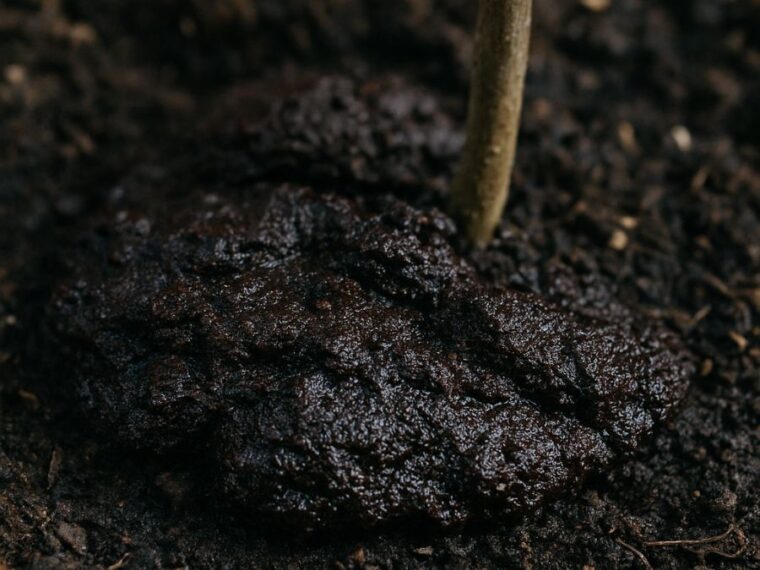
In the quest for sustainable gardening practices, many have turned to common household waste items like coffee grounds as potential soil amendments. The idea is appealing: a free, abundant resource that could improve soil health and support plant growth. However, while coffee grounds can be beneficial when used correctly, direct application to soil can lead to a host of problems for plants.
Understanding the complexities of soil chemistry and plant needs is crucial before introducing any new elements into your garden. This article explores the potential pitfalls of using coffee grounds directly in your soil, backed by scientific insights and gardening expertise. By examining the specific issues associated with this practice, gardeners can make informed decisions and avoid unintended harm to their plants.
The Viral Coffee Grounds Hack—and Why It’s Misleading
The internet is rife with hacks and tips for improving garden health, and among the most popular is the direct use of coffee grounds. Proponents claim that coffee grounds can enrich the soil, deter pests, and provide a natural boost to plant growth. However, these claims often oversimplify the complex interactions between soil components and plant physiology.
While coffee grounds contain beneficial nutrients like nitrogen, phosphorus, and potassium, they also bring challenges when not properly managed. For instance, the nutrient composition of coffee grounds can vary significantly depending on factors like coffee type and brewing method. Without acknowledging these variables, the blanket recommendation to apply coffee grounds directly can be misleading and potentially harmful.
1. Fresh Coffee Grounds Can Be Too Acidic for Many Plants
Coffee grounds are inherently acidic, with a pH level that can range from 4.5 to 6.0. This acidity can be beneficial for acid-loving plants like blueberries and azaleas but detrimental to others like tomatoes and beans, which prefer neutral to slightly alkaline soil. When applied directly, the acidity of fresh coffee grounds can alter the soil pH, creating an inhospitable environment for many garden plants.
Moreover, soil pH affects the availability of nutrients to plants. In overly acidic soil conditions, essential nutrients like calcium and magnesium become less available, potentially leading to nutrient deficiencies and stunted growth.
2. High Caffeine Levels May Inhibit Seed Germination and Growth
Coffee grounds contain residual caffeine, a natural compound that evolved to deter herbivores and inhibit the growth of competing plants. Studies have shown that caffeine can negatively impact seed germination and plant growth. For example, research indicates that caffeine concentrations as low as 0.1% can inhibit the growth of certain seedlings.
This allelopathic effect means that directly incorporating coffee grounds into the soil can interfere with the germination and establishment of sensitive plant species, reducing overall garden productivity.
3. Dense Grounds Can Create a Water-Repellent Crust
When coffee grounds dry out, they can form a dense, compact layer on the soil surface. This crust can become water-repellent, preventing water from penetrating the soil and reaching plant roots. The hydrophobic nature of dried coffee grounds can exacerbate water management issues, especially in sandy or silty soils.
Proper soil aeration and water infiltration are crucial for healthy root development. By creating a barrier that repels water, coffee grounds can inadvertently lead to drought stress in plants, even when soil moisture levels appear adequate.
4. Compacted Coffee Layers Suffocate Roots and Soil Life
Beyond water repellency, compacted layers of coffee grounds can also suffocate roots and beneficial soil organisms by restricting airflow. Healthy soil requires a balance of air and water spaces to support root respiration and microbial activity.
Microorganisms play a vital role in nutrient cycling, breaking down organic matter into forms that plants can absorb. When coffee grounds create a compacted layer that limits oxygen availability, microbial activity slows down, disrupting nutrient availability and overall soil health.
5. Nitrogen Tie-Up Can Starve Plants of Essential Nutrients
While coffee grounds do contain nitrogen, this nutrient is not immediately available to plants in its raw form. As microorganisms work to decompose the coffee grounds, they temporarily consume nitrogen from the soil, creating a phenomenon known as nitrogen tie-up or nitrogen immobilization.
This process can lead to a temporary nitrogen deficiency in plants, especially in nitrogen-demanding crops like corn and leafy greens. Gardeners may notice yellowing leaves and stunted growth as a result, prompting the need for additional nitrogen supplementation.
6. Imbalanced Soil Chemistry Disrupts Plant Nutrient Uptake
The introduction of coffee grounds can alter soil chemistry, potentially disrupting the delicate balance required for optimal plant nutrient uptake. For instance, the high potassium content in coffee grounds can interfere with the absorption of other vital nutrients like calcium and magnesium.
Moreover, the presence of certain organic compounds in coffee grounds can bind to soil minerals, further complicating nutrient availability. Without careful management, the application of coffee grounds can lead to nutrient imbalances that negatively impact plant health.
7. Mold Growth on Coffee Grounds Can Signal Deeper Problems
Coffee grounds are rich in organic matter, making them an ideal substrate for mold growth under certain conditions. While the presence of mold is not inherently harmful, it can signal underlying issues such as poor drainage or excessive moisture.
Mold growth can also indicate that the coffee grounds are breaking down anaerobically, a process that can produce harmful byproducts and odors. Addressing the root causes of mold growth, such as improving soil drainage and aeration, is essential for maintaining a healthy garden ecosystem.
8. Allelopathic Compounds May Harm Seedlings and Sensitive Species
In addition to caffeine, coffee grounds contain other allelopathic compounds that can inhibit the growth of certain plants. These compounds can affect seed germination and root development, particularly in sensitive species.
For example, studies have shown that some allelopathic compounds in coffee grounds can reduce the root length and shoot growth of seedlings. Gardeners should exercise caution when applying coffee grounds near young plants or those known to be sensitive to allelopathic effects.
9. Coffee Grounds Can Attract Pests and Unwanted Wildlife
While some gardeners use coffee grounds as a natural pest deterrent, they can also attract undesirable wildlife. The organic matter and residual sugars in coffee grounds can be appealing to pests like ants, slugs, and snails.
Additionally, larger animals such as rodents or neighborhood pets may be drawn to the scent of coffee grounds, leading to potential disturbances in the garden. Balancing the use of coffee grounds with other pest management strategies is crucial to avoid attracting unwanted visitors.
10. Misuse in Containers and Houseplants Amplifies the Risks
The risks associated with coffee grounds are amplified in container gardening and houseplant care, where soil volumes are limited, and environmental conditions are more controlled. In containers, the potential for compaction and water repellency is higher, leading to poor drainage and root health.
Houseplants, which often thrive in well-aerated, fast-draining potting mixes, may struggle with the introduction of coffee grounds. Careful consideration of the specific needs of container plants is necessary to avoid the common pitfalls of coffee ground application.
11. Direct Application Skips the Benefits of Proper Composting
One of the most significant drawbacks of applying coffee grounds directly to soil is the missed opportunity to harness the benefits of composting. Composting coffee grounds with other organic materials allows for a more balanced breakdown of nutrients and the development of beneficial microbial communities.
Through composting, coffee grounds can be transformed into humus-rich material that enhances soil structure, water retention, and nutrient availability. This process mitigates many of the issues associated with direct application while promoting overall soil health and fertility.
12. Safer Ways to Reuse Coffee Grounds Without Harming Plants
To safely incorporate coffee grounds into your gardening routine, consider adding them to a compost pile where they can decompose and integrate with other organic materials. This approach ensures more balanced nutrient availability and reduces the risk of pH and caffeine-related issues.
Alternatively, gardeners can use coffee grounds as a mulch, spreading a thin layer on top of the soil to help retain moisture and suppress weeds. Mixing coffee grounds with other materials like leaves or straw can prevent compaction and improve their effectiveness as a mulch. By following these practices, coffee grounds can be a valuable addition to garden management without compromising plant health.