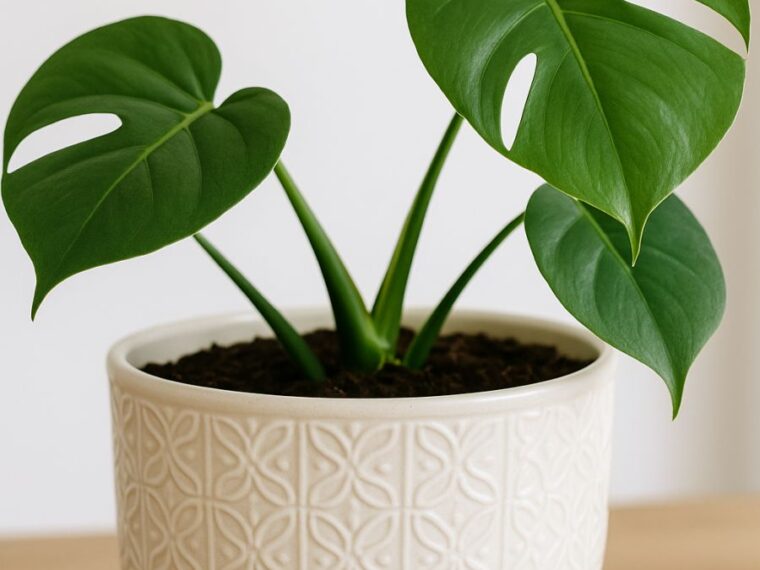
The holiday season is a time of joy, celebration, and often, an abundance of festive decorations. Among these, holiday planters are a popular choice for adding a touch of greenery and color to our homes. As the festivities wind down, however, many of us are left wondering what to do with these once-vibrant displays. Rather than discarding them, why not repurpose your holiday planters for the New Year? By transforming these planters into houseplants, you can bring a fresh, green vibe into your home as you step into January.
Repurposing holiday planters is not only an environmentally friendly option but also a creative way to refresh your indoor spaces. With a little bit of care and imagination, your holiday planters can serve as the basis for beautiful, thriving houseplants that will last well beyond the New Year. This guide will walk you through the steps needed to repurpose your planters smartly and effectively, ensuring they add to your home’s beauty and serenity in the coming months.
1. Take Stock: What’s Actually In Your Holiday Planter?
Before you can begin repurposing your holiday planter, it’s important to take stock of its contents. Holiday planters often contain a mix of seasonal plants, decorative elements, and filler materials. Common plants found in these arrangements include evergreens such as spruce or pine, as well as flowering plants like poinsettias or amaryllis. In addition to the plants, planters may also be filled with decorative items like pinecones, ornaments, and ribbons.
Start by carefully examining your planter to identify which elements are still healthy and viable. Check the condition of the plants, looking for signs of wilting or disease. Measure the planter to determine its size, which will help you decide whether it’s suitable for the plants you wish to repurpose. Taking an inventory of what you have is a crucial first step in deciding how best to proceed with your repurposing efforts.
2. Strip The Seasonal Stuff Without Damaging The Roots
Once you’ve identified the viable components of your planter, it’s time to remove the seasonal decorations and any unhealthy plant matter. Begin by gently removing ornaments, ribbons, and other decorative elements. Be cautious not to disturb the roots of the plants you wish to keep. If any plants are intertwined with these decorations, use scissors to carefully cut them free.
Next, remove any dead or dying plants. Take care to remove only the unhealthy parts, preserving as much of the root system as possible. This step is crucial for ensuring the remaining plants can thrive when repurposed. It’s important to handle plants gently during this process to avoid damaging their roots, which are essential for nutrient uptake.
3. Sanitize Smart: How To Clean Pots So Pests Don’t Tag Along
Sanitizing your planter is an essential step to prevent pests and diseases from affecting your new houseplants. Begin by removing all soil from the planter. You can do this by gently shaking the planter or using a small trowel. Once the soil is removed, wash the planter with warm, soapy water to remove any residues.
To further sanitize, you can use a solution of one part bleach to nine parts water. Soak the planter in this solution for at least 10 minutes, then rinse thoroughly with clean water. Allow the planter to dry completely before adding new soil and plants. This process ensures that your planter is a clean and safe environment for your houseplants, reducing the risk of pest infestations and diseases.
4. Refresh The Soil: When To Reuse, When To Replace
Deciding whether to reuse or replace the soil in your planter depends on its condition. If the soil appears compacted, discolored, or emits a foul odor, it’s best to replace it entirely. Old soil can harbor pests and pathogens that could harm your new plants.
If the soil seems relatively fresh and free of pests, you can refresh it by mixing in new potting mix. A good quality potting mix, often enriched with perlite or vermiculite, will provide the necessary nutrients and drainage for houseplants. Consider adding some slow-release fertilizer to encourage new growth. Replenishing the soil ensures your houseplants have a nutrient-rich environment to thrive in.
5. Give Evergreen Centerpieces A Second Life Indoors
Evergreens like spruce, pine, and cedar are commonly used in holiday planters and can be transitioned indoors with the right care. These plants require good light and cool temperatures to thrive. Place them near a bright window but away from direct heat sources like radiators.
Ensure that the soil remains moist but not waterlogged. Evergreens appreciate higher humidity levels, so consider misting them occasionally or placing a humidifier nearby. With proper care, these plants can continue to add greenery to your home long after the holidays have passed.
6. Turn Leftover Branches Into DIY Propagation Stations
If you have leftover branches or cuttings from your holiday planter, consider using them to create a propagation station. Many plants can be propagated from cuttings, allowing you to grow new plants from the remnants of your holiday decor.
Choose healthy cuttings about 4-6 inches long, and remove the lower leaves. Place the cuttings in a jar of water, ensuring that no leaves are submerged. Change the water every few days to keep it fresh. With time, roots will begin to form, and once they are about an inch long, you can transplant the cuttings into soil.
7. Transform Festive Planters Into Low-Maintenance New Year Herb Gardens
Repurposing your planter as a herb garden is a practical way to enjoy fresh herbs year-round. Herbs like basil, mint, and rosemary thrive indoors with adequate sunlight and regular watering. Select herbs that you frequently use in cooking for maximum utility.
Fill your planter with a high-quality potting mix and plant the herb seeds or seedlings according to their spacing requirements. Place the planter in a sunny spot, such as a windowsill, and water the herbs when the top inch of soil feels dry. Regular pruning will encourage bushier growth and ensure a steady supply of fresh herbs.
8. Repot Gift Poinsettias, Amaryllis, And Paperwhites For Long-Term Growth
Gift plants such as poinsettias, amaryllis, and paperwhites are popular during the holiday season and can be repotted for longer enjoyment. Start by choosing a pot that is slightly larger than the current one, with adequate drainage holes.
Gently remove the plant from its original pot, taking care not to damage the roots. Fill the new pot with fresh potting mix, place the plant at the same depth it was growing at before, and water thoroughly. These plants require bright, indirect light and should be watered when the soil surface feels dry. With proper care, they can bloom again in future years.
9. Viral Hack: Use Moss, Pinecones, And Ornaments As Chic Top Dressings
Elevate the aesthetic of your repurposed planters by using leftover holiday materials as top dressings. Moss, pinecones, and small ornaments can add texture and visual interest to your houseplants.
Layer a thin layer of sheet moss over the soil to help retain moisture and create a lush appearance. Scatter pinecones and ornaments artistically on top, avoiding overcrowding to allow the plants room to breathe. This simple hack adds a stylish flair to your indoor garden, making it a standout feature in any room.
10. Upcycle Outdoor Urns Into Statement Indoor Floor Planters
Large outdoor urns used for holiday displays can be repurposed as striking indoor floor planters. Their size makes them ideal for housing larger houseplants like fiddle leaf figs, monsteras, or rubber trees.
Ensure the urn is thoroughly cleaned and sanitized before bringing it indoors. Line the bottom with rocks or gravel to improve drainage, then fill with a suitable potting mix. Position the planter in a well-lit area, and select plants that complement your home’s decor. These oversized planters can serve as unique statement pieces that draw the eye and add greenery to your interiors.
11. Create Mini Jungle Vibes With Mixed Houseplant Arrangements
Transform your holiday planter into a lush, mini jungle by incorporating a variety of houseplants with different textures and colors. Choose plants with similar light and water requirements to ensure they thrive together.
Layer taller plants in the back and shorter, trailing plants in the front to create depth and interest. Consider plants like ferns, pothos, and calatheas for a diverse and vibrant arrangement. Regular maintenance, such as pruning and watering, will keep your mini jungle healthy and thriving, bringing a touch of the tropics into your home.
12. Use Self-Watering And Wick Hacks For Fuss-Free January Care
Simplify plant care with self-watering systems and wick watering hacks. These methods ensure your plants receive consistent moisture, even if you’re away or busy.
To create a self-watering system, use a planter with a water reservoir at the bottom. Plants will absorb water through capillary action. Alternatively, use a wick made from cotton rope or a similar material. Insert one end into the soil and the other end into a water-filled container. These techniques are particularly useful in maintaining healthy plants during the dry winter months, providing peace of mind and reducing the frequency of watering.
13. Style Your “De-Holidayed” Planters For A Fresh New Year Look
After repurposing your holiday planters, give them a fresh look that suits the New Year’s aesthetic. Consider repainting or refinishing the planter to match your interior decor. Neutral colors or metallic finishes can create a sophisticated appearance
Accessorize the planters with decorative stones, crystals, or small sculptures to enhance their visual appeal. Position them strategically in your home to complement your interior design. By styling your planters thoughtfully, you can create a cohesive and inviting atmosphere that reflects your personal style and welcomes the New Year with open arms.