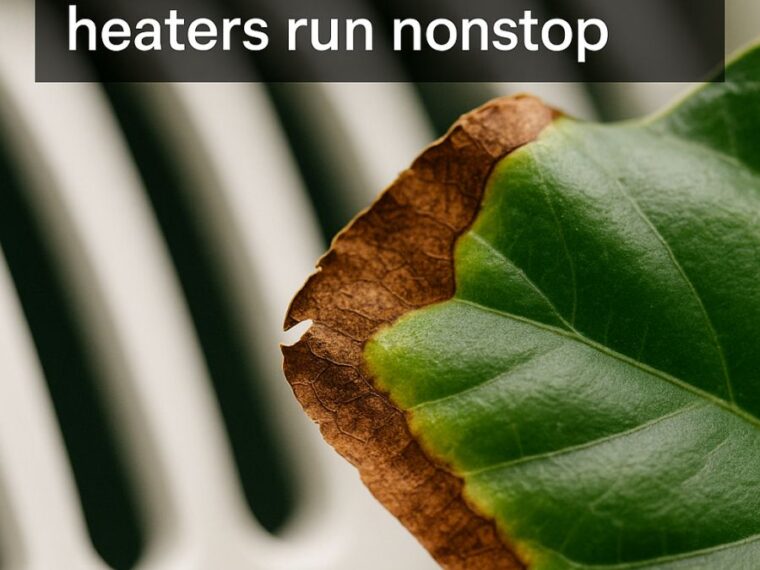
As the New Year approaches and temperatures drop, many of us turn to our trusty heaters to keep our homes warm and cozy. However, while humans bask in the warmth, our indoor plants can suffer from the dry, heated air, leading to leaf damage and stress. The transition into the colder months doesn’t have to spell doom for your beloved greenery. By understanding how to counteract the effects of constant heating, you can maintain a healthy environment for your plants all winter long.
Leaf damage during winter is often caused by a combination of dry air, fluctuating temperatures, and inadequate sunlight. These conditions can cause leaves to become crispy, brown, and eventually fall off. Fortunately, there are several strategies you can employ to prevent these issues and ensure your plants thrive even when the heater runs nonstop. This article will provide you with practical tips and solutions to keep your plants healthy as the New Year begins.
1. Understand How Winter Heating Damages Leaves
Winter heating can significantly reduce indoor humidity levels, often dropping them to below 30%, while most houseplants thrive in environments with 40-60% humidity. The dry air can cause plant leaves to lose moisture rapidly, resulting in dehydration and browning. Additionally, the heat from radiators and vents can cause temperature fluctuations that stress plants. It’s crucial to recognize that the combination of low humidity and high temperatures can cause stomata (pores in leaves) to close, which limits photosynthesis and affects overall plant health.
Moreover, the heat can cause soil to dry out quicker than usual, leading to root damage if not monitored carefully. The symptoms of heating-related leaf damage include wilting, brown leaf edges, and leaf drop. Understanding these effects helps in taking preventive measures to maintain plant health throughout the heating season.
2. Spot Early Warning Signs Before Leaves Crispen and Drop
Early detection of leaf damage is key to preventing further stress. Look for subtle signs such as slight wilting or curling of leaves, which indicate that your plant is not getting enough moisture. Pay attention to any discoloration, particularly browning or yellowing at the leaf tips, as this is often a precursor to leaf drop.
Inspect your plants regularly, ideally weekly, to catch these signs early. A proactive approach allows you to adjust care routines before significant damage occurs. Use a magnifying glass if necessary to check for tiny pests that may exacerbate the issue. By staying vigilant, you can maintain healthy foliage and prevent leaf loss.
3. Master Indoor Humidity: Hygrometers, Humidifiers, and DIY Fixes
Maintaining proper humidity levels is essential for preventing leaf damage in heated environments. Invest in a hygrometer to monitor indoor humidity accurately. Aim for a humidity level of 40-60% for most houseplants. If your home’s humidity is below this range, consider using a humidifier to add moisture to the air.
If a humidifier isn’t an option, there are DIY fixes you can try. Group plants together to create a microenvironment that retains humidity. You can also place a shallow dish filled with water near your plants, as the evaporating water will increase local humidity. Additionally, consider placing bowls of water on top of radiators to release moisture into the air as they warm up.
4. Try the Viral Pebble-Tray and Water-Bowl Radiator Hacks
The pebble-tray method is a popular and effective way to increase humidity around plants. Simply fill a tray with pebbles and add water until it just reaches the top of the pebbles. Place your plant pot on the tray, ensuring the pot is not sitting directly in the water. This setup allows water to evaporate around the plant, creating a humid microenvironment.
Another simple method is the water-bowl radiator hack. Place a bowl of water on top of a radiator. As the radiator heats up, the water will evaporate, adding moisture to the air. This method is particularly effective in small rooms where radiators are used frequently.
5. Move Plants Away From Radiators, Vents, and Drafty Windows
Positioning plays a crucial role in preventing leaf damage. Keep plants away from direct heat sources like radiators and vents, which can cause rapid temperature fluctuations and dry out leaves. A minimum distance of 1-2 feet from these sources is recommended.
Also, avoid placing plants too close to drafty windows, as cold drafts can shock plants and lead to leaf drop. Instead, position plants in areas with consistent temperatures and indirect natural light to mimic their native environments.
6. Adjust Watering Schedules for Dry, Heated Winter Air
The dry air from heaters can cause soil to dry out faster than usual, requiring adjustments to your watering schedule. However, it’s important not to overwater, as this can lead to root rot. Check the soil moisture regularly by inserting your finger about an inch deep into the soil. If it feels dry, it’s time to water.
Consider reducing the amount of water each time but increasing the frequency to keep the soil consistently moist without waterlogging. Use room-temperature water to avoid shocking the plants with cold water, which can be particularly harmful during the winter months.
7. Shield Leaves With Misting, Humidity Tents, and Shower Sessions
Misting is a quick and easy way to add moisture to your plants’ leaves, but it should be done with caution. Use distilled or rainwater to avoid mineral buildup on leaves and mist in the morning to allow leaves to dry out during the day.
For plants that require high humidity, consider using humidity tents or domes. These can be made from clear plastic or glass and placed over individual plants or groups to trap moisture. Additionally, shower sessions can be beneficial. Occasionally place plants in the bathroom while you shower to let them enjoy the steam, or gently rinse them under a lukewarm shower to clean off dust and increase humidity.
8. Rotate and Relocate Plants to Maximize Gentle Winter Light
During winter, daylight hours are shorter, and sunlight is less intense. To ensure your plants receive adequate light, rotate them periodically so all sides receive equal exposure. This prevents uneven growth and encourages robust foliage.
Relocate plants to areas where they can receive indirect sunlight for longer periods, such as near south or west-facing windows. If natural light is insufficient, consider supplementing with grow lights, which provide the full spectrum of light that plants need for photosynthesis.
9. Protect Sensitive Species With Grouping and Microclimates
Some plant species are more sensitive to changes in humidity and temperature. Grouping these plants together can create a microclimate with higher humidity levels due to the collective transpiration of the group.
Plants like ferns, orchids, and tropical varieties benefit from this arrangement. Create small clusters of plants on a shelf or a table, and place a humidifier nearby to enhance the effect. Additionally, consider using terrariums for miniature species, which naturally maintain a humid environment.
10. Clean, Dust, and Inspect Leaves to Boost Their Resilience
Dust accumulation on leaves can hinder photosynthesis, impacting plant health. Regularly wipe down leaves with a damp cloth or sponge to remove dust and debris. This practice not only improves light absorption but also allows you to inspect for signs of pests or disease.
Pay attention to the undersides of leaves, where pests often hide. By maintaining clean leaves, you enhance the plant’s ability to photosynthesize efficiently, making it more resilient to the challenges of winter heating.
11. Fine-Tune Fertilizing and Pruning for the Heating Season
During the winter months, many plants enter a period of dormancy and require less fertilization. Over-fertilizing can lead to salt buildup in the soil, which stresses plants. Reduce fertilization frequency to once a month or even less, depending on the plant species.
Pruning is also essential to remove any dead or damaged leaves, which can attract pests and disease. Trim back leggy growth to encourage bushier growth in the spring. Use clean, sharp tools to make precise cuts and reduce the risk of infection.
12. Use Smart Tech: Timers, Sensors, and Apps to Prevent Leaf Stress
Embrace technology to help manage plant care during the winter. Use smart timers and sensors to automate lighting and watering schedules, ensuring plants receive consistent care. Moisture sensors can alert you when soil becomes too dry, preventing underwatering.
Additionally, plant care apps can provide reminders and tips tailored to your plant species, helping you adjust care routines as needed. By leveraging technology, you can maintain optimal conditions for plant health, even when life gets busy.
13. Create a New Year Plant Care Routine You Can Actually Stick To
As the New Year begins, set realistic and sustainable plant care goals. Assess your current routine and make any necessary adjustments to accommodate changes in your schedule or living environment. Create a checklist or calendar to track tasks like watering, misting, and cleaning
Start small by incorporating one or two new habits, such as regular leaf cleaning or humidity checks, and build from there. Consistency is key to ensuring your plants thrive, so choose a routine that fits seamlessly into your daily life. By establishing a practical and enjoyable plant care regimen, you can look forward to healthy, vibrant plants throughout the winter and beyond.