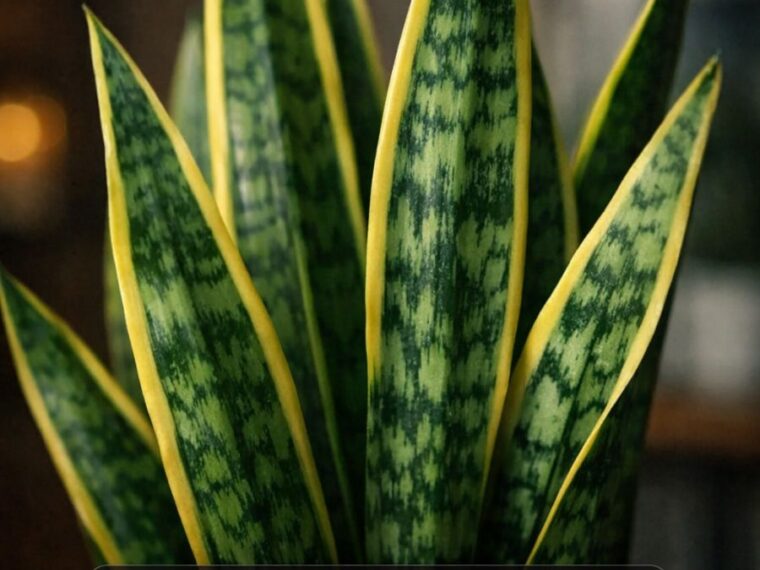
Snake plants (Sansevieria), also known as mother-in-law’s tongue, are beloved for their hardy nature and air-purifying qualities. However, even these resilient houseplants can struggle during the dark days of January. Understanding how to care for them during this period can help ensure their vitality and growth come springtime.
While snake plants are generally low-maintenance, they do have specific needs during the winter months. The decrease in natural light and temperature changes can cause them to stall or stop growing altogether. But with a few strategic adjustments, you can help your snake plant thrive even in the darkest days of winter.
1. Understand Why Snake Plants Stall In Winter
Snake plants naturally enter a dormant phase during the winter months. This is a period when their growth slows down significantly due to the reduced availability of light and cooler temperatures. In their native habitat, these plants are accustomed to warm, bright conditions, so the drastic changes in a typical home environment during winter can be stressful for them.
It’s important to recognize that this stalling is a normal part of their life cycle. The key is to adjust your care routine to accommodate their reduced metabolic needs. Monitoring the room temperature, which should ideally be kept between 60-75°F (15-24°C), can prevent unnecessary stress on your plant.
2. Maximize The Little Light Your Snake Plant Gets
Light is a crucial factor for snake plants, and during the short days of January, they can suffer from insufficient exposure. If possible, place your snake plant near a south or east-facing window to maximize the amount of natural light it receives each day. Ensure that the window is clean to allow maximum light entry.
If natural light is limited, consider using mirrors to reflect light onto the plant. This can effectively increase the light exposure without needing additional resources. Regularly rotate the plant so all sides receive equal light exposure, preventing uneven growth.
3. Use Smart Artificial Lighting Without Overdoing It
Supplemental lighting can be beneficial during the winter months, but it’s important to use it wisely to avoid overwhelming your snake plant. LED grow lights are an excellent choice as they are energy-efficient and can provide the specific wavelengths of light that plants require for photosynthesis.
Position the grow lights about 12-18 inches above the plant and use a timer to mimic natural daylight hours, ideally providing 10-12 hours of light per day. Be cautious not to exceed this amount, as too much artificial light can cause leaf burn and stress.
4. Rotate And Reposition Pots Like A Pro
Regularly rotating your snake plant can ensure even light distribution, which is crucial during the low-light months. Turn your plant by 45 degrees every week to promote balanced growth on all sides.
In addition, consider repositioning your plant if its current location is too shaded. A bright spot near a window or under a grow light is ideal. Monitor your plant’s response to these changes, as sudden moves can sometimes cause temporary stress.
5. Master Winter Watering: Less, But Smarter
During winter, snake plants require less water due to their reduced growth rate. Overwatering is a common issue that can lead to root rot, especially when combined with cooler temperatures.
Water your snake plant only when the top inch of the soil feels dry to the touch. This might mean watering every 3-4 weeks, depending on your home’s humidity and temperature. Use lukewarm water to avoid shocking the roots, and ensure the pot has proper drainage to prevent waterlogging.
6. Fix Cold Drafts, Radiators, And Other Hidden Stressors
Snake plants are sensitive to sudden temperature fluctuations and drafts. Keep them away from cold windows, doors, and heating vents. These conditions can cause the foliage to yellow or brown.
Place your plant in a stable environment with consistent temperatures. If your plant is near a radiator, use a humidity tray or humidifier to counteract the dry air it produces.
7. Choose The Right Soil Mix For Low-Light Months
The right soil mix can make a significant difference in your snake plant’s health during winter. A well-draining cactus or succulent mix is ideal, as it prevents water from sitting in the pot and causing root rot.
Consider adding perlite or sand to your current potting mix to improve drainage. This adjustment ensures that the soil dries out properly between waterings, which is crucial during the plant’s dormant period.
8. Hold The Fertilizer: Adjust Feeding For Dormant Season
Fertilizing during the dormant winter months can do more harm than good. Snake plants do not require additional nutrients during this period, as their growth is minimal.
Refrain from fertilizing until spring when the plant resumes active growth. Over-fertilizing during winter can lead to salt buildup in the soil, which can damage the roots and leaves.
9. Try The Clear-Pot And Mirror Hacks To Boost Light
Using clear pots can help ensure that light reaches the roots, although this is more beneficial for aesthetic purposes. Another effective trick is to strategically place mirrors behind or beside the plant to reflect sunlight onto it.
This mirror hack can double the amount of light your snake plant receives without increasing your electricity bill. Clean the mirrors regularly to maintain optimal reflectivity.
10. Group Plants For A Microclimate Advantage
Grouping your snake plant with other houseplants can create a microclimate that retains humidity and warmth, both of which are beneficial during the winter months.
This setup can also help with pest prevention, as increased humidity can deter certain pests. Ensure that each plant has enough space for air circulation to prevent mold and mildew.
11. Clean The Leaves So They Can Actually Photosynthesize
Dust accumulates on snake plant leaves over time, particularly during the winter when windows are often closed. This dust can block light and reduce photosynthesis efficiency.
Wipe the leaves gently with a damp cloth every few weeks to keep them clean. This not only improves the plant’s ability to photosynthesize but also helps it look its best.
12. Prune, Propagate, And Refresh Tired Snake Plants
Winter is an excellent time to prune any damaged or yellowing leaves from your snake plant. This helps the plant conserve energy and focus on healthy growth.
While propagation is typically more successful in spring, you can start preparing by separating offsets or cutting healthy leaves for propagation. Refresh the top layer of soil to provide a slight nutrient boost without full fertilization.
13. Know What Healthy Winter “Stalling” Really Looks Like
It’s crucial to recognize the difference between healthy stalling and signs of distress. Healthy stalling means the plant’s leaves remain firm and upright, with no significant color changes.
If you notice excessive yellowing, drooping, or mushy leaves, it may indicate overwatering or exposure to cold drafts. Adjust your care routine accordingly, and remember that patience is key during the winter months.