Orchids are a beautiful and exotic addition to any home, but they can be particularly challenging to maintain in full bloom during the cold winter months. While these tropical plants naturally thrive in warm, humid environments, your home in January may present quite the opposite. Fortunately, with a bit of knowledge and some strategic adjustments, you can keep your orchid lush and blooming even through the chilliest days of the year.
Understanding the specific needs of your orchid is crucial to ensuring its health and vibrancy. Each type of orchid may have slightly different requirements, but there are general principles that apply to most. From adjusting your home’s environment to tweaking your care routine, these steps will help you nurture your orchid through the winter, resulting in a plant that not only survives but thrives.
1. Understand What Your Orchid Really Needs in Winter
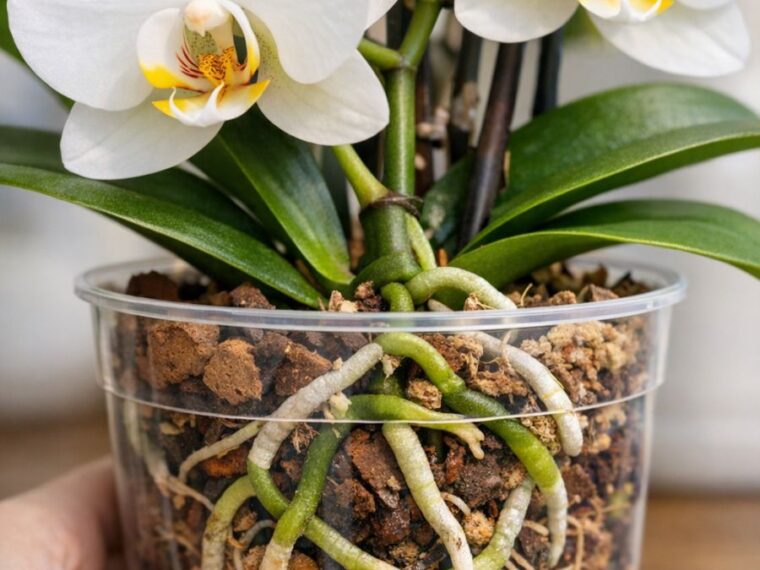
Orchids require specific conditions to flourish, particularly in winter when natural conditions are not as favorable. The key is to replicate the orchid’s native environment as closely as possible. Most orchids are epiphytes, meaning they grow on other plants rather than in the soil. Therefore, they need good air circulation and a potting medium that allows for proper drainage. During winter, orchids enter a period of dormancy or slow growth, which means they require less water and fertilizer. It is crucial to understand the specific variety of orchid you have, as this will dictate specific care needs such as light, temperature, and humidity.
2. Adjust Indoor Temperatures to Mimic a Tropical Climate
Orchids are native to tropical climates, so they thrive in warm temperatures. During the winter, it’s important to keep your home’s temperature between 65°F (18°C) and 75°F (24°C) during the day and slightly cooler at night. Avoid placing your orchids near cold drafts or heating vents, as sudden temperature changes can stress the plant. If your house tends to be cooler, consider using a space heater or heat mat, but ensure that the temperature increase is gradual.
3. Master the Art of Winter Watering
Watering orchids during winter requires a delicate balance. Since growth slows, orchids don’t need as much water as they do in the warmer months. Overwatering is a common mistake and can lead to root rot. Allow the potting medium to dry out slightly between waterings. A good rule of thumb is to water every 10 to 14 days, but this can vary depending on the humidity and temperature of your home. Always use lukewarm water and water in the morning to allow excess moisture to evaporate during the day.
4. Boost Humidity With Simple At-Home Hacks
Orchids thrive in environments with 50% to 70% humidity, which can be challenging to achieve indoors during winter when heating systems dry out the air. To increase humidity around your orchids, consider placing a humidity tray filled with water and pebbles under your orchid pots. Grouping orchids together can also help create a microclimate with higher humidity. Alternatively, you can use a humidifier in the room where your orchids are located to maintain optimal humidity levels.
5. Give Your Orchid the Right Kind of Winter Light
Light is essential for orchids, especially during the shorter days of winter. Orchids generally prefer bright, indirect light. A south or east-facing window is ideal, but avoid direct sunlight, which can scorch the leaves. If natural light is insufficient, consider supplementing with artificial grow lights. Ensure that your orchid receives about 12-14 hours of light per day to mimic the longer days in their natural habitat.
6. Use Strategic Temperature Drops to Trigger More Blooms
Many orchids, like the Phalaenopsis, require a drop in temperature to trigger blooming. A nighttime temperature drop of about 10°F (5°C) can encourage the development of flower spikes. This natural cooling period mimics the orchid’s native environment, signaling to the plant that it’s time to bloom. Be careful not to expose your orchid to temperatures below 55°F (13°C) to avoid shocking the plant.
7. Feed for Flowers: Winter Fertilizer Dos and Don’ts
During winter, orchids need less fertilizer since their growth slows down. Use a balanced orchid fertilizer, such as a 20-20-20 mix, diluted to half strength every 4-6 weeks. Avoid over-fertilizing, as this can lead to root burn and hinder blooming. Pay attention to the specific needs of your orchid variety, as some may have different nutrient requirements during dormancy.
8. Repot at the Right Time—And Avoid January Mistakes
Repotting orchids during their dormant phase, typically in early spring, is ideal. However, if your orchid’s roots are severely compacted or decaying, it may be necessary to repot even in January. Use an orchid-specific potting mix and ensure the pot has good drainage. Avoid repotting if your orchid is actively blooming, as this can stress the plant and lead to bud drop.
9. Protect Roots and Leaves From Drafts, Radiators, and Dry Air
Orchids are sensitive to environmental changes, so it’s important to keep them away from drafts and direct heat sources. Cold drafts from windows or doors can cause the plant to drop buds or flowers, while hot, dry air from radiators can dehydrate the plant. Position your orchid in a stable environment with consistent temperatures and humidity, and use a room thermometer to monitor conditions.
10. Try Viral Ice Cube and Bark Hacks—Safely
The ice cube watering method, where a few ice cubes are placed on the orchid’s potting medium, is a popular hack for providing a slow release of water. While this can be effective, it’s essential to ensure the ice doesn’t directly contact the roots or leaves to prevent damage. Similarly, adding bark to the potting medium can improve drainage and air circulation, but make sure it’s the appropriate size for your orchid species to avoid compacting.
11. Spot Early Stress Signs Before Buds Drop
Preventing bud drop starts with recognizing early signs of stress in your orchid. Look for signs such as yellowing leaves, limp or shriveled roots, and wilting flower buds. These can indicate issues like overwatering, insufficient light, or low humidity. Addressing these problems early can prevent further stress and ensure your orchid continues to bloom.
12. Create a Mini Orchid Corner That Flowers on Repeat
Designating a specific area in your home for orchids can help maintain consistent conditions. Choose a location with optimal light and humidity, and consider using shelving to accommodate multiple plants. This setup not only creates an attractive display but also makes it easier to manage the care requirements for multiple orchids, increasing the likelihood of repeat blooms
13. Plan Post-January Care So Blooms Keep Coming
As winter transitions to spring, gradually increase watering and fertilizing to support new growth. Monitor the light exposure as the sun’s intensity increases, and adjust your orchid’s positioning as needed to prevent sunburn. Continued care and attention to your orchid’s changing needs will ensure that it remains healthy and continues to bloom through the year.