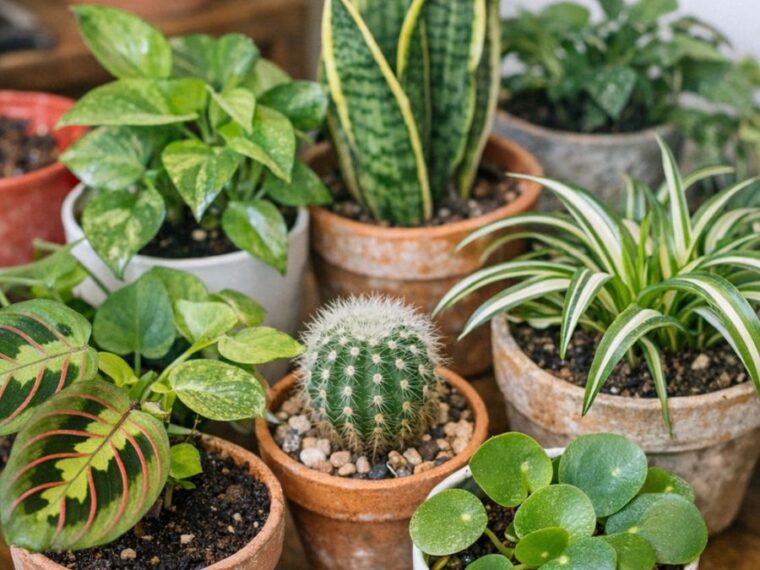
Winter can be a challenging time for indoor plants. The air inside our homes often becomes dry due to indoor heating systems, which can lead to reduced humidity levels. This drop in humidity can stress plants, leading to slower growth, wilting, and increased susceptibility to pests and diseases.
Many plant enthusiasts have discovered that grouping their plants together during winter can mitigate these issues. By creating a microclimate with increased humidity, plants can thrive even in the harshest indoor conditions. In this article, we explore the effects of grouping plants together during winter and how it benefits humidity and growth.
1. Why Winter Air Threatens Indoor Humidity and Plant Health
During winter, indoor heating systems are often used to keep homes comfortable, but they can significantly reduce the humidity levels in the air. The ideal humidity for most houseplants is between 40% and 60%, but indoor conditions can drop to as low as 10% during winter. Such low humidity can cause plants to lose moisture quickly, leading to dehydration and stress. This environment not only affects plant health but also creates an ideal breeding ground for pests like spider mites that thrive in dry conditions.
2. How Grouping Plants Creates a Shared Humidity Microclimate
When plants are grouped together, they create a microclimate where the humidity levels are higher than the surrounding environment. As plants transpire, they release moisture into the air, which is then shared among the grouped plants. This increase in humidity can be significant, sometimes raising the immediate area’s humidity by 10% to 15%, providing a more favorable environment for plant growth.
3. Reduced Transpiration Stress: Leaves Lose Less Moisture Together
In a grouped setting, the microclimate helps reduce the rate of transpiration. Transpiration is the process by which plants lose water through their leaves. In dry conditions, plants may lose moisture faster than they can absorb it, leading to wilting and stress. However, in a humid microclimate, the rate of water loss is decreased, allowing plants to maintain better hydration and reducing the risk of stress.
4. Stronger Root Systems in Stable, Humid Cluster Zones
The increased humidity in plant clusters supports the development of stronger root systems. In a stable, humid environment, roots can absorb moisture more efficiently, leading to improved nutrient uptake and overall plant health. This is particularly important during winter when root growth can be limited due to lower temperatures and drier soils.
5. Faster New Growth and Leaf Production in Plant Groups
Plants grouped together during winter often show faster new growth and leaf production. The shared humidity and reduced stress levels encourage plants to continue growing, rather than going dormant. The increased moisture availability supports cellular processes and energy production, allowing plants to produce new leaves and shoots even during the colder months.
6. Fewer Crispy Tips and Leaf Drop From Dry Indoor Air
Dry indoor air can cause the tips of leaves to become crispy and brown, and in severe cases, lead to leaf drop. Grouping plants together helps to alleviate this issue by maintaining higher humidity levels. With adequate moisture in the air, plants are less likely to suffer from these unsightly and damaging symptoms, ensuring they remain healthy and vibrant.
7. Natural Pest and Disease Moderation in Clustered Plants
While dry conditions can exacerbate pest issues, a humid microclimate can help moderate them. Many pests, such as spider mites, prefer dry environments and may not thrive in higher humidity areas. Additionally, maintaining optimal humidity levels can bolster a plant’s natural defenses against diseases, reducing the likelihood of infections and infestations.
8. Improved Recovery for Weak or Recently Repotted Plants
Plants that are weak or have been recently repotted are particularly vulnerable to stress from dry air. Grouping these plants with others can create a supportive environment that aids in their recovery. The increased humidity and reduced stress levels help newly repotted plants establish their roots and regain strength more quickly than they would in isolation.
9. Strategic Grouping by Species for Optimal Winter Growth
Grouping plants by species can enhance the benefits of creating a microclimate. Plants with similar humidity, light, and water needs can be placed together to maximize their growth potential. For example, tropical plants that thrive in high humidity will benefit from being clustered together, ensuring each plant receives the conditions it needs to flourish
10. Combining Plant Grouping With Trays, Pebbles, and Humidifiers for Maximum Effect
To further enhance the benefits of plant grouping, consider using trays filled with pebbles and water to increase humidity levels. The water evaporates from the tray, adding moisture to the air around the plants. Additionally, using a humidifier in the room can help maintain consistent humidity levels, ensuring that all plants in the group receive the moisture they need to thrive during winter.