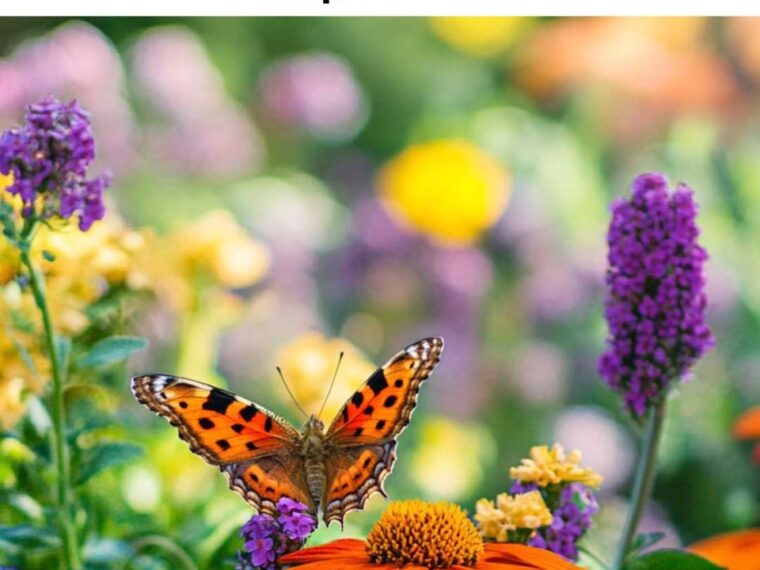
Transforming your backyard into a butterfly haven is not only a rewarding endeavor but also a crucial step in supporting local ecosystems. Butterflies are not just beautiful creatures; they play a vital role in pollination, helping plants reproduce and maintaining the balance of nature. By creating a butterfly-friendly garden, you can enjoy the vibrant colors and delicate movements of these insects while contributing to biodiversity. This article will guide you through the process of selecting the right plants and creating an environment that attracts and sustains butterflies.
Understanding the Needs of Butterflies
To create a successful butterfly haven, it’s important to understand the basic needs of butterflies. They require nectar-rich flowers for food, host plants for laying eggs, and a safe habitat free from pesticides. Butterflies are cold-blooded and need sunny spots to bask and warm up. Additionally, they need shallow water sources for hydration and mud puddles for minerals. By catering to these needs, you can attract a variety of butterfly species to your garden.
The Importance of Native Plants
Native plants are crucial in a butterfly garden because they have co-evolved with local butterfly species. These plants provide the specific nutrients and habitat conditions that native butterflies need to thrive. Native plants are also more resilient to local climate conditions and pests, making them easier to maintain. By incorporating native plants, you support local wildlife and contribute to the preservation of native butterfly species.
Choosing the Right Plants for Your Region
Selecting plants that are suited to your region’s climate and soil conditions is essential for a thriving butterfly garden. Research the native butterfly species in your area and the plants they prefer. Consider factors such as sunlight, soil type, and water availability when choosing plants. Local gardening centers or extension services can provide valuable information on the best plants for your region.
Planting for Continuous Bloom
To keep butterflies visiting your garden throughout the season, plant a variety of flowers that bloom at different times. This ensures a continuous supply of nectar. Choose a mix of early, mid, and late-season bloomers to provide food from spring through fall. This diversity not only attracts butterflies but also other beneficial pollinators.
Creating a Diverse Habitat
A diverse habitat attracts a wider range of butterfly species. Include a mix of flowering plants, shrubs, and trees to provide shelter and food sources. Incorporate both nectar plants for adult butterflies and host plants for caterpillars. This diversity mimics natural ecosystems and supports a healthy butterfly population.
Providing Water Sources
Butterflies need water for hydration and minerals. Create shallow water sources such as birdbaths with stones for perching or shallow dishes filled with sand and water. Mud puddles are also beneficial as they provide essential minerals. Ensure water sources are clean and accessible.
Avoiding Pesticides and Chemicals
Pesticides and chemicals can be harmful to butterflies and other beneficial insects. Avoid using them in your garden. Instead, focus on natural pest control methods such as encouraging predator insects and using companion planting. Healthy, diverse gardens are more resilient to pests.
Numbered List of 15 Plants to Attract Butterflies
Here are 15 plants that are known to attract butterflies and can transform your garden into a butterfly haven.
1. Milkweed: The Monarch Magnet
Milkweed is essential for monarch butterflies as it is the only plant where they lay their eggs. Its flowers provide nectar for adult butterflies, making it a must-have in any butterfly garden.
2. Butterfly Bush: A Nectar-Rich Favorite
Butterfly bush is known for its long, fragrant flower spikes that attract a variety of butterflies. It blooms from summer to fall, providing a continuous nectar source.
3. Coneflower: A Vibrant Pollinator
Coneflowers are hardy perennials with large, colorful blooms. They attract butterflies with their rich nectar and provide seeds for birds in the fall.
4. Lantana: A Colorful Attraction
Lantana’s vibrant clusters of flowers are irresistible to butterflies. They thrive in sunny spots and are drought-tolerant, making them easy to care for.
5. Black-Eyed Susan: A Hardy Option
Black-eyed Susans are tough, drought-resistant plants with bright yellow flowers. They attract butterflies and other pollinators throughout the summer.
6. Joe-Pye Weed: A Tall and Tasty Treat
Joe-Pye weed is a tall perennial with clusters of pinkish-purple flowers. It attracts butterflies with its abundant nectar and blooms in late summer.
7. Zinnia: Easy to Grow and Butterfly-Friendly
Zinnias are annuals that come in a variety of colors and sizes. They are easy to grow and provide nectar for butterflies from summer to fall.
8. Aster: Late Season Bloomer
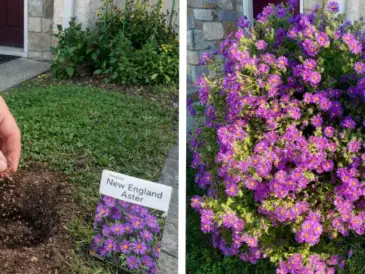
Asters bloom in late summer and fall, providing vital nectar for migrating butterflies. Their star-shaped flowers come in various colors, adding beauty to the garden.
9. Verbena: A Low-Growing Nectar Source
Verbena is a low-growing plant with small clusters of flowers that are rich in nectar. It blooms from spring to fall, attracting butterflies and other pollinators.
10. Phlox: Fragrant and Attractive
Phlox is a fragrant perennial with clusters of colorful flowers. It attracts butterflies and blooms in mid to late summer, adding fragrance and color to the garden.
11. Lavender: Aromatic and Appealing
Lavender is not only aromatic but also a favorite of butterflies. Its purple flowers provide nectar, and its scent deters pests, making it a great addition to any garden.
12. Salvia: A Hummingbird and Butterfly Favorite
Salvia’s tubular flowers are perfect for butterflies and hummingbirds. It blooms from spring to fall and comes in a variety of colors.
13. Marigold: Bright and Beneficial
Marigolds are bright, cheerful flowers that attract butterflies and repel harmful insects. They are easy to grow and bloom throughout the summer.
14. Bee Balm: A Pollinator Powerhouse
Bee balm is a fragrant perennial with tubular flowers that attract butterflies, bees, and hummingbirds. It blooms in mid to late summer and adds a splash of color to the garden.
15. Yarrow: A Drought-Tolerant Choice
Yarrow is a hardy perennial with flat-topped clusters of flowers. It is drought-tolerant and attracts butterflies with its nectar-rich blooms.
Tips for Maintaining Your Butterfly Garden
Regular maintenance is key to a thriving butterfly garden. Deadhead spent flowers to encourage more blooms, water plants during dry spells, and remove invasive weeds. Monitor for pests and diseases, and use organic methods to manage them. Keep the garden tidy but allow some leaf litter and debris for caterpillar habitats.
Conclusion: Enjoying Your Butterfly Haven
Creating a butterfly haven in your backyard is a fulfilling project that brings beauty and life to your garden. By providing the right plants and habitat conditions, you can enjoy the presence of butterflies throughout the seasons. Take time to observe and appreciate the diverse species that visit your garden, knowing that you are contributing to the health of the ecosystem.