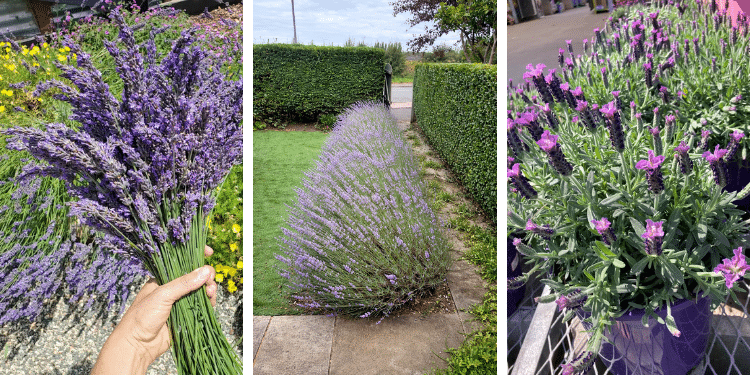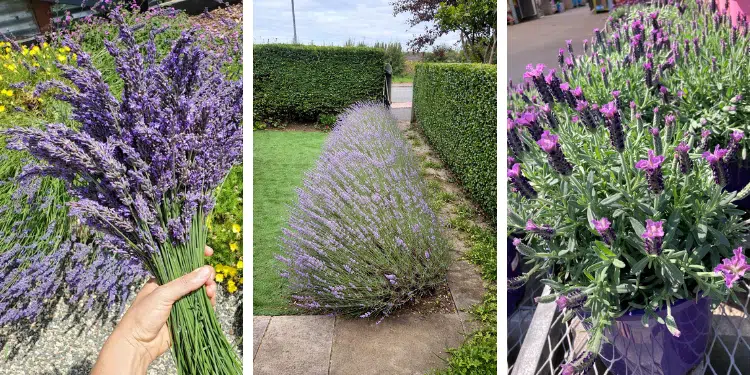
Lavender is one of the most loved plants in the world. Gardeners grow it for the calming fragrance, the purple blooms, and the classic Mediterranean look it brings to borders and pathways.
It’s famous in teas, oils, sachets, and sleep routines. But while most people appreciate lavender for how it smells, far fewer understand what lavender actually does in a garden ecosystem.
Lavender is not just decorative – it’s functional. It attracts key pollinators, supports beneficial insects, helps reduce certain pest pressures, improves microclimate conditions around plants, stabilizes dry soils, and increases biodiversity in both ornamental and edible gardens.
Lavender Is More Than a Fragrant Flower
Lavender (Lavandula species) is a woody perennial herb native to dry Mediterranean regions. That origin explains many of its garden superpowers.
It evolved in poor soils, strong sun, drought, and wind – which makes it uniquely useful in modern gardens facing heat and water stress.
Unlike many ornamentals, lavender contributes actively to the garden environment:
- It feeds pollinators
- It attracts beneficial predator insects
- It tolerates drought
- It improves border microclimates
- It supports companion planting
- It performs in poor soils
- It provides long bloom windows
When placed correctly, lavender becomes part of your garden’s infrastructure, not just decoration.
Lavender Is a Pollinator Power Plant
One of lavender’s strongest garden roles is pollinator support. Lavender produces abundant nectar and blooms for an extended period, often when other flowers are between cycles.
Bees, bumblebees, butterflies, and hoverflies are strongly drawn to it.
This matters because pollinator presence affects:
- Vegetable fruit set
- Berry production
- Seed formation
- Overall garden biodiversity
Planting lavender near vegetable beds and fruiting crops increases pollinator traffic across your entire garden – not just on the lavender itself.
Gardeners often notice that when lavender is in bloom, the whole garden becomes more biologically active.
Lavender Attracts Beneficial Insects (Not Just Bees)
Lavender doesn’t only bring pollinators – it also attracts beneficial predatory insects that help control pests naturally.
These include:
- Hoverflies (aphid predators)
- Parasitic wasps (caterpillar and pest egg parasites)
- Lacewings
- Predatory beetles
These insects feed on common garden pests such as:
- Aphids
- Small caterpillars
- Whiteflies
- Soft-bodied larvae
This makes lavender a strong companion plant near vegetables and roses because it helps shift the insect balance toward protection rather than damage.
Lavender May Help Deter Certain Pests (With Limits)
Lavender is often described as a pest-repelling plant. The truth is more nuanced – but still useful.
Lavender’s strong aromatic oils can help confuse scent-driven pests and reduce landing frequency for some insects, including:
- Moths
- Some flies
- Mosquitoes (mild effect nearby)
However, lavender is not a force field. It does not “repel all pests.” Its real value is in scent diversity and insect balance, not total exclusion.
Think of lavender as a pest-pressure reducer – not a pest eliminator.
Best results come when lavender is used as part of a diverse planting system rather than alone.
Lavender Improves Garden Microclimate at Edges
Lavender shrubs create low woody structure that modifies the microclimate along borders and paths. This has several subtle but valuable effects:
- Reduces soil wind exposure
- Slows surface evaporation
- Reflects heat toward nearby plants
- Creates airflow channels
- Defines bed edges
In hot climates, lavender borders can help protect more delicate neighboring plants from harsh afternoon exposure when positioned correctly.
It works especially well as a south or west bed border in dry gardens.
Lavender Is Excellent for Dry and Poor Soils
Many garden plants struggle in:
- Sandy soils
- Rocky soils
- Low fertility beds
- Sloped ground
- Dry borders
Lavender thrives there.
Its deep, woody root system helps:
- Stabilize loose soil
- Reduce erosion
- Open compacted layers over time
- Improve drainage channels
This makes lavender valuable for:
- Slopes
- Raised bed edges
- Gravel gardens
- Rock gardens
- Xeriscapes
Where other plants fail, lavender often succeeds.
Lavender Supports Companion Planting
Lavender works well as a companion plant – especially near crops that benefit from pollinators and beneficial insects.
Good companions include:
Roses – Lavender attracts predator insects and pollinators while enjoying similar sun and drainage conditions.
Cabbage family crops – Increased beneficial insect presence helps balance caterpillar pests.
Tomatoes and peppers – Pollinator support and scent diversity help reduce pest targeting patterns.
Fruit trees – Lavender planted at drip lines increases pollinator traffic.
Berry bushes – Improves insect diversity and border structure.
Important: Keep lavender slightly outside heavy irrigation zones – it dislikes wet roots.
Lavender Extends Bloom Season Value
Lavender often blooms during a critical window – after early spring flowers and before late summer perennials peak. That timing fills a nectar gap for insects.
A garden with bloom gaps supports fewer pollinators. Lavender helps bridge those gaps and keeps beneficial insects resident rather than transient.
Long bloom window = stable insect population.
Stable insect population = better garden balance.
Lavender Is a Low-Maintenance Structural Plant
Lavender provides long-term structure with relatively low maintenance once established.
Compared to many ornamentals, it requires:
- Less water
- Less fertilizer
- Less pest control
- Less seasonal replacement
With proper pruning once or twice yearly, lavender shrubs can remain productive and attractive for many years.
This makes them ideal for:
- Busy gardeners
- Low-input gardens
- Drought-resilient designs
- Pollinator landscapes
Lavender Helps Define Garden Design Functionally
Lavender is one of the few plants that works equally well for:
- Borders
- Hedges
- Path edges
- Bed dividers
- Kitchen garden lines
- Pollinator strips
Because it is evergreen to semi-evergreen in many climates, it adds year-round structure – not just seasonal color.
Functional design + ecological function = high garden value.
Where Lavender Should NOT Be Planted
Lavender struggles in:
- Heavy clay soil (unless amended)
- Constantly wet beds
- Deep shade
- Over-fertilized soil
- Poor drainage zones
Too much fertility produces weak growth and fewer oils. Too much moisture causes root rot.
Lavender prefers:
- Full sun
- Lean soil
- Excellent drainage
- Airflow
How to Use Lavender Strategically in the Garden
For maximum garden benefit, use lavender:
- Along vegetable bed borders
- Near roses and fruit bushes
- At garden entrances (pollinator gateway)
- Around seating areas
- Along paths
- At slope edges
- In dry corners
- In pollinator strips
Plant in clusters – not single isolated plants – to amplify insect attraction.
Most people grow lavender for the scent and beauty – but its real power is ecological.
Lavender feeds pollinators, attracts beneficial insects, supports companion crops, stabilizes dry soils, improves garden structure, and increases biodiversity.
It is both ornamental and functional – a rare combination in garden plants.