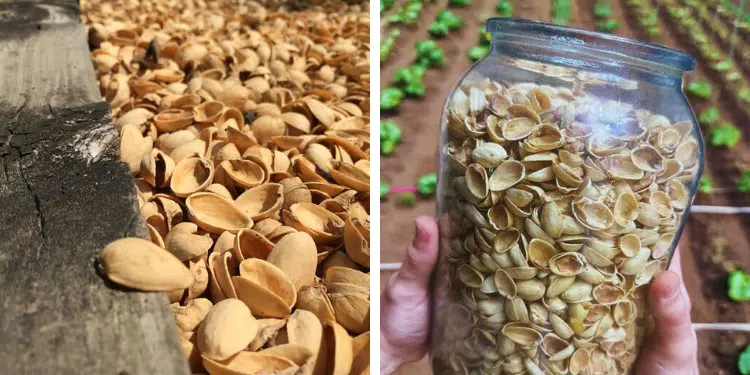
Every fall and winter, many of us crack open walnuts, almonds, pistachios, or pecans and enjoy their rich, nutritious kernels – only to toss the shells straight into the trash.
It’s a habit we don’t think twice about. But those hard, seemingly useless shells are far more valuable than they look.
In fact, nut shells are one of the most overlooked, eco-friendly resources you can add to your garden.
They’re completely biodegradable, rich in minerals, and packed with structural properties that make them useful in dozens of ways – from improving soil health to repelling pests and even decorating your garden paths.
Why Nut Shells Are a Gardener’s Secret Weapon
What’s Inside a Nut Shell?
Though they look like tough, lifeless husks, nut shells are made up of natural fibers, lignin, cellulose, and minerals – all of which benefit your garden in subtle but important ways.
Most nut shells, including walnuts, pecans, hazelnuts, pistachios, and almonds, share these valuable characteristics:
- Durability: They break down slowly, adding long-term structure and aeration to soil.
- Rich in minerals: Traces of calcium, potassium, and magnesium enrich the soil as they decompose.
- Excellent drainage properties: Their porous texture improves water flow and prevents root rot.
- pH-neutral to slightly acidic: Most shells have a balanced pH, making them suitable for a wide range of plants.
Environmental Benefits of Reusing Nut Shells
Using nut shells in the garden is a small but impactful way to reduce household waste and live more sustainably.
Instead of sending organic matter to landfills – where it contributes to methane emissions – you’re closing the nutrient loop and returning valuable material to the soil.
It’s an easy, zero-cost step that aligns perfectly with eco-friendly gardening principles.
Nut Shells as Natural Mulch
One of the most popular and effective ways to use nut shells in your garden is as mulch – a protective layer spread over the soil surface.
Why Mulching Matters
Mulching is a key part of healthy garden maintenance. It:
- Regulates soil temperature
- Reduces evaporation and conserves water
- Suppresses weeds
- Prevents soil erosion
- Adds organic matter as it breaks down
Why Nut Shells Make Excellent Mulch
Nut shells offer several unique advantages over traditional mulches like wood chips or straw:
- Long-lasting: They break down more slowly, so you don’t have to replace them as often.
- Lightweight but effective: Their porous structure allows air and water to penetrate while protecting the soil.
- Weed-suppressing: A thick layer of shells forms a physical barrier against weed seeds.
- Decorative: Crushed nut shells create a rustic, natural look that enhances garden aesthetics.
How to Use Them
- Clean and dry the shells: Rinse to remove salt (if they’re from salted snacks) and let them dry.
- Crush them slightly: Whole shells can be too large – break them into smaller pieces with a hammer or rolling pin.
- Spread a layer: Apply 2–3 inches around the base of plants, keeping the mulch a few inches away from stems.
Best plants for nut shell mulch:
- Perennials like lavender, rosemary, and sage
- Vegetable beds (especially tomatoes, peppers, and squash)
- Flower borders and ornamental shrubs
Enhancing Soil Structure and Drainage
Improving Soil Aeration
Compacted soil suffocates plant roots, reducing nutrient absorption and stunting growth. Crushed nut shells improve soil aeration by creating small air pockets that allow oxygen and water to move freely.
How to use:
- Mix a handful of finely crushed shells into the top 6–8 inches of soil when preparing new beds.
- Incorporate them into container soil to keep it loose and well-drained.
Preventing Root Rot with Better Drainage
Root rot is one of the most common causes of plant failure, especially in container gardening. Nut shells act as natural drainage material, preventing excess water from pooling at the roots.
How to use:
- Add a 1–2 inch layer of crushed shells at the bottom of pots before filling with soil.
- Mix shells into heavy clay soil to improve drainage over time.
Tip: Pistachio and hazelnut shells are especially good for drainage because of their small size and lightweight structure.
Compost Booster and Carbon Source
The Role of Nut Shells in Compost
Composting is the most efficient way to recycle organic matter, and nut shells are a valuable addition because they provide carbon, an essential element for balanced compost.
A good compost pile needs a balance of:
- “Greens” (nitrogen-rich): fruit and vegetable scraps, grass clippings
- “Browns” (carbon-rich): dried leaves, paper, wood chips — and nut shells
How to Add Nut Shells to Compost
- Crush shells into small pieces to speed up decomposition.
- Mix them with other brown materials to avoid clumping.
- Keep the overall carbon-to-nitrogen ratio around 30:1 for optimal composting.
Bonus tip: Crushed walnut shells add trace minerals that enrich finished compost, making it more nutrient-dense for your plants.
Natural Pest Control and Barrier Protection
Creating a Barrier Against Slugs and Snails
Slugs and snails dislike crawling over rough surfaces. A ring of crushed nut shells around tender plants creates a natural, non-toxic barrier that deters them.
How to use:
- Sprinkle a 1–2 inch wide circle of shells around plants like lettuce, strawberries, and hostas.
- Reapply after heavy rain or watering.
Deterring Rodents and Digging Animals
Some gardeners report that the smell and texture of certain nut shells (especially walnut) discourage digging animals like squirrels, chipmunks, and cats. It’s not a guaranteed solution, but it can help.
How to use:
- Scatter shells across freshly planted beds.
- Mix them with mulch to make the surface less appealing to diggers.
Creative Garden Uses for Nut Shells
Garden Paths and Walkways
Nut shells – especially harder varieties like walnut and pecan – make excellent eco-friendly pathway materials.
They provide a crunch underfoot, suppress weeds, and slowly break down to enrich the soil underneath.
How to make a nut shell path:
- Lay a layer of landscape fabric to suppress weeds.
- Spread a 2–3 inch layer of crushed shells.
- Top up annually as they decompose.
Decorative Ground Cover
Crushed shells look attractive as a decorative mulch around ornamental plants, succulents, or rock gardens. Their natural brown tones blend beautifully with foliage and flowers.
Pot and Planter Filler
For large planters, filling the bottom third with nut shells reduces weight while improving drainage. This is especially useful for rooftop gardens or balcony containers where heavy pots can be a problem.
Nut Shells in Seed Starting and Plant Support
Seedling Support
Because nut shells decompose slowly, they provide a stable base for seedling roots. Mixing small amounts into seed-starting soil keeps it light and well-aerated.
Label Holders and Plant Markers
Larger shells, like walnut halves, can even be repurposed as mini plant markers. Simply write the plant name on the inside of the shell with a waterproof pen and place it near the seedling.
Special Uses for Specific Nut Shells
Each type of nut shell has unique properties that make it especially suited for certain tasks:
- Walnut shells: Dense and slow to decompose, ideal for long-lasting mulch and pathways.
- Pistachio shells: Lightweight and perfect for drainage or pot filler.
- Almond shells: High in carbon, excellent for composting and soil aeration.
- Pecan shells: Decorative and rich in minerals, great for ornamental beds.
- Hazelnut shells: Fine texture makes them excellent for seed-starting mixes and pest barriers.
How to Prepare Nut Shells for Garden Use
Proper preparation ensures they’re safe and effective:
- Rinse thoroughly: Especially important if they’re salted or roasted – salt can harm plants.
- Dry completely: Spread them out in the sun or bake at a low temperature to prevent mold.
- Crush for faster results: Whole shells take years to break down, but crushed shells start working within a season.
- Store for future use: Keep dried shells in a sealed container or paper bag until you’re ready to use them.
Safety Notes and Common Mistakes
- Avoid painted or flavored shells: These may contain additives harmful to soil.
- Don’t overdo it: Large quantities of shells can create a barrier that repels water – mix them with other organic matter.
- Check for walnut toxicity: Black walnut shells may release juglone, a compound toxic to tomatoes, potatoes, and peppers. Use them away from sensitive plants or compost them fully before use.

Nut shells are one of gardening’s most overlooked free resources – but once you know how to use them, they become an essential part of your sustainable gardening toolkit.