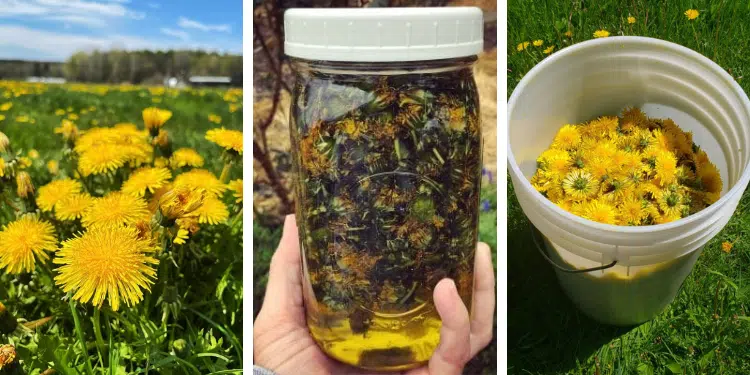
Dandelions are often pulled, tossed, and forgotten – treated as nothing more than stubborn weeds invading lawns and gardens.
But if you take a closer look, you’ll realize something surprising: dandelion flowers are one of the most useful wild resources growing right under your feet.
For centuries, people have used dandelion flowers for food, home remedies, and natural living. Today, as interest in sustainable lifestyles and foraging grows, these bright yellow blooms are being rediscovered for their versatility, accessibility, and value.
Instead of discarding them, you can turn dandelion flowers into teas, oils, food, skincare, and more – all from something that grows freely and abundantly.
Understanding the Value of Dandelion Flowers
Dandelion flowers are not just visually appealing – they are biologically rich.
They contain:
- Natural antioxidants
- Plant compounds that support overall wellness
- Vitamins such as A and C in small amounts
But beyond their composition, what makes them truly valuable is their availability and adaptability.
Unlike many herbs or specialty plants, dandelions grow almost everywhere, require no cultivation, and can be harvested repeatedly.
Their flavor is mildly sweet with a slight floral bitterness, which makes them suitable for both culinary and non-culinary uses.
How to Harvest Dandelion Flowers Properly
Before using dandelion flowers, proper harvesting is essential.
Choose flowers that are fully open and bright yellow. Closed or aging flowers tend to have a stronger bitter taste and less appealing texture.
Harvest on dry days, ideally in the late morning once any dew has evaporated. This helps preserve their quality and reduces excess moisture.
Always pick from clean areas – avoid roadsides, sprayed lawns, or areas exposed to pollution. This is one of the most important steps for safe use.
Once harvested, gently rinse the flowers and allow them to dry on a clean surface. Many recipes require removing the green base, as it can introduce bitterness, especially in food preparations.
1. Dandelion Flower Tea – A Gentle, Floral Infusion
One of the simplest and most traditional uses for dandelion flowers is tea.
When steeped in hot water, the flowers release a mild, slightly sweet flavor that is very different from the stronger taste of dandelion roots or leaves.
To prepare the tea, place fresh or dried petals in hot water and let them steep for several minutes. The longer they steep, the more pronounced the flavor becomes.
This tea is often enjoyed as a light, calming drink. It doesn’t overwhelm the palate, making it suitable for daily use.
Over time, many people incorporate it into their routine as a gentle herbal alternative to stronger teas.
2. Dandelion Infused Oil – A Base for Natural Applications
Infusing oil with dandelion flowers is one of the most practical ways to preserve their properties.
The process involves placing dried flowers into a jar and covering them with a neutral oil such as olive or almond oil. Over time, the oil absorbs the color and compounds from the flowers.
This infused oil can be used in several ways:
- As a massage oil
- As a base for homemade balms
- As a moisturizing oil for dry skin
The key is patience. Allowing the mixture to sit for one to two weeks ensures proper infusion.
Once strained, the oil becomes a versatile ingredient that can be stored and used over time.
3. Dandelion “Honey” – A Floral Syrup Alternative
One of the most popular culinary uses for dandelion flowers is making a syrup often referred to as “dandelion honey.”
This is not actual honey, but a plant-based alternative created by simmering dandelion petals in water and combining the liquid with a sweetener.
The result is a golden, aromatic syrup with a delicate floral taste.
It can be used:
- In tea
- On toast
- In desserts
This method transforms a simple flower into something that feels rich and unique, making it one of the most rewarding uses.
4. Fresh Petals in Food – Adding Color and Subtle Flavor
Dandelion petals can be used fresh to enhance meals.
Their bright yellow color adds visual appeal, while their mild sweetness complements both savory and sweet dishes.
They work well in:
- Salads
- Rice dishes
- Desserts
- Herbal spreads
Because the flavor is subtle, they blend easily without overpowering other ingredients.
Using them this way is one of the easiest ways to incorporate wild plants into everyday meals.
5. Homemade Skin Balms and Salves
Dandelion flowers are commonly used in natural skincare, particularly in balms and salves.
After creating an infused oil, it can be combined with natural wax to form a thicker product.
These balms are often used for:
- Dry skin
- Rough areas like hands and elbows
- General skin care
What makes them appealing is their simplicity. Instead of relying on synthetic ingredients, you create a product using just a few natural components.
6. Dandelion Flower Fritters – A Traditional Treat
Dandelion fritters are a classic recipe that turns flowers into a unique dish.
The flowers are dipped in batter and lightly fried, creating a crispy texture with a mild floral flavor.
While this method may seem unusual, it has been used traditionally in many regions.
The result is both decorative and edible – a combination that makes it popular among those exploring wild food recipes.
7. Relaxing Herbal Bath Additions
Adding dandelion flowers to bathwater is another way to use them at home.
The flowers release a light scent and create a more natural bathing experience.
For easier cleanup, they can be placed in a cloth bag or tied bundle before being added to the water.
This method transforms an ordinary bath into a more calming and sensory experience.
8. Drying for Year-Round Use
Drying dandelion flowers allows you to preserve them long after their growing season.
Spread the flowers in a well-ventilated area and allow them to dry completely. Once dried, they can be stored in airtight containers.
Dried flowers can be used for:
- Tea
- Oil infusions
- Bath blends
This ensures you have access to them even when they are no longer blooming.
9. Dandelion Vinegar – A Versatile Infusion
Infusing vinegar with dandelion flowers creates a product that can be used in both food and home applications.
The process is simple: add flowers to vinegar and allow the mixture to sit for several weeks.
The result is a lightly flavored vinegar that can be used in:
- Salad dressings
- Marinades
- Natural cleaning solutions
It adds a subtle floral note while maintaining the sharpness of vinegar.
10. Supporting Pollinators Before Harvesting
Before harvesting all available flowers, it’s important to consider their ecological role.
Dandelions are one of the earliest food sources for pollinators such as bees.
Leaving some flowers in place supports:
- Pollinator populations
- Garden health
- Biodiversity
A balanced approach allows you to benefit from the plant while still contributing to the ecosystem.
Why Dandelions Are Being Rediscovered
The renewed interest in dandelion flowers reflects a broader shift toward simplicity and sustainability.
People are beginning to see value in what was once ignored. Instead of relying entirely on store-bought products, they are turning to natural, accessible alternatives.
Dandelions represent:
- Resourcefulness
- Self-sufficiency
- Connection to nature
Dandelion flowers are one of the most overlooked resources in everyday life.
What many people consider a weed is actually a multi-purpose plant with a wide range of uses.