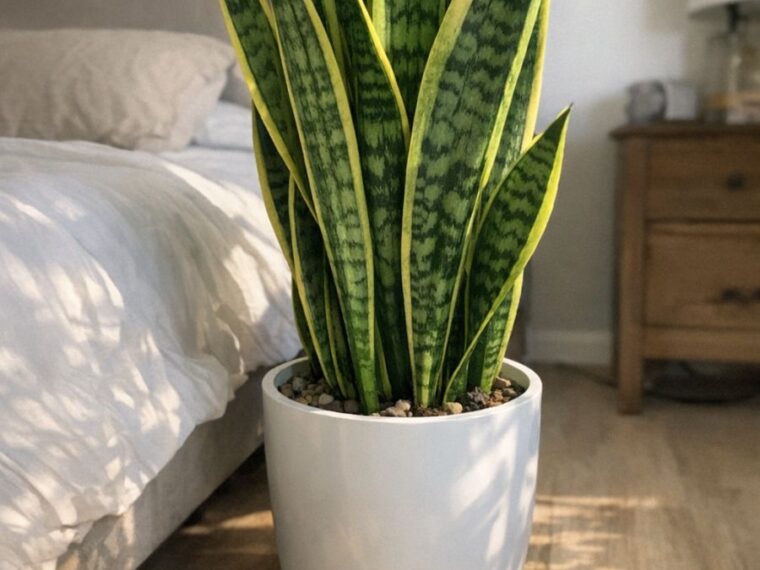
2. Why This Plant Actually Thrives on Neglect
The snake plant is part of the succulent family, which means it stores water in its leaves. This characteristic allows it to survive prolonged periods without water, making it an ideal plant for people who may forget to water their plants regularly. In fact, overwatering is one of the few ways you can harm this resilient plant, as it prefers to be on the drier side.
Another reason snake plants thrive on neglect is their slow growth rate. They don’t require frequent repotting or pruning, making them an easy addition to your home. Their ability to survive in various temperatures also means you don’t have to worry about keeping your room at a specific climate, as they can tolerate conditions between 55°F and 85°F (13°C to 29°C).
3. How Snake Plants Quietly Purify the Air While You Sleep
One of the most remarkable features of the snake plant is its ability to purify the air. It is known to remove toxins such as formaldehyde, benzene, and trichloroethylene from the air. This makes it an excellent choice for improving indoor air quality, especially in enclosed spaces like bedrooms.
Unlike most plants that release oxygen during the day, snake plants continue this process at night. This is due to a unique form of photosynthesis called Crassulacean Acid Metabolism (CAM). By releasing oxygen in the darkness, snake plants can contribute to a more refreshing and healthier sleeping environment.
4. The Science: What Studies Really Say About Bedroom Air Quality
Numerous studies have highlighted the benefits of indoor plants on air quality. A notable study by NASA found that snake plants can effectively remove pollutants and improve overall air quality. According to the study, snake plants can remove up to 87% of airborne toxins in just 24 hours, making them a powerful natural air purifier.
Research also suggests that improved air quality can enhance sleep quality. By reducing the concentration of volatile organic compounds (VOCs) and increasing oxygen levels, snake plants can help create a conducive environment for restful sleep.
5. Nighttime Oxygen Boost: Myth, Hype, or Genuine Benefit?
The idea that snake plants provide a nighttime oxygen boost is rooted in their unique photosynthetic process. While the amount of oxygen produced by a single plant might not be significant enough to drastically alter oxygen levels in a room, having multiple plants can certainly contribute to improved air quality.
It’s important to note that while the oxygen boost is a genuine benefit, it should not be overstated. The primary advantage of the snake plant lies in its ability to purify the air and remove toxins, which in turn supports a healthier sleep environment.
6. Perfect for Busy (or Forgetful) Plant Owners
For those with a busy lifestyle or who may not have a natural inclination towards plant care, the snake plant is the perfect solution. Its minimal watering needs mean you can water it once every two to three weeks, depending on the humidity and lighting conditions of your home.
The snake plant’s resilience to neglect and adaptability to various environments make it an ideal choice for anyone looking to enjoy the benefits of having plants without the burden of intensive care routines.
7. Where to Place a Snake Plant in Your Bedroom for Maximum Impact
To maximize the benefits of a snake plant in your bedroom, consider placing it in a location that receives indirect light. While it can survive in low light, placing it near a window with filtered light will encourage optimal growth.
Additionally, placing the snake plant near your bed can help ensure you reap the benefits of its air-purifying properties while you sleep. Its vertical growth habit means it takes up minimal floor space, allowing it to fit seamlessly into any room layout.
8. Choosing the Right Snake Plant Variety for Your Space
There are several varieties of snake plants to choose from, each with unique patterns and sizes. The Sansevieria trifasciata ‘Laurentii’ is a popular variety known for its tall, variegated leaves with yellow edges. Another option is the Sansevieria ‘Moonshine’, which features broader leaves with a silvery-green hue that can add a modern touch to your decor.
TO CONTINUE READING THE ARTICLE PLEASE SEE PAGE 3