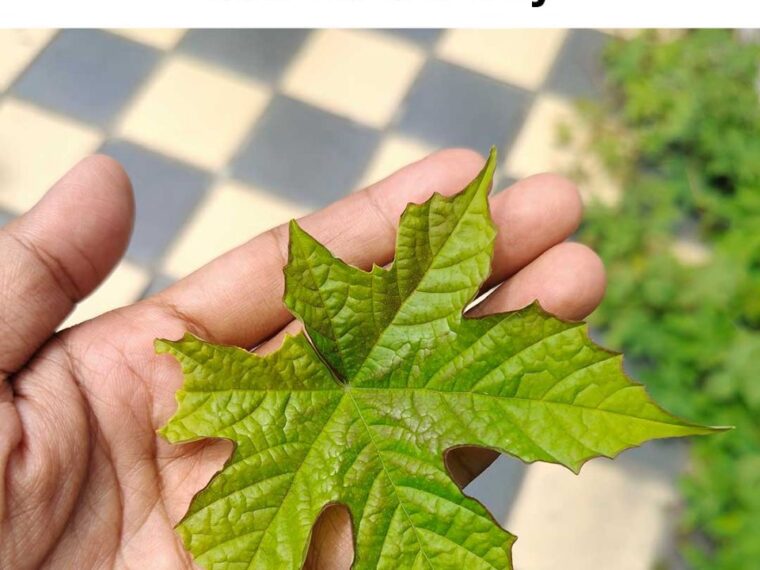
In the world of gardening, there are certain plants that are often overlooked despite their immense potential. One such plant is the castor plant, often dismissed as a mere weed or a garden nuisance. However, this plant, with its vibrant leaves and unique properties, is truly the ‘gold’ of your garden. Before you consider tossing it out, it’s worth understanding the myriad benefits it offers and why it deserves a place in your garden.
Understanding the Castor Plant
The castor plant, scientifically known as Ricinus communis, is a fast-growing perennial shrub native to Africa and the Middle East. It is characterized by its large, glossy leaves and distinctive seed pods. While the seeds are known for producing castor oil, the plant itself has a rich history in traditional medicine and agriculture. Despite its reputation, the castor plant is a resilient and versatile addition to any garden.
The Significance of Castor Leaves
Castor leaves are not just aesthetically pleasing; they play a crucial role in the plant’s ecosystem. These large, palmate leaves provide ample shade and can help retain soil moisture. Additionally, they serve as a natural habitat for beneficial insects, promoting biodiversity in your garden. The leaves are also known for their ability to absorb pollutants, making them an excellent choice for urban gardens.
Health Benefits of Castor Leaves
While the seeds of the castor plant are toxic, the leaves have been used in traditional medicine for centuries. They are known for their anti-inflammatory and analgesic properties. In some cultures, castor leaves are used to alleviate joint pain, reduce swelling, and promote wound healing. However, it’s important to consult with a healthcare professional before using them for medicinal purposes.
Environmental Benefits of Growing Castor Plants
Castor plants are not only beneficial for your garden but also for the environment. They are known for their ability to thrive in poor soil conditions, making them ideal for soil reclamation projects. Their deep root systems help prevent soil erosion, and their ability to absorb heavy metals makes them useful for phytoremediation. By growing castor plants, you contribute to a healthier and more sustainable environment.
Common Misconceptions About Castor Plants
One of the most common misconceptions about castor plants is their toxicity. While it is true that the seeds contain ricin, a potent toxin, the plant itself is safe to grow and handle with proper precautions. Another misconception is that castor plants are invasive. In reality, with proper care and management, they can be a controlled and beneficial part of your garden ecosystem.
How to Cultivate and Care for Castor Plants
Cultivating castor plants is relatively straightforward. They prefer well-drained soil and a sunny location. Regular watering and occasional fertilization will ensure healthy growth. It’s important to prune the plant to prevent it from becoming too large and to remove any seed pods to avoid accidental ingestion. With minimal effort, you can enjoy the benefits of this remarkable plant.
Creative Uses for Castor Leaves in Your Garden
Castor leaves can be used creatively in your garden to enhance its aesthetic appeal. Their large size and unique shape make them perfect for creating natural shade or as a backdrop for smaller plants. You can also use them as mulch to retain soil moisture and suppress weeds. Additionally, they can be incorporated into garden art or used as natural compost material.
Conclusion: Embracing the Value of Castor Plants
In conclusion, the castor plant is truly the ‘gold’ of your garden, offering a range of benefits that extend beyond its initial appearance. From its environmental contributions to its potential health benefits, this plant deserves recognition and appreciation. By understanding and embracing the value of castor plants, you can enhance your garden’s beauty and sustainability while contributing positively to the environment.