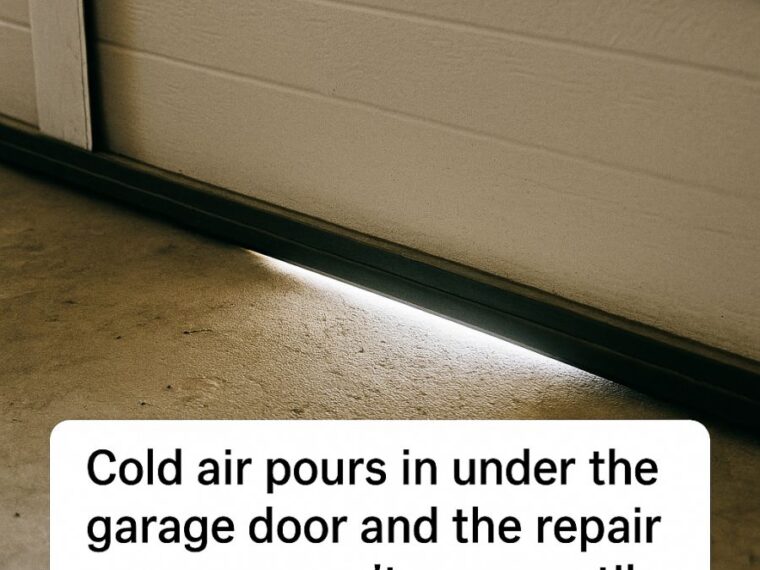
Cold Air Pours in Under the Garage Door and the Repair Company Can’t Come Until After New Year. What Can I Do Now?
Introduction
As temperatures plummet and winter takes full hold, a drafty garage can become a significant issue. Cold air seeping under the garage door can not only make the garage uncomfortably chilly but also impact the heating efficiency of your entire home. With the repair company unavailable until after the New Year, finding temporary solutions becomes essential to maintaining a comfortable environment.
Fortunately, several do-it-yourself methods can help you mitigate the cold air intrusion until professional help is available. From identifying the source of the draft to implementing creative temporary fixes, here are some practical steps you can take to keep the cold air at bay.
1. Figure Out Where the Cold Air Is Really Coming From
Before addressing the problem, it’s crucial to identify all the sources of the cold air. Check the door bottom, sides, and top for gaps or worn-out seals. Use a flashlight or candle to detect air movement; if the flame flickers or the light shows through gaps, you’ve found a problem area. Measure the width of the gap using a ruler or measuring tape to determine the extent of the issue.
Consider the overall condition of the garage door. Inspect for any warping or misalignment that might contribute to larger gaps. Understanding precisely where the air is coming in will help you target your temporary fixes more effectively.
2. Use Temporary Weatherstripping Tape Along the Bottom Edge
Weatherstripping tape is an affordable and easy solution to temporarily seal gaps under the garage door. Available at most hardware stores, this tape can be applied directly to the bottom edge of the door to cover small gaps. Cut the tape to the length of the door, and press it firmly along the bottom edge to ensure a tight seal.
This temporary fix can significantly reduce the amount of cold air entering the garage. Just remember that this solution may not last long under constant exposure to moisture and temperature changes, so check the tape regularly and replace it as needed.
3. Create a DIY Draft Stopper With Pool Noodles or Pipe Insulation
A simple and cost-effective way to block drafts is by using pool noodles or pipe insulation as draft stoppers. Cut the noodle or insulation to fit the width of your garage door. Then, slice it lengthwise and fit it snugly along the bottom of the door. Secure it in place with duct tape or zip ties.
This method provides an immediate barrier against cold air and can be particularly effective if the gap under your door is uniform. It’s also an excellent way to repurpose materials you may already have at home.
4. Lay Down Old Rugs, Towels, or Blankets as an Instant Cold Barrier
If you don’t have weatherstripping tape or pool noodles on hand, laying down old rugs, towels, or blankets can serve as a quick fix. Roll them up and place them along the bottom edge of the garage door to cover any gaps.
This approach is not only cost-effective but also allows for easy adjustments. If you notice any cold spots, simply rearrange or add more fabric to enhance the barrier. While this method won’t completely stop the draft, it can significantly reduce the amount of cold air entering the space.
5. Build a Cardboard or Plywood Threshold to Block the Gap
For a more robust temporary solution, consider constructing a threshold using cardboard or plywood. Measure the width of the gap and cut a piece of cardboard or plywood to fit. Attach it to the floor directly in front of the garage door using heavy-duty tape or adhesive.
This makeshift threshold will help block drafts while providing a sturdier barrier than fabric alone. Remember, this is a temporary fix, so ensure that the materials you’re using can withstand moisture and temperature changes until professional repairs can be made.
6. Add Plastic Sheeting or a Tarp as an Interior Wind Break
Plastic sheeting or tarps can be used inside the garage as an additional windbreak. Hang the material from the ceiling to the floor, creating a secondary barrier behind the garage door. Use nails or adhesive hooks to secure the top edge and weights or tape to hold the bottom in place.
This method is particularly useful if your garage doubles as a workshop or storage area that needs to stay warmer. The plastic or tarp acts as an insulating layer, reducing airflow and keeping the interior space more comfortable.
7. Seal Side and Top Gaps With Painter’s Tape and Foam Strips
If your garage door has gaps along the sides or top, use painter’s tape and foam strips to create a temporary seal. Apply the foam strips along the edges of the door frame, pressing them tightly against the door when closed. Use painter’s tape to secure the foam in place and create an airtight seal.
This quick fix can help reduce drafts entering from the door’s perimeter. While not a permanent solution, it can significantly reduce airflow until more comprehensive repairs are possible.
8. Insulate the Garage Door Panels With Foam Board or Reflective Wrap
Enhancing the insulation of the garage door itself can make a noticeable difference in temperature control. Cut foam board or reflective wrap to fit inside the panels of the garage door. Secure them in place with adhesive or double-sided tape.
This added layer of insulation will help keep the cold air out and the warmth in, improving the overall energy efficiency of your garage. It’s a straightforward project that can be completed with materials from your local hardware store.
9. Space Heater Safety: How to Warm the Garage Without Risk
If you choose to use a space heater in your garage, prioritize safety. Ensure the space heater is placed on a stable, non-flammable surface and is kept away from any materials that could catch fire. Use a model with an automatic shut-off feature in case it tips over.
Never leave a space heater unattended, and always follow the manufacturer’s guidelines. While a space heater can provide much-needed warmth, it should be used with caution to prevent any accidents or hazards.
10. Close Off the House-Garage Door to Protect Your Indoor Heat
To prevent cold air from seeping into your home, close and seal the door between your garage and living space. Use a door draft stopper or rubber weatherstripping to create a tight seal. This will help maintain your home’s internal temperature and reduce heating costs.
Additionally, consider adding an extra layer of insulation to this door, such as a heavy curtain or blanket, to further block any drafts that may attempt to creep in.
11. Quick Fixes for a Damaged or Crumbling Bottom Seal
If the bottom seal of your garage door is damaged, consider a temporary patch using duct tape or adhesive sealant. Clean the area thoroughly before applying the patch to ensure it adheres properly.
Alternatively, if you have access to a replacement seal, you can attempt a DIY replacement. Remove the old seal and slide the new one into place, securing it with screws or adhesive as needed. This can provide a more durable temporary solution until professional repairs are possible.
12. When to Call in a Pro and What to Ask Before They Arrive
While these temporary solutions can help mitigate cold drafts, it’s important to schedule professional repairs as soon as possible. When contacting a repair company, inquire about their availability, the cost of replacement parts, and whether they offer any warranty on their work.
Prepare a list of questions regarding the specific issues with your garage door, and provide as much detail as possible to ensure the technician comes prepared. This will help streamline the repair process once the company is available, ensuring that your garage is properly sealed and insulated for the remainder of the winter.