Baking soda, or sodium bicarbonate, is one of the most versatile, inexpensive, and underappreciated tools a gardener can use.
While most people associate it with baking or cleaning, baking soda offers a wide range of practical uses in the garden—from natural pest control to soil improvement and even deodorizing compost bins.
Its mild alkalinity and gentle abrasive nature make it ideal for tackling a variety of garden tasks without resorting to harsh chemicals or synthetic treatments.
Whether you’re trying to grow healthier plants, keep pests at bay, or boost your harvest without spending a fortune, baking soda deserves a permanent spot in your gardening toolkit.
Here’s a detailed look at 14 incredibly useful ways to use baking soda in the garden.
1. Use Baking Soda to Test Soil pH
Healthy soil is the foundation of a thriving garden. One of the first steps in understanding your garden’s needs is to test its pH level. Baking soda can help you determine whether your soil is acidic.
To test, take a small amount of damp soil from your garden and place it in a container. Add a few tablespoons of baking soda.
If the mixture fizzes, your soil is acidic (with a pH lower than 7). If there’s no reaction, the soil is likely neutral or alkaline.
While this is not a precise scientific test, it’s a helpful and quick way to get a general sense of your soil’s composition.
2. Natural Fungicide for Powdery Mildew
Powdery mildew is a common fungal disease that affects everything from cucumbers and squash to roses and zinnias. Baking soda can help treat and prevent this unsightly white coating on leaves.
Mix 1 tablespoon of baking soda with 1/2 teaspoon of liquid soap (not detergent) and 1 gallon of water. Spray this solution directly onto affected leaves weekly, especially during humid or wet weather.
The baking soda alters the pH of the leaf surface, making it less hospitable to fungal growth.
3. Kill Weeds in Sidewalk and Driveway Cracks
Baking soda can be an effective, non-toxic weed killer for hard surfaces like sidewalks, driveways, and patio cracks. Simply sprinkle baking soda generously into the cracks where weeds are growing.
The sodium content dries out the foliage, eventually killing the plant. This method is best suited for areas where you don’t want any vegetation to grow at all, as baking soda can affect nearby desirable plants if overused.
4. Pest Control for Cabbage Worms and Slugs
If cabbage worms or slugs are eating holes in your leafy greens, baking soda can offer relief. Mix equal parts baking soda and flour and dust the mixture directly onto your cabbage, broccoli, kale, or other leafy vegetables.
The flour acts as a carrier and sticks to the leaves, while the baking soda disrupts the digestive systems of pests when ingested.
This simple, chemical-free remedy helps keep your greens intact.
5. Control Black Spot on Roses
Black spot is another fungal disease that commonly affects roses. It appears as dark patches on the leaves, eventually causing them to drop prematurely.
You can prevent and treat black spot using a baking soda solution similar to the mildew treatment.
Combine 1 tablespoon of baking soda, 1/2 teaspoon of liquid soap, and 1 gallon of water. Spray it on your rose bushes weekly.
This mixture creates an environment on the leaf surfaces that deters fungus and promotes healthier growth.
6. Sweeten the Taste of Tomatoes
Some gardeners claim that baking soda can help produce sweeter tomatoes by reducing soil acidity.
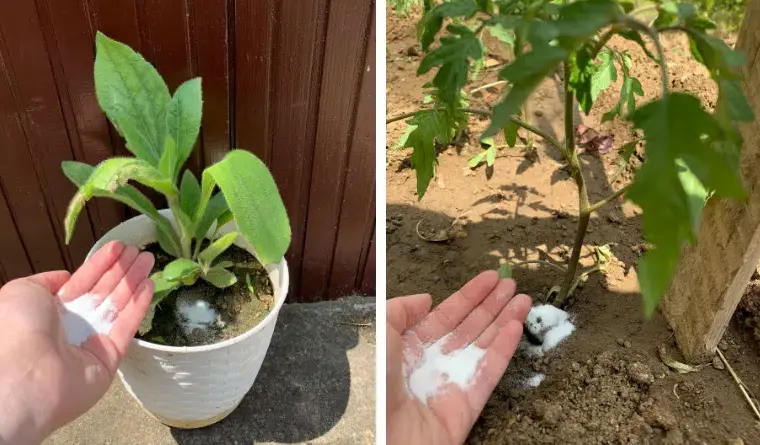
If your soil tends to be overly acidic, sprinkle a small amount of baking soda at the base of your tomato plants—not on the leaves—and water it in lightly.
The baking soda slowly neutralizes acidity around the roots, leading to milder, sweeter tomatoes. Use this trick sparingly, as too much alkalinity can also affect plant health.
7. Deodorize Your Compost Bin
Compost bins are essential for sustainable gardening, but they can produce unpleasant odors, especially when filled with food scraps.
Baking soda acts as a natural deodorizer without disrupting the composting process.
Sprinkle a handful of baking soda into your compost bin once a week to help neutralize acidic odors and maintain a better balance between green and brown materials.
8. Clean Garden Tools Naturally
Over time, garden tools accumulate sap, dirt, and rust, which can reduce their effectiveness and spread plant diseases. Baking soda works as a gentle yet effective abrasive to scrub your tools clean.
Mix baking soda with a bit of water to form a paste and use it to clean shovels, pruners, trowels, and pots.
Rinse thoroughly and dry to prevent rust. For extra cleaning power, add a splash of vinegar.
9. Freshen Up Garden Furniture and Pots
Outdoor furniture, planters, and ceramic pots can develop mildew and stains over time. Baking soda can help you freshen them up without using harsh cleaners.
Make a paste with baking soda and water, apply it to the surface with a sponge, and scrub gently.
Rinse thoroughly. For deep stains, let the paste sit for a few minutes before scrubbing.
10. Remove Mildew from Greenhouse Plastic and Glass
If you use a greenhouse or cold frame, you may notice mildew or algae buildup on the interior surfaces. Baking soda can be used to clean and disinfect these areas without harming plants.
Dissolve a few tablespoons of baking soda in warm water and use a sponge or cloth to wipe down the plastic or glass panels. This removes grime while leaving the surfaces safe for sunlight transmission.
11. Keep Cut Flowers Fresher Longer
You can extend the life of your cut flowers using baking soda. Add a pinch of baking soda along with a teaspoon of sugar to the vase water.
The sugar feeds the flowers, while the baking soda helps neutralize bacteria growth that causes cloudy water and shortened bloom life.
Replace the water every few days, and re-add the mix to keep your bouquet looking fresh.
12. Keep Ants Away from Garden Beds
Ants can be both a nuisance and a threat to young plants, particularly when they farm aphids. Baking soda is an effective and safe way to deter ants from your garden.
Sprinkle a mixture of baking soda and powdered sugar (equal parts) near anthills or along ant trails.
The sugar attracts them, and the baking soda disrupts their digestive systems when ingested. Use this method carefully, and avoid placing it directly near food crops.
13. Clean Birdbaths Without Harsh Chemicals
Birdbaths attract helpful wildlife to your garden, but they can also become breeding grounds for algae and bacteria. Instead of using bleach or synthetic cleaners, use baking soda to scrub them clean.
Sprinkle baking soda into the dry birdbath, add a little water, and scrub with a brush. Rinse thoroughly with fresh water before refilling to make it safe for birds.
14. Deodorize Garden Gloves and Shoes
Gardening can get sweaty, especially during hot summer months. If your gloves or shoes start to smell unpleasant, baking soda can help absorb moisture and odors.
Sprinkle baking soda inside gardening gloves, boots, or shoes after use. Let them sit overnight, then shake out the excess before wearing them again. This helps keep gear fresh and wearable longer.
Baking soda is a humble household ingredient with powerful applications in the garden.
Whether you’re fighting pests, cleaning tools, freshening compost, or simply looking for a safer, more sustainable way to maintain your garden, baking soda can help.
It’s affordable, non-toxic, and easy to find, making it a go-to solution for organic and low-impact gardeners.
With these 14 clever uses, you can simplify your gardening routine while boosting plant health and improving your outdoor space—all without the need for harsh chemicals or expensive solutions.
Keep a box of baking soda in your shed or garden tote. Over time, you’ll find it’s not just a baking staple, but one of your most reliable gardening allies.