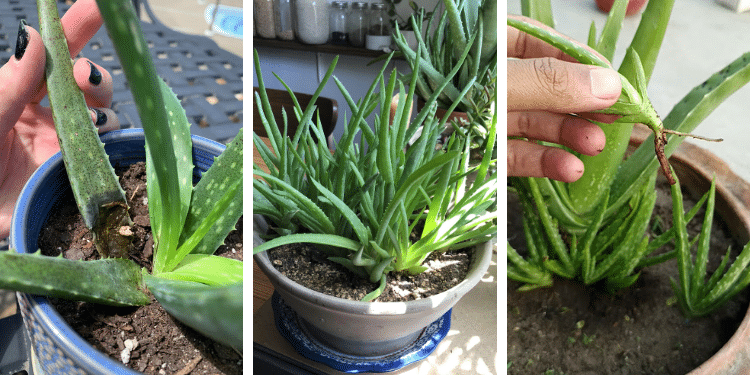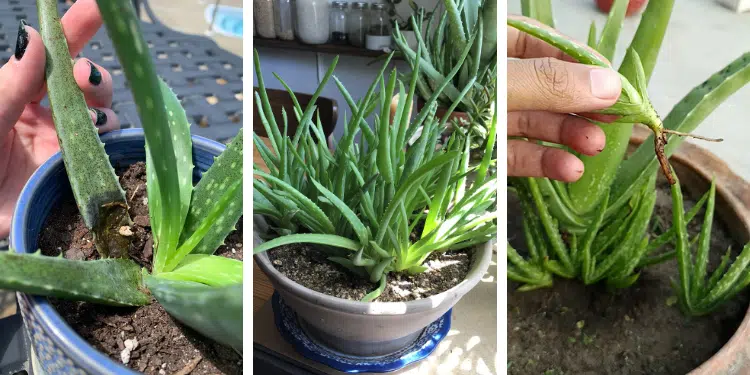
Aloe vera is famous for being tough, forgiving, and low-maintenance – but January is a month when even hardy plants need thoughtful care.
During winter, aloe vera enters a slow-growth or semi-dormant phase, and what you do (or don’t do) now directly affects how strong, full, and healthy the plant will be in spring.
Many aloe problems – soft leaves, rot, stalled growth, or discoloration – start in winter, often because people treat aloe the same way year-round.
January care isn’t about pushing growth; it’s about protecting roots, conserving energy, and preventing hidden stress.
Here’s exactly what to do – and what to avoid – to keep your aloe vera thriving through winter.
Why January Care Is Critical for Aloe Vera
Aloe vera is a succulent adapted to warm, bright, dry environments.
In January, shorter daylight hours, cooler temperatures, and indoor heating create conditions very different from its natural habitat.
During this time:
- water uptake slows
- root activity decreases
- leaf growth nearly pauses
Improper care now can lead to problems that don’t show up until weeks later. Good January habits keep aloe stable so it can rebound quickly when light and warmth return.
6 Things to Do for Healthy Aloe Vera in January
1. Water Very Sparingly (Less Is More)
Overwatering is the most common winter mistake with aloe vera. In January, aloe uses very little water, and wet soil stays cold longer – creating ideal conditions for root rot.
A healthy winter watering routine means:
- allowing soil to dry out completely
- watering deeply but infrequently
- emptying saucers immediately
In most homes, aloe only needs water every 3–4 weeks in January. Always check soil several inches deep before watering.
2. Give It the Brightest Indirect Light Possible
Aloe vera loves light – even in winter. While it can tolerate lower light temporarily, prolonged darkness weakens leaves and slows recovery.
In January, place aloe:
- near a bright window
- where it receives indirect sunlight
- away from cold glass contact
South- or west-facing windows are ideal if direct sun is filtered. Bright light helps aloe maintain leaf firmness and color through winter.
3. Keep Temperatures Stable and Warm
Aloe vera prefers warmth, even during dormancy. Cold stress is a major cause of leaf damage in winter.
Ideal January conditions:
- daytime temperatures above 60°F (15°C)
- no cold drafts
- no sudden temperature drops at night
Avoid placing aloe near:
- exterior doors
- drafty windows
- unheated rooms
Stable warmth keeps cellular processes functioning properly.
4. Use Well-Draining Soil and a Drainage Pot
If your aloe is still in heavy or moisture-retentive soil, January is when problems show up. Aloe roots need air as much as they need dryness.
Ensure:
- fast-draining cactus or succulent soil
- a pot with drainage holes
- no standing water at the base
Good drainage is more important than watering frequency in winter.
5. Clean Leaves to Improve Light Absorption
Dust builds up faster in winter due to closed windows and heating systems. Dust blocks light, which aloe depends on during short days.
In January:
- gently wipe leaves with a damp cloth
- remove debris from leaf bases
- inspect for pests or soft spots
Clean leaves photosynthesize more efficiently, helping aloe conserve energy.
6. Let the Plant Rest (No Forcing Growth)
January is not a growth month for aloe vera. The healthiest habit is allowing it to rest naturally.
This means:
- no repotting
- no propagation
- no fertilizer
- no frequent moving
A resting aloe builds strength internally, setting the stage for strong spring growth.
3 Things to Avoid in January (These Cause Most Problems)
1. Avoid Fertilizing
Fertilizer during winter does not help aloe grow – it harms it. With slowed root activity, nutrients accumulate in the soil and can burn roots.
Fertilizing in January often causes:
- weak, stretched leaves
- root damage
- salt buildup
Wait until late spring or early summer when active growth resumes.
2. Avoid Cold Shock and Drafts
Cold air exposure – even briefly – can cause aloe leaves to:
- turn brown or translucent
- soften at the base
- collapse days later
Never place aloe near cold windows, open doors, or uninsulated spaces. Cold damage is often irreversible.
3. Avoid Overhandling and Repotting
Aloe vera dislikes disturbance during dormancy. Repotting in January stresses roots and slows recovery.
Only repot if:
- the pot is broken
- roots are actively rotting
- soil is completely unsuitable
Otherwise, wait until warmer months.
Signs Your Aloe Vera Is Healthy in January
A healthy winter aloe may not grow, but it will show:
- firm, upright leaves
- consistent green color
- no mushy or translucent areas
- stable posture
Lack of new growth is normal. Strength comes first – growth follows later.
Common January Aloe Problems and What They Mean
- Soft, drooping leaves → overwatering or cold stress
- Brown or black spots → cold damage or rot
- Wrinkled leaves → prolonged dryness (rare but possible)
- Pale color → insufficient light
Most winter issues are environmental, not disease-related.
How January Care Affects Aloe Growth in Spring
Aloe vera that is cared for properly in January:
- grows faster in spring
- produces thicker, juicier leaves
- resists pests and rot
- maintains better shape
Winter habits quietly determine long-term plant health.
January is not the time to do more for your aloe vera – it’s the time to do less, but do it right.
By watering sparingly, maximizing light, keeping temperatures stable, avoiding fertilizer, and letting the plant rest, you protect aloe during its most vulnerable period.