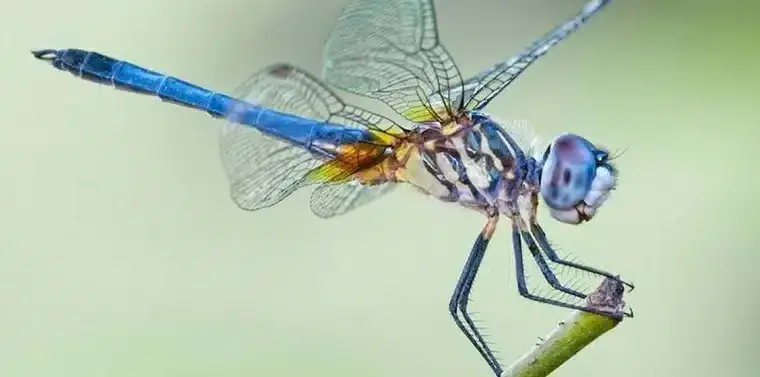
Dragonflies are not only fascinating creatures to watch as they dart and hover around your yard, but they are also nature’s pest control experts.
A single dragonfly can consume hundreds of mosquitoes per day, making them a valuable ally in the fight against these pesky and potentially disease-carrying insects.
If you’re looking to reduce the mosquito population in your yard naturally, attracting dragonflies is an excellent strategy.
In this article, we’ll explore how dragonflies help control mosquitoes, the plants that attract them, and other tips to create a dragonfly-friendly environment.
Why Dragonflies Are Nature’s Mosquito Control
Dragonflies are voracious predators, both in their larval and adult stages. They are known to eat mosquitoes, gnats, flies, and other small insects, making them a natural and eco-friendly solution for pest control. Here’s why dragonflies are so effective:
- High Appetite for Mosquitoes: A single dragonfly can eat anywhere from 30 to hundreds of mosquitoes in a single day. Their diet primarily consists of small flying insects, and mosquitoes are a favorite.
- Larvae Are Equally Effective: Dragonfly larvae, also known as nymphs, live in water and feed on mosquito larvae, preventing them from maturing into adults.
- Eco-Friendly Pest Control: Unlike chemical insecticides, dragonflies do not harm the environment or other beneficial insects like bees and butterflies.
By attracting dragonflies to your yard, you can significantly reduce the mosquito population without resorting to harmful chemicals.
How to Attract Dragonflies to Your Yard
Dragonflies are attracted to environments that provide food, water, and shelter. Here are the key steps to create a dragonfly-friendly yard:
1. Add a Water Feature
Dragonflies spend most of their lives near water, as they lay their eggs in aquatic environments. Adding a water feature to your yard is the most effective way to attract them. Consider the following options:
- Ponds: A small garden pond with shallow edges is ideal for dragonflies. They prefer still or slow-moving water where they can lay their eggs.
- Water Gardens: Incorporate aquatic plants like water lilies and cattails to create a natural habitat.
- Birdbaths or Fountains: While not as effective as ponds, these can still attract dragonflies if placed strategically.
Ensure the water is clean and free of chemicals, as dragonflies are sensitive to pollution.
2. Plant Dragonfly-Friendly Plants
Certain plants attract dragonflies by providing perching spots, shelter, and attracting their prey. Here are some of the best plants to include in your yard:
Aquatic Plants for Water Features
- Water Lilies (Nymphaea spp.): These provide resting spots for dragonflies and attract insects they feed on.
- Cattails (Typha spp.): These tall plants offer shelter and are commonly found in dragonfly habitats.
- Pickerelweed (Pontederia cordata): This plant thrives in shallow water and attracts dragonflies with its vibrant flowers.
Marginal Plants for Pond Edges
- Blue Flag Iris (Iris versicolor): This plant grows well in wet soil and adds beauty to your pond while attracting dragonflies.
- Arrowhead (Sagittaria latifolia): Known for its arrow-shaped leaves, this plant provides excellent cover for dragonfly larvae.
Garden Plants for Shelter and Perching
- Black-Eyed Susan (Rudbeckia hirta): These bright flowers attract small insects, which in turn attract dragonflies.
- Joe-Pye Weed (Eutrochium purpureum): This tall plant provides perching spots and attracts pollinators.
- Milkweed (Asclepias spp.): While known for attracting monarch butterflies, milkweed also draws in dragonflies.
- Yarrow (Achillea millefolium): Its flat-topped flowers are perfect for dragonflies to rest on.
3. Avoid Pesticides
Chemical pesticides can harm dragonflies and other beneficial insects. Opt for natural pest control methods to maintain a healthy ecosystem in your yard.
4. Provide Sunlight and Shelter
Dragonflies are cold-blooded and need sunlight to warm up. Ensure your yard has sunny spots where they can bask. Additionally, include tall grasses, shrubs, and trees for shelter and perching.
5. Create a Diverse Habitat
A diverse yard with a mix of water features, plants, and open spaces will attract a variety of insects, providing ample food for dragonflies.
The Life Cycle of Dragonflies
Understanding the life cycle of dragonflies can help you create a more inviting environment for them. Dragonflies undergo incomplete metamorphosis, meaning they do not have a pupal stage. Their life cycle consists of three stages:
- Egg: Female dragonflies lay their eggs in or near water. The eggs hatch into nymphs within a few weeks.
- Nymph: Dragonfly nymphs live underwater and are fierce predators, feeding on mosquito larvae and other small aquatic creatures. This stage can last from a few months to several years, depending on the species.
- Adult: After emerging from the water, adult dragonflies live for a few weeks to a few months. During this time, they mate and lay eggs, continuing the cycle.
By providing a suitable habitat for all stages of their life cycle, you can ensure a steady population of dragonflies in your yard.
Benefits of Attracting Dragonflies
Beyond mosquito control, attracting dragonflies to your yard offers several benefits:
- Natural Pest Control: Dragonflies help control not only mosquitoes but also other pests like flies and gnats.
- Pollination: While not as effective as bees, dragonflies do contribute to pollination as they move from plant to plant.
- Biodiversity: A yard that attracts dragonflies is likely to support a diverse range of wildlife, including birds, frogs, and beneficial insects.
- Aesthetic Appeal: Dragonflies are beautiful and fascinating to watch, adding a touch of magic to your outdoor space.
Frequently Asked Questions (FAQs)
1. How long do dragonflies live?
Dragonflies spend most of their lives as nymphs in water, which can last from a few months to several years. As adults, they typically live for a few weeks to a few months.
2. Do dragonflies bite or sting?
No, dragonflies do not bite or sting humans. They are harmless and focus their hunting efforts on small insects.
3. Can I buy dragonflies to release in my yard?
While it is possible to purchase dragonfly larvae online, it’s more effective and sustainable to create a habitat that attracts them naturally.
4. What other insects do dragonflies eat?
Dragonflies feed on a variety of small flying insects, including mosquitoes, flies, gnats, and even other dragonflies.
5. How can I tell if dragonflies are living in my yard?
Look for dragonfly nymphs in your water feature or adult dragonflies hovering around plants and water sources.
Attracting dragonflies to your yard is a simple and effective way to control mosquitoes and other pests naturally.
By adding a water feature, planting dragonfly-friendly plants, and avoiding pesticides, you can create an inviting habitat for these beneficial insects