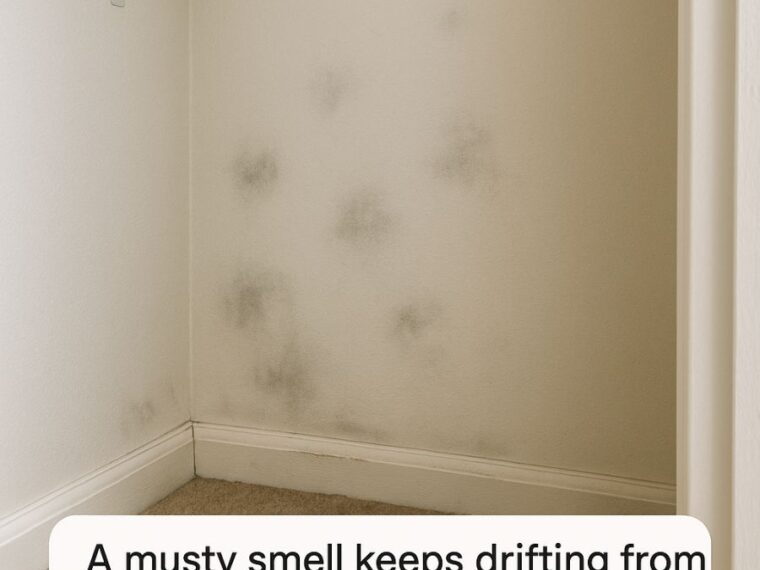
Discovering a musty smell emanating from your hallway closet can be both puzzling and concerning. While it may not seem like a significant issue at first, persistent odors can often be indicative of underlying problems. With your contractor unavailable until January, it’s essential to take some preliminary steps on your own to identify potential causes and rule out serious concerns. This guide will walk you through a series of steps to help you investigate and address the musty smell in your hallway closet.
While professional assistance is always recommended for complex issues, especially those involving structural or water damage, there are several checks you can perform safely and efficiently. By methodically ruling out different possibilities, you can not only reassure yourself but also prepare valuable information for your contractor when they return. Let’s dive into the various strategies and examinations you can conduct to get to the bottom of the mystery smell.
1. Start With Safety: What a Musty Smell Usually Is (And Isn’t)
A musty smell often points to dampness and the potential presence of mold or mildew. These fungi thrive in moist environments and can release volatile organic compounds (VOCs) that cause the characteristic musty odor. It’s crucial to remember that while musty smells can be unpleasant, they don’t always signify a severe problem. However, prolonged exposure to mold can pose health risks, especially for individuals with respiratory issues or allergies.
Before diving into investigations, ensure that you protect yourself. Wear a mask and gloves if you suspect mold, and keep the area well-ventilated during your checks. Remember, mold isn’t always visible; it can hide behind walls, under floors, or within fabrics.
2. Quick Red-Flag Check: When to Stop and Call an Emergency Pro
While this guide aims to help you rule out minor issues, certain signs should prompt you to call an emergency professional immediately. These include visible black mold, which can be toxic, or any structural damage, such as sagging ceilings or warped floors, that indicates severe water damage. Another red flag is the presence of a strong, persistent smell of sewage or gas, which could suggest a plumbing or gas line issue.
If you notice any of these signs, evacuate the area and contact a professional as soon as possible. Do not attempt to handle toxic mold or structural repairs on your own, as these require specialized expertise and equipment.
3. The Door Test: Is It Just Stale, Trapped Air?
Sometimes, a musty smell can be attributed to stale air trapped in a confined space. To test this, open the closet door wide and let it ventilate for a few hours. Use a fan to circulate air, and check if the smell dissipates significantly. If the odor reduces substantially, the issue might be as simple as insufficient ventilation.
Consider leaving the closet door open more frequently or installing a louvered door to improve airflow. Additionally, removing any clutter that blocks air movement can help keep the space fresh.
4. Hidden Moisture Buildup: Feeling for Dampness You Can’t See
Moisture buildup is a common cause of musty odors, often occurring in areas you can’t easily see. To check for hidden moisture, use your hands to feel around the walls, ceiling, and floor of the closet. Pay special attention to corners and seams where moisture might collect.
If you detect dampness, use a moisture meter to get a more accurate reading. Moisture levels above 15% in wood or drywall could indicate a problem. In such cases, try to identify the source of the moisture, such as leaks, poor ventilation, or condensation.
5. Baseboards and Flooring: Ruling Out Leaks Underfoot
Inspect the baseboards and flooring for signs of water damage, such as discoloration, warping, or soft spots. These can indicate leaks from plumbing or external sources. Use a flashlight to examine these areas closely, as subtle changes in texture or color can be easy to overlook.
If you discover signs of a leak, trace it back to its source if possible. Check nearby plumbing fixtures or appliances for drips or condensation. While you may not be able to fix the leak yourself, identifying its location will be valuable information for your contractor.
6. Ceiling and Adjacent Walls: Is the Smell Sneaking In From Elsewhere?
Sometimes, the odor may not originate in the closet but could be migrating from adjacent areas. Check the ceiling and walls surrounding the closet for signs of water damage or mold. Look for stains, peeling paint, or bubbling plaster, which can indicate moisture intrusion from above or next door.
If the closet shares a wall with a bathroom, kitchen, or laundry area, these rooms are prime suspects for leaks or humidity problems. Investigate these spaces for water issues that might be affecting the closet indirectly.
7. Shelves, Boxes, and Fabric: Checking for Moldy Storage, Not Structural Damage
The contents of your closet might be the source of the musty smell. Inspect shelves, boxes, and any stored items for mold or mildew. Fabric items, such as clothing or linens, are particularly susceptible to mold growth in humid conditions.
Remove all items from the closet and clean them thoroughly. Wash or dry-clean fabrics, and wipe down hard surfaces with a mold-killing solution. This step not only addresses the smell but also helps preserve your belongings.
8. The Ventilation Experiment: Fan, Dehumidifier, and Open-Door Hacks
Improving airflow and reducing humidity can help eliminate musty odors. Set up a fan to blow fresh air into the closet and use a dehumidifier to reduce moisture levels. Aim for a relative humidity of 30-50%, which is ideal for preventing mold growth.
If the closet lacks a vent, consider keeping the door open more often or installing a small fan to circulate air. These simple hacks can make a significant difference in maintaining a fresh-smelling environment.
9. HVAC and Ducts: Could the Closet Be Amplifying a Housewide Odor?
Sometimes, the musty smell in your closet could be a symptom of a broader issue with your home’s HVAC system or ductwork. Check if other areas in your house also have a similar odor. If so, inspect your HVAC filters and ducts for dust, mold, or other debris that might be circulating musty air.
Changing air filters regularly and scheduling professional duct cleaning can help mitigate this problem. If the HVAC system is the culprit, addressing it will improve air quality throughout your home, including the closet.
10. Water Sources Above and Around: Bathrooms, Kitchens, and Roof Lines
Investigate any water sources located above or around the closet. Bathrooms, kitchens, and rooflines are common origins for leaks that can affect adjacent spaces. Check for dripping pipes, clogged drains, or roof leaks that might be causing moisture to seep into the closet.
Perform a visual inspection of these areas, and if you find any signs of leakage or excessive moisture, take measures to contain the problem until your contractor can address it. Temporary fixes, like sealing small leaks or redirecting water flow, can prevent further damage in the meantime.
11. Viral Cleaning Hacks That Help (And Those That Only Mask the Problem)
Many viral cleaning hacks promise quick fixes for musty odors, but not all are effective long-term solutions. Baking soda and white vinegar can help neutralize odors naturally and are safe for most cleaning tasks. Sprinkling baking soda on carpets or upholstery and vacuuming it up after a few hours can absorb smells, while vinegar can be used to wipe down surfaces.
Avoid using air fresheners or potpourri that only mask the smell without addressing its source. Similarly, be cautious with essential oils, as they might cause allergic reactions or interact with existing mold, making the problem worse.
12. When It’s Probably Not Serious: Signs You Can Safely Monitor Until January
If the musty odor is faint and shows no signs of worsening, it may not be a serious issue. Minor smells often result from normal fluctuations in humidity or temporary conditions. As long as there are no visible signs of mold growth or structural damage, it’s likely safe to monitor the situation until your contractor returns.
Keep an eye on the closet’s condition, airing it out regularly, and using a dehumidifier if necessary. If the odor persists or worsens, document any changes or new developments to provide your contractor with detailed information for their assessment in January.